
Bring Back the Shine: Natural Stone Floor Restoration in Chester
Natural stone floor restoration in Chester to renew dull, worn, or scratched surfaces. Skilled local care for your home. Call to schedule your service.
Google Reviews
Scroll to read all 9 reviews →
“Great work and even better customer service. Very professional, easy to work with, and you can tell they take pride in what they do. Definitely recommend Precision Floor & Surface Restoration if you need your floors or countertops brought back to life.”★★★★★
“Absolutely amazing work! From start to finish, everything was handled professionally and with great attention to detail. They took the time to make sure everything was done right, and the results speak for themselves. The floors and surfaces came out looking incredible, and you can tell they genuinely take pride in their work. I couldn’t be happier with the finished product and would definitely recommend them to anyone looking for quality work and great service. Five stars all the way! ⭐⭐⭐⭐⭐”★★★★★
“Precision Floor & Surface Restoration exceeded my expectations! Professional, punctual, and detail-oriented from start to finish. My floors look amazing, and the quality of work was outstanding. Highly recommend to anyone looking for top-notch floor and surface restoration services.”★★★★★
“Removed stains that previous cleaning services could not. Made the impossible - possible!”★★★★★
“Great quality work! Very professional with communication!!”★★★★★
“Clean and very professional. Highly recommend”★★★★★
“I highly recommend his floor cleaning services! He’s reliable, professional, and does an excellent job. My floors looked amazing, and I couldn’t be happier with the results.”★★★★★ ★★★★★
Signs Your Natural Stone Floor Needs Restoration
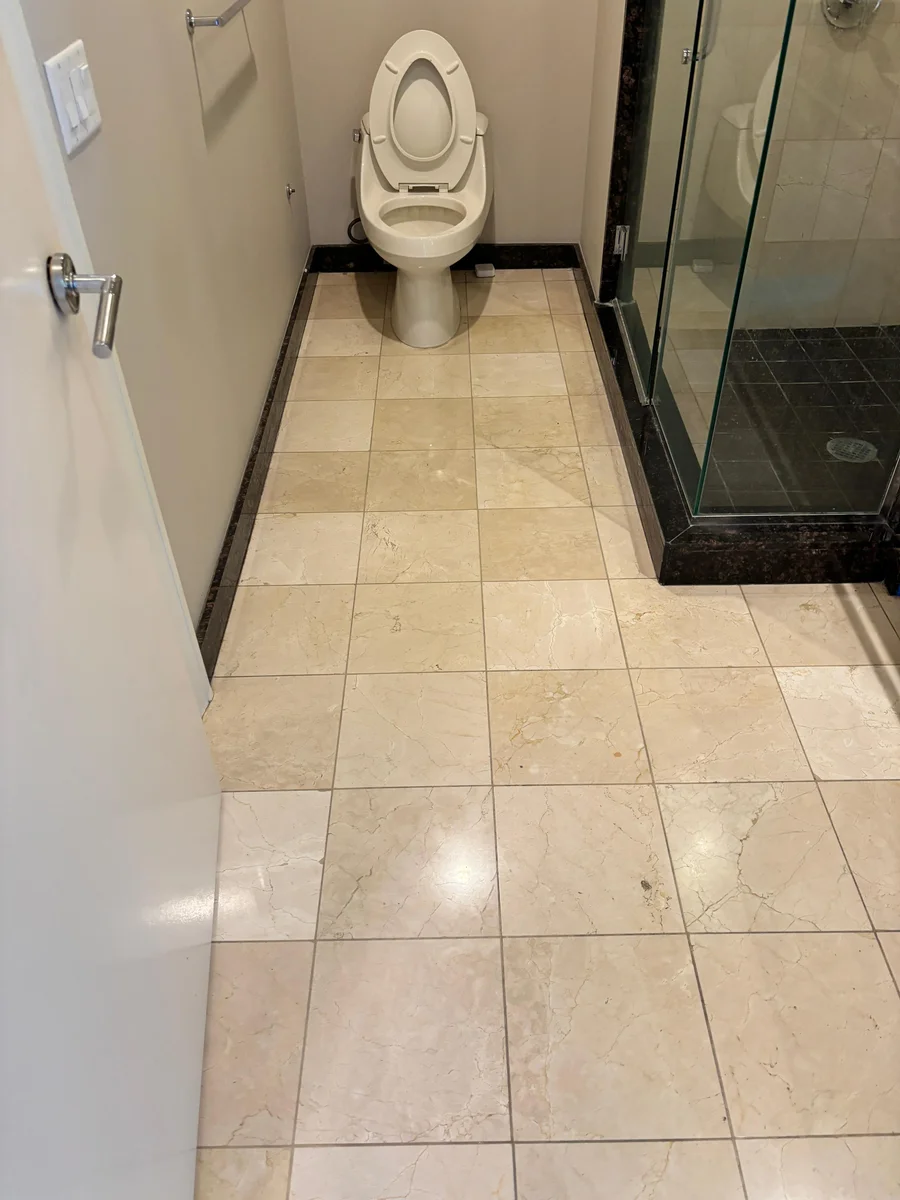
Dull spots on marble usually mean etching, not dirt. Etching happens when something acidic, wine, vinegar, even a lemon slice, sits on the stone and eats into the surface. It's chemical damage, not a stain, and no amount of scrubbing fixes it. We see this every week in kitchens with marble counters and entryways with travertine tile.
Scratches that catch a sock or a mop are another sign. So is a floor that looks foggy no matter how much you clean it. That fog is usually a worn-down sealer letting soil embed into the stone's natural pores.
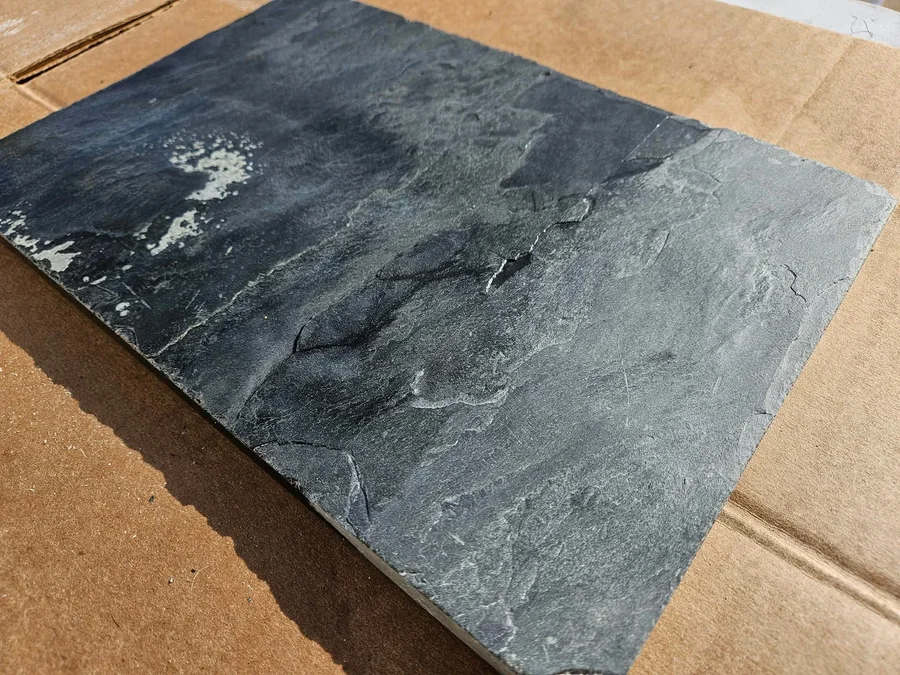
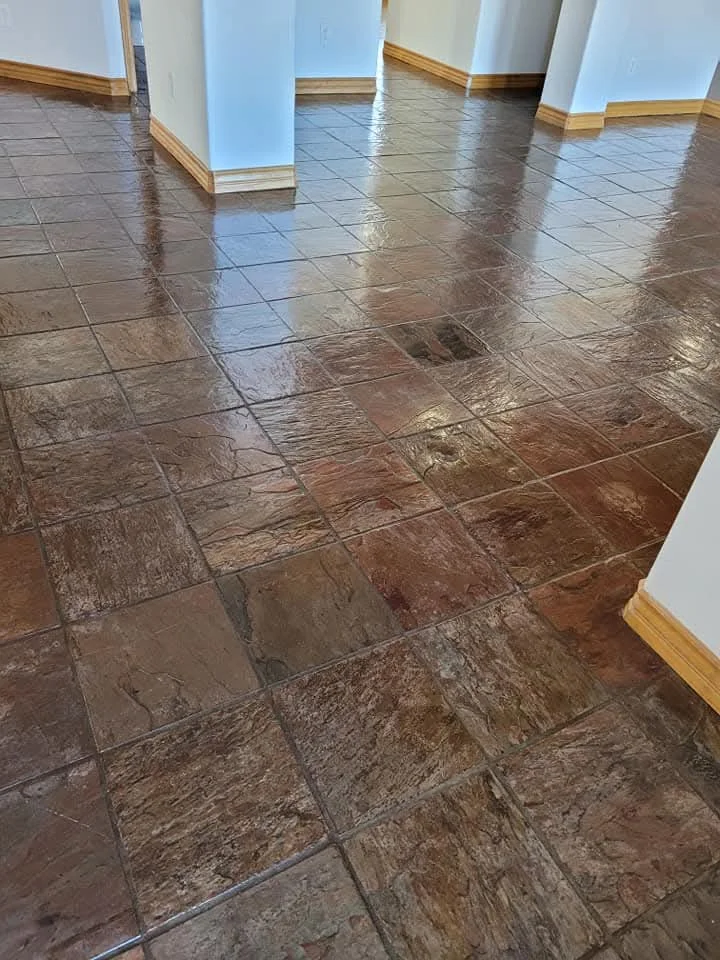
Homes around Chester built in the 90s and early 2000s often have travertine or slate entryways installed without a proper sealer schedule, and after twenty-some years those floors show heavy wear right at the front door where grit and rain track in.
Here's what usually tips a homeowner off that it's time to call someone:
- Dull, cloudy patches that won't buff out with regular cleaner
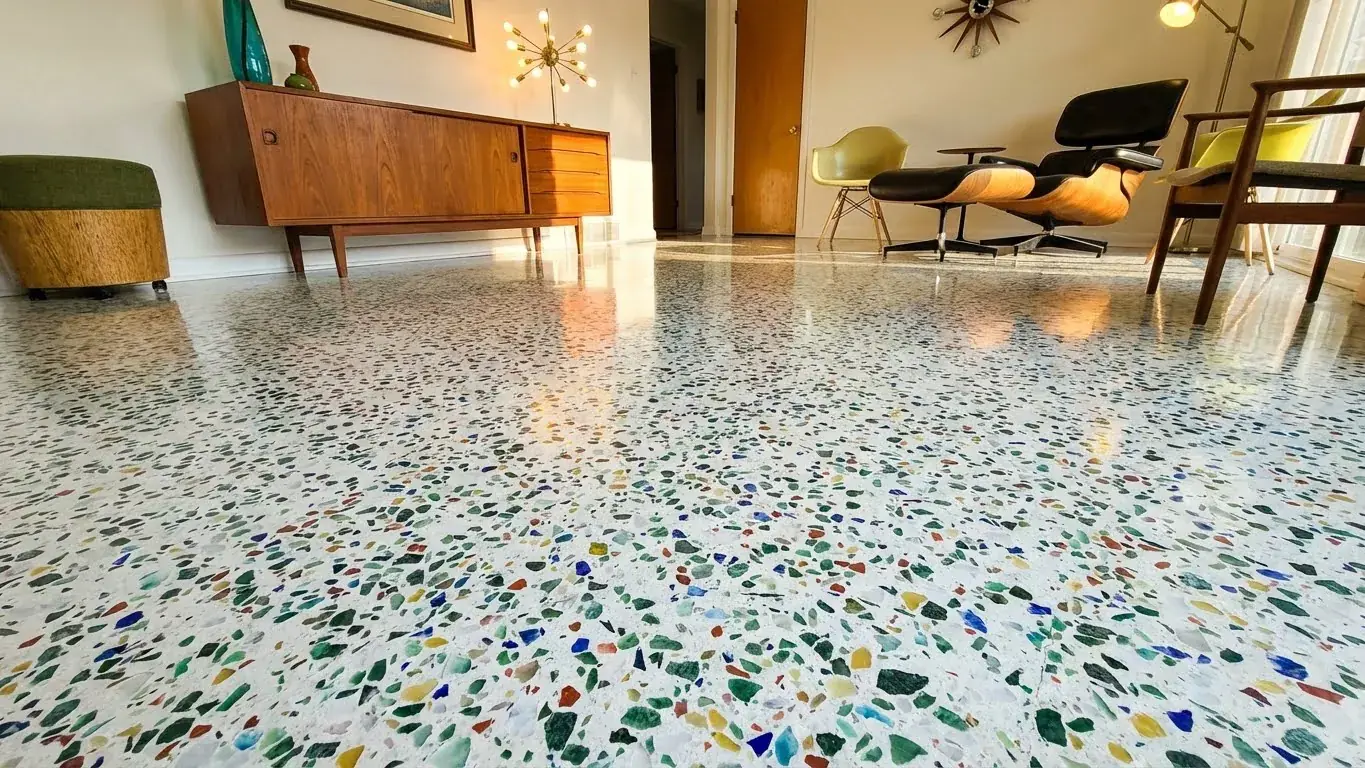
- Visible scratches or dents in marble, travertine, or terrazzo
- Rings or spots left behind by cups, plants, or spilled liquid
- Grout lines that look darker or gritty even after mopping
- Stone that feels rough or chalky instead of smooth
Not sure if what you're looking at is etching or just a stain? That's a fair question, and it's pretty common to mix them up. Stains sit on top, etching changes the surface itself. You can usually tell by running a fingernail across the dull spot to feel if it's smooth or slightly textured. If your floor has gone from shiny to flat over the last year or two, it's not aging on its own - stone doesn't wear out that way without help.
When a Simple Cleaning Is Enough
Not every dull floor needs full stone restoration. Sometimes it just needs a good cleaning. Here's the honest truth: if your marble or travertine looks hazy because of soap film, dust, or everyday grime sitting on the surface, that's not damage. That's dirt. And dirt comes off.
We get calls all the time from folks convinced their floor is ruined. It's just been a while since it got a real cleaning. Grout lines packed with gray soil, tile that feels sticky underfoot, a kitchen floor that looks fine until you see it next to the grout by the baseboards. That's usually a tile and grout cleaning job, not a honing and polishing job. Big difference in what the floor needs.
So how do you tell the difference yourself? Try this: wipe a small section with a damp microfiber cloth and look at it under good light. If the shine comes back and the surface looks even, you're probably looking at surface soil. If you still see dull patches, rings, or rough spots that don't wipe away, that's etching or wear in the stone itself, not dirt.
One more thing worth knowing. Homes with a lot of natural light, big windows facing the yard, sunrooms, that kind of layout, tend to show soil buildup faster because you can see the grime in daylight. Doesn't mean the stone is damaged. Just means it's been a minute since it got attention.
If a deep clean gets your floor back to looking right, we'll tell you that straight, no reason to talk you into more than you need.
How Stone Restoration Works, Step by Step
Every stone floor tells us something before we even touch it. Dull marble in a foyer usually means years of foot traffic and grit acting like sandpaper. Cloudy travertine near a shower usually means hard water etching. So the first step is always diagnosis, and we do that with a text-a-photo quote. Send us pictures, tell us what you're seeing, and we can usually tell you what's going on before we ever load the truck.
Once we're on site, here's the actual process:
- Assess and test. We check the stone type, the depth of damage, and whether it's etching, scratching, or just embedded soil.
- Deep clean first. Grout lines and pores hold years of grime. Nothing gets honed until the surface is clean.
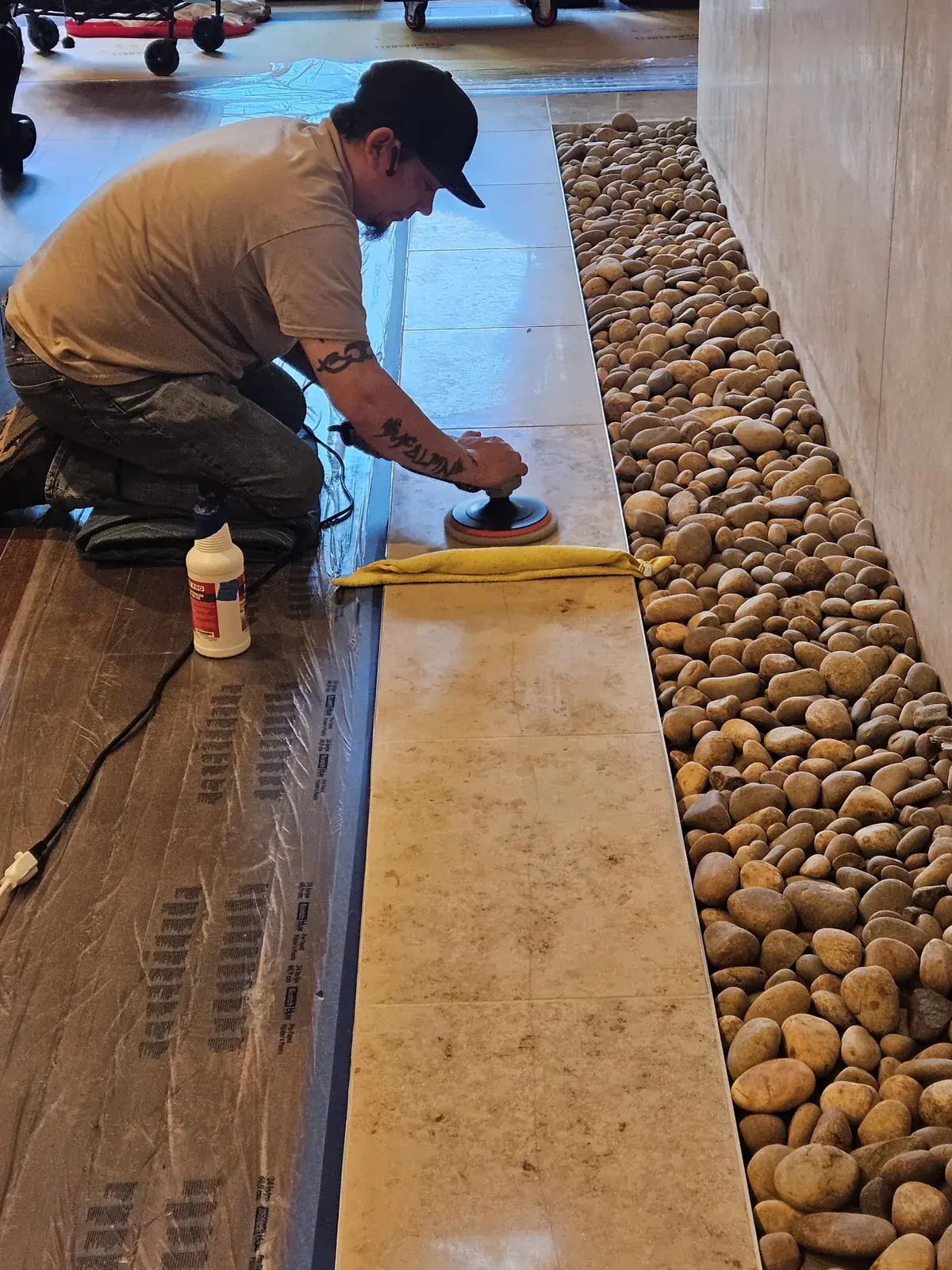
- Hone the stone. Using diamond abrasives, we grind down through the damaged layer, working from coarse to fine grit.
- Polish it back. This is where marble gets its shine and travertine or terrazzo gets its even, honed look.
- Seal and protect. A proper sealer slows down future etching and staining. It doesn't stop it completely.
That last point matters. Sealer buys you time, not immunity. We're straight with every homeowner about that.
Terrazzo and travertine each behave differently under the tools, so the grit sequence changes job to job. A marble entryway might need three passes. A terrazzo den floor might need five, depending on how many old wax layers are sitting on top. We adjust as we go. We don't run a fixed script on every floor. If a driveway visit is needed to scope things out in person, that visit runs between $75 and $125, and it gets applied straight to the work once you hire us.
What Drives Natural Stone Restoration Costs
Every stone floor is different, so pricing in this trade isn't a flat number. It depends on what the stone is doing to you, not just what it looks like.
Marble, travertine, and terrazzo all wear differently. Marble scratches and etches from acid, wine, vinegar, even lemon juice left too long. Travertine has natural pits that fill in with dirt over the years. Terrazzo needs a different grind sequence because it's a mixed aggregate, not a single stone type. The restoration process, and the cost behind it, shifts based on which one you've got and how far gone it is.
A few things push cost up or down across this industry:
- How many coats of old sealer or wax have to come off first
- The depth of etching or scratching, shallow surface marks cost less to fix than deep gouges
- Square footage and how many rooms flow together
- Whether the grout lines need separate cleaning and sealing work
- Furniture, cabinetry, or fixtures that need extra care around
Before you hire anyone, ask what grit sequence they plan to use, whether they're sealing after polishing, and how they protect surrounding surfaces during the honing process. Those answers tell you a lot about whether you're talking to someone who knows stone or someone guessing.
We keep our own quoting simple. Text us a few photos and we'll usually give you a free estimate right over the phone, no driving out required. If the job's complicated enough that we do need to see it in person, that visit runs between $75 and $125, and it gets applied straight to the work if you move forward. No surprise callout fee eating into your budget for nothing.

Protecting Stone Floors From Chester's Humid Climate
Central Virginia doesn't do humidity halfway. Summers here push past 90 percent some weeks, and that moisture doesn't stay outside. It gets into your slab, your crawl space, and eventually your stone floor. Marble and travertine are porous. They soak up moisture like a sponge soaks up water on a counter. Over time, that trapped humidity works its way to the surface and leaves behind cloudy patches, dull spots, or a slightly hazy film that never seems to wipe clean.
We see this every week in homes built on slab foundations around Chester, especially older ones from the 70s and 80s where vapor barriers weren't standard practice. The moisture pushes up through the stone from underneath, not just from spills on top. That's a different problem than a wine stain, and it needs a different fix.
Sealing is the first line of defense. A good sealer doesn't just block spills, it slows down how fast moisture moves through the stone in both directions. But sealer wears down. Foot traffic, cleaning chemicals, and Virginia's swing from humid summers to dry winter heat all break it down faster than most homeowners expect.
Here's the part people miss: a floor can look sealed and still be failing underneath.
That's why we check the stone's condition before we ever start polishing. Honing and resealing without addressing moisture first just buries the problem for another season. If your floor feels sticky in July or shows faint white haze near exterior doors, that's usually the humidity talking. Catching it early, before it turns into permanent etching or pitting, is a lot cheaper than waiting.
Measured steps.
A considered result.
- Share the surface
Send a full view and a close-up of the concern.
- Confirm the material
Identify what it is before choosing a method.
- Set the scope
Separate cleaning, finish work, and repair needs.
- Refine with care
Use a process compatible with the existing surface.
- Review the finish
Inspect the result and discuss ongoing care.
Clarity before
the visit.
How do I get a quote for stone floor restoration in Chester?
You can start with a text-a-photo quote instead of waiting on a scheduled visit. Send us pictures of the dull spots, scratches, or cloudy patches, and we can usually tell you what's going on before we ever load the truck. If we need to see the floor in person to check the stone type and damage depth, we'll set up a driveway visit. That visit gets applied straight to the work once you hire us.
What happens when someone comes out to look at my floor?
We start by testing the stone to figure out if you're dealing with etching, scratching, or just soil buildup in the pores. This step matters because the fix is different for each one. From there we deep clean the surface and grout lines before any honing happens. Nothing gets ground down until the grime is gone. We'll walk you through what we're seeing and what it'll take to fix it, so you're not guessing at the process.
Why do so many Chester homes have worn stone entryways?
Homes built around Chester in the 90s and early 2000s often have travertine or slate entryways that went in without a proper sealer schedule. After twenty-some years, that grit and rain tracked in from outside wears down the surface right at the front door. The sealer breaks down first, then soil embeds into the stone's natural pores, and the floor starts looking foggy no matter how much you mop it.
How can I tell if my floor just needs cleaning instead of full restoration?
Wipe a small section with a damp microfiber cloth under good light and check the result. If the shine comes back and the surface looks even, you're looking at surface soil, not damage. If dull patches, rings, or rough spots stay put after wiping, that's etching or wear in the stone itself. Homes with big windows or sunrooms tend to show soil faster just because you can see the grime in daylight, not because the stone is worse off.
How long does a stone floor restoration usually take?
It depends on the stone type and how many old layers of sealer or wax are sitting on top. A marble entryway might only need three honing passes, while a terrazzo floor with years of wax buildup can need five. We adjust the grit sequence as we go instead of running the same script on every job, so the timeline shifts based on what the floor actually needs once we're working on it.
Will sealing my floor after restoration stop future damage?
Sealer slows down etching and staining, but it doesn't stop them completely. Marble left in contact with wine, vinegar, or lemon juice can still etch even with fresh sealer on it. We're upfront about that with every homeowner because it changes how you care for the floor afterward. Wiping up acidic spills quickly and keeping grit off entryways will help the seal do its job longer.