
Grout Sealing in Chester: Protect Your Tile Without the Replacement Cost
Grout sealing in Chester that protects tile from stains and moisture damage. Precision Floor and Surface comes to you. Call to schedule your service.
Google Reviews
Scroll to read all 9 reviews →
“Great work and even better customer service. Very professional, easy to work with, and you can tell they take pride in what they do. Definitely recommend Precision Floor & Surface Restoration if you need your floors or countertops brought back to life.”★★★★★
“Absolutely amazing work! From start to finish, everything was handled professionally and with great attention to detail. They took the time to make sure everything was done right, and the results speak for themselves. The floors and surfaces came out looking incredible, and you can tell they genuinely take pride in their work. I couldn’t be happier with the finished product and would definitely recommend them to anyone looking for quality work and great service. Five stars all the way! ⭐⭐⭐⭐⭐”★★★★★
“Precision Floor & Surface Restoration exceeded my expectations! Professional, punctual, and detail-oriented from start to finish. My floors look amazing, and the quality of work was outstanding. Highly recommend to anyone looking for top-notch floor and surface restoration services.”★★★★★
“Removed stains that previous cleaning services could not. Made the impossible - possible!”★★★★★
“Great quality work! Very professional with communication!!”★★★★★
“Clean and very professional. Highly recommend”★★★★★
“I highly recommend his floor cleaning services! He’s reliable, professional, and does an excellent job. My floors looked amazing, and I couldn’t be happier with the results.”★★★★★ ★★★★★
Signs Your Grout Needs Sealing
Water tells you almost everything. Splash some on your grout lines. If it beads up and sits there for a minute, the seal is still doing its job. But if it soaks in fast and leaves a dark, wet-looking patch, that grout is bare and thirsty.
We check this every time we walk into a bathroom or kitchen. Homeowners already sense something's off. They just can't name it. Grout that's lost its seal starts pulling in whatever touches it: coffee, grease, shower water, dirt tracked in from outside. It darkens unevenly first, usually right where feet walk or water pools, long before the whole floor looks bad.
Here's what usually gets people to finally call us:
- Grout lines look gray or brown even right after mopping
- A musty smell shows up near the shower or tub surround that won't go away
- Grout feels slightly rough or powdery, not smooth like it used to
- Old stains keep coming back no matter how hard you scrub
- Color looks patchy, darker in high-traffic spots and lighter near the walls
Chester's humidity in July and August makes this worse, especially in bathrooms without good ventilation. Moisture gets trapped in the grout, and unsealed grout holds onto it. If your grout is more than a couple years past its last sealing, or you've never had it sealed at all, these signs will show up faster than you'd expect. Catching it early is the whole game. Once soil and moisture work their way deep into porous grout, a light cleaning won't pull it back out, and you're looking at a harder restoration job instead of a simple reseal.
Cleaning Comes Before Sealing, Not After
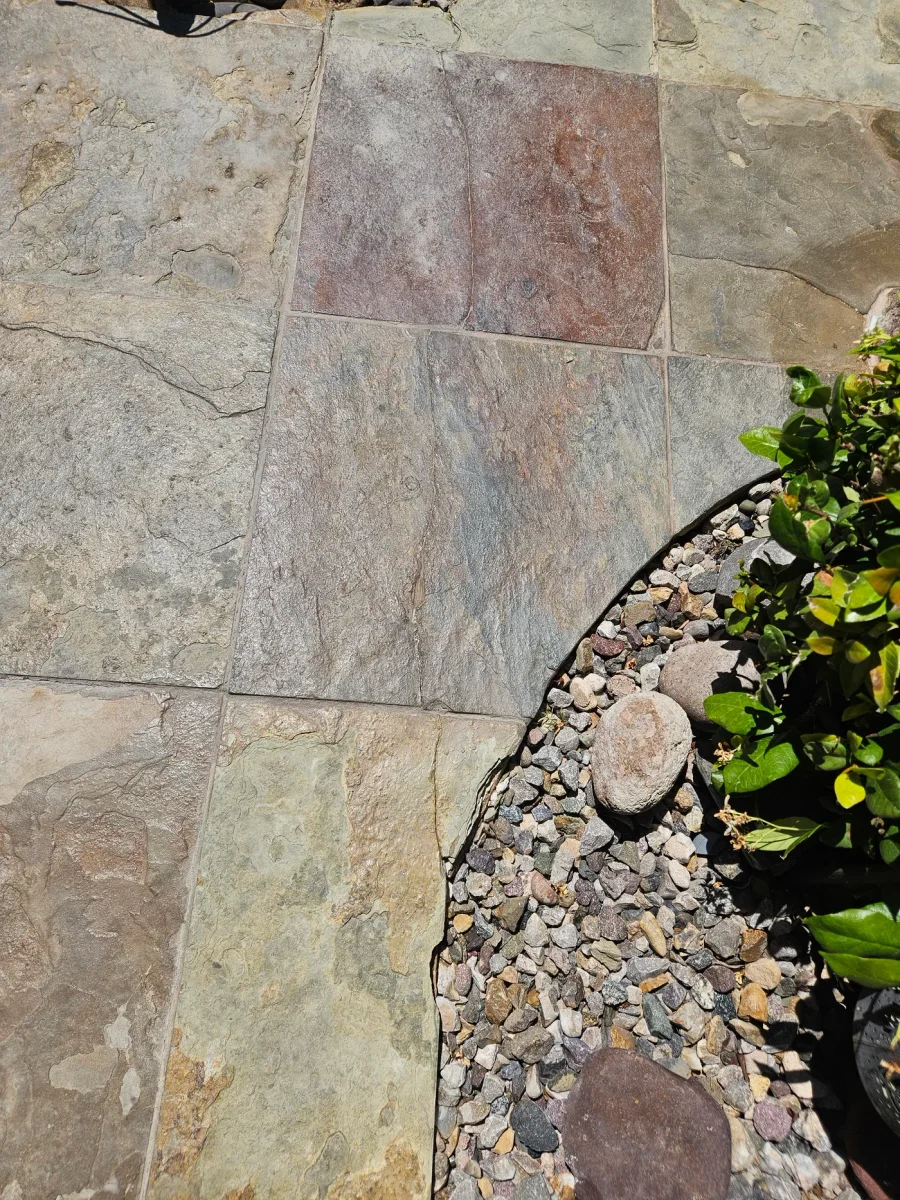
Here's the mistake we see more than any other. Someone calls us wanting grout sealed, but the grout is still gray with years of embedded soil. Sealing over dirt doesn't hide it. It locks it in - permanently, in most cases.
Grout is porous. Think of it like a sponge made of sand and cement. Every mop pass, every bare foot, every spill from a Chester kitchen pushes soil down into those tiny pores. A sealer's job is to fill the remaining pore space so future spills can't soak in. If that space is already packed with old grime, the sealer just traps it there and locks the color in for good. That's not a sealing problem. That's a sequencing problem.
So the real work starts with a deep cleaning pass first. We use extraction methods that pull soil out of the grout lines instead of just wiping the surface. That is the difference between grout that looks refreshed and grout that just looks damp for a day. This matters even more in older Chester homes with tile from the 80s and 90s, where the grout was never sealed to begin with and has had decades to soak things up.
Once we clean the grout properly, the color comes back close to original. Customers are surprised every time. That's really the whole argument for restoration over replacement. You don't need new tile. You need the existing grout treated correctly before anything gets sealed on top of it.
Skip this step and you're sealing in the problem instead of solving it.
When Grout Sealing Isn't the Right Fix
Let's be honest about what sealing can and can't do. Grout sealing protects clean, sound grout from soaking up future stains and moisture. It doesn't reverse damage that's already happened. If your grout lines are crumbling, chipped away, or missing chunks between the tiles, sealing over that is just locking in a problem. That grout needs to be repaired or repacked first.
Same goes for grout that's gone gray or black from mold growth deep in the pores. Sealant sits on top of grout. It doesn't kill what's already living inside it. We run into this a lot in older Chester bathrooms built before better ventilation standards, where humidity gets trapped and mold works its way in over years. In cases like that, the grout needs a real cleaning first, sometimes a full restoration, before sealing does any good.
Cracked grout near tubs or showers is another one. That cracking usually means movement in the substrate or a failed caulk joint, not a sealing issue at all. Sealing a crack doesn't close it. Water still gets behind the tile.
And if you're seeing white, chalky buildup on the grout surface, that's often efflorescence, mineral deposits pushed up from moisture trapped underneath. Sealing on top of that just traps the moisture further in.
One more thing worth saying plainly - if tiles themselves are loose or hollow-sounding when you tap them, no amount of grout work fixes that. That's a tile-setting problem, not a grout problem.
So before we ever recommend sealing, we look at the actual condition of the grout first. Sometimes the honest answer is clean and restore now, seal later.
What Happens During a Professional Grout Sealing Visit
So what does the actual visit look like? Nothing fancy, but it does need to happen in the right order. Skip a step and the sealer won't hold, plain and simple.
First, we look at the grout up close. Cracked, crumbling, or already stained grout needs cleaning and sometimes repair before any sealer goes on top. Sealing over dirt just traps it in there.
- We start with a deep clean of the grout lines to pull out embedded soil, old wax, or grime that's built up over the years.
- Next, we let the grout dry fully. Chester summers get humid, and damp grout won't accept sealer the way it should.
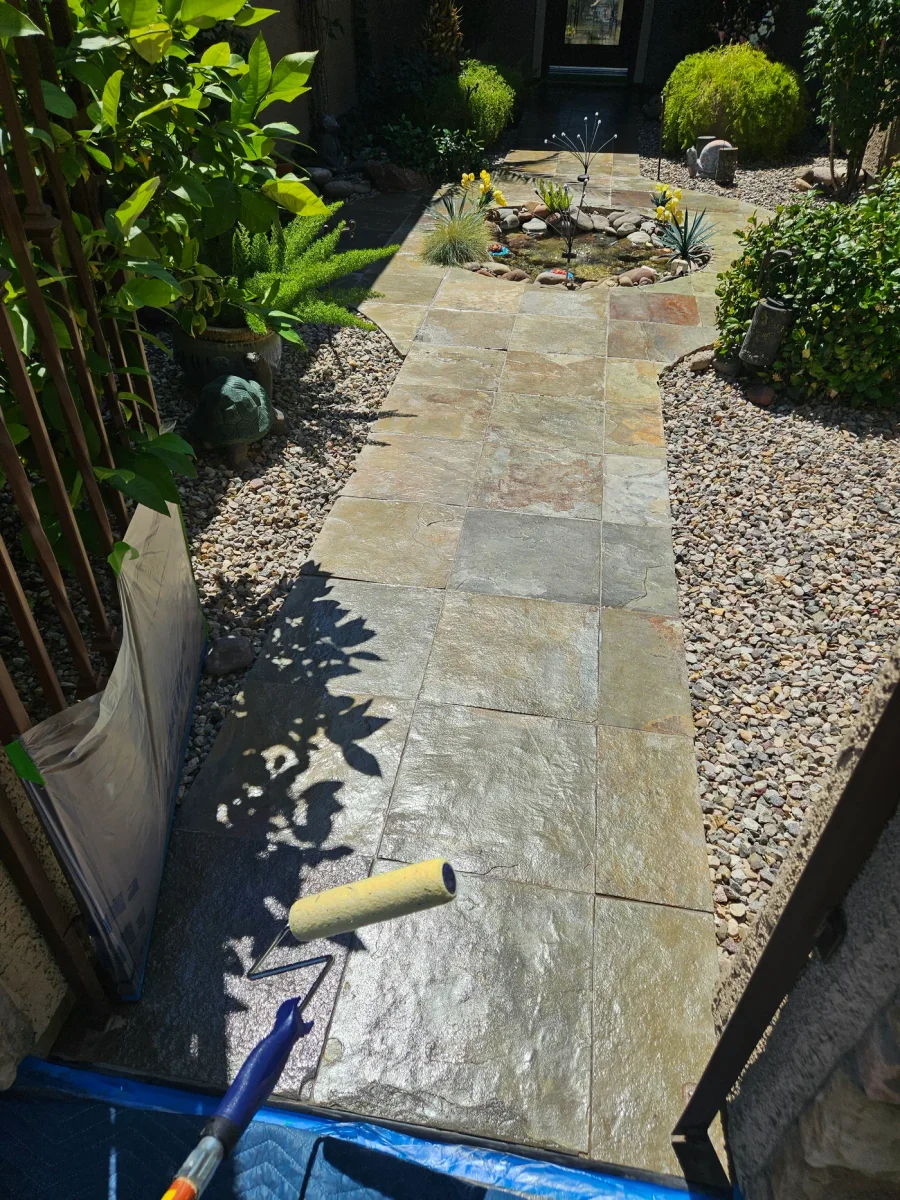
- Then we apply the sealer, working it into the porous grout line by line, not just wiping it over the surface.
- We give it time to cure before anyone walks on it or the room gets used again.
- Last, we do a final check, looking for any spots that soaked in unevenly and need a second pass.
If the grout looks a shade darker right after cleaning but before sealing, that's just the dirt finally coming out. Don't panic if that happens.
We're IICRC certified in ceramic tile care, so how different grout types react. Sanded grout drinks up sealer differently than unsanded. Older homes around Chester often have grout that's never been sealed at all, which means it's had years to soak up whatever's been mopped or spilled on it.
A typical kitchen or bathroom floor takes a few hours start to finish. Bigger tile jobs, like an entryway or a whole downstairs, take longer. We'll always tell you upfront what to expect before we start - no surprises halfway through the job.
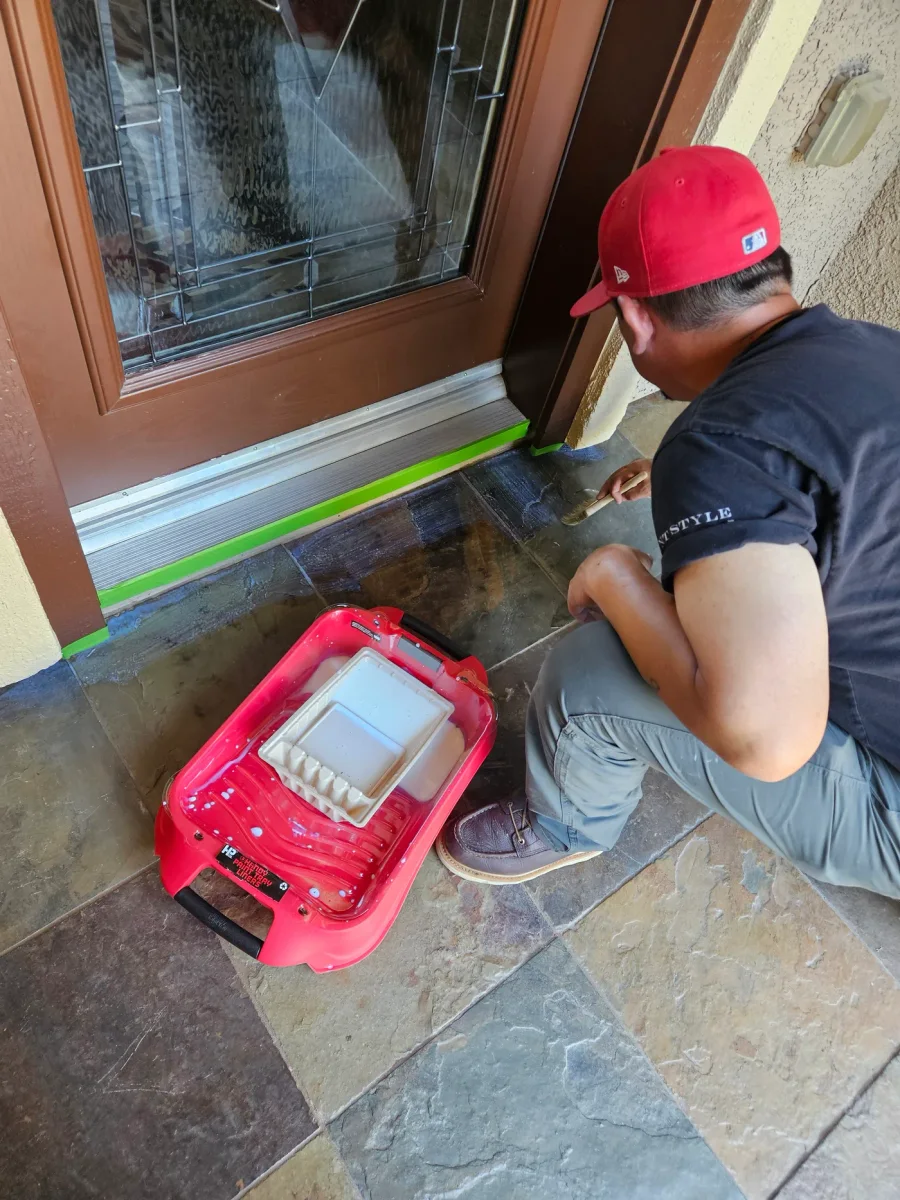
How Grout Sealing Pricing Works
Grout sealing pricing in this trade almost always comes down to square footage and condition, not a flat number some company pulls out of thin air. Most pros price by the linear or square foot of grout line, then adjust based on what they find once they get eyes on it. A bathroom floor with tight, clean joints costs less to seal than a kitchen with years of embedded grease sitting in the grout lines.
A few things push the price up or down. Grout that's cracked or crumbling needs repair before sealing, that's a separate step. Grout that's still holding onto old sealer or soap scum needs a deeper clean first, so the sealer bonds instead of sitting on top of grime. And the type of sealer matters too - penetrating sealers soak into the grout itself, membrane-forming sealers sit on the surface. Each has a different application process and a different price point industry-wide.
Here's what we tell folks who call us: don't hire anyone who quotes a number over the phone without seeing the grout first. That's a red flag. We'd rather look at a few photos you text us and give you a real number based on what's there.
That's how we handle it too. Text us photos or call us, and we'll walk you through pricing for free, no visit needed in most cases. If your grout job needs us to come look in person before we can bid it, that visit runs between $75 and $125, and it gets applied straight to the job if you hire us. You're never paying twice.
Ask any provider what's driving their number before you agree to anything. A straight answer tells you a lot about who you're hiring.
Measured steps.
A considered result.
- Share the surface
Send a full view and a close-up of the concern.
- Confirm the material
Identify what it is before choosing a method.
- Set the scope
Separate cleaning, finish work, and repair needs.
- Refine with care
Use a process compatible with the existing surface.
- Review the finish
Inspect the result and discuss ongoing care.
Clarity before
the visit.
How soon can you come out to seal my grout in Chester?
We schedule most grout sealing visits within a few days of your call. Timing depends on whether your grout needs a deep clean first, since that adds drying time before sealer goes on. Chester's summer humidity can slow drying, so we may build in extra time during July and August. Call early if you notice musty smells or dark patches, since those signs tend to get worse the longer you wait.
What should I expect when the crew arrives for grout sealing?
You can expect a close inspection first, before any sealer touches your floor. We check for cracks, crumbling grout, or mold that would stop sealer from holding. Then we deep clean the grout lines to pull out old soil, let everything dry fully, and apply sealer row by row. The whole visit follows this order every time, because skipping a step means the seal won't last.
Why does my grout look darker after cleaning but before sealing?
That darker look is just years of trapped dirt finally coming out of the grout. Grout works like a sponge, and mopping over time pushes soil deep into the pores. Once we pull that soil out with extraction cleaning, the true color underneath often looks different from what you're used to seeing. Don't worry if this happens. It usually means the cleaning worked, and sealing next will lock in the clean color.
Is grout sealing pointless if my grout is already cracked or moldy?
Sealing alone won't fix cracked or moldy grout, so yes, sealing over it wastes the effort. Sealer sits on the surface and can't kill mold growing deep in the pores or close a crack caused by movement behind the tile. In older Chester bathrooms with poor ventilation, we often find mold trapped this way. Those cases need cleaning or repair first, with sealing coming only after the grout is sound again.
Why does grout in older Chester homes need sealing more often?
Older Chester homes built in the 80s and 90s often have grout that was never sealed when it was installed. Decades of spills, foot traffic, and humid summers give that grout more time to soak up stains and moisture. If your tile is from this era and you can't remember the last sealing, treat it as overdue. Catching it now is easier than waiting for full restoration later.
Can I use my shower or kitchen right after grout sealing?
You'll need to wait until the sealer fully cures before using the room again, which we check during our final walkthrough. Walking on grout or getting it wet too soon can pull the sealer before it sets. We look over every line before we leave, checking for spots that soaked in unevenly and need a second coat. Following this wait time is what makes the sealing job actually hold up.