
Tile and Grout Restoration in Chester: Restore, Don't
Tile and grout restoration in Chester that renews floors without a full replacement. Local pros bring the equipment to you. Call to schedule.
Google Reviews
Scroll to read all 9 reviews →
“Great work and even better customer service. Very professional, easy to work with, and you can tell they take pride in what they do. Definitely recommend Precision Floor & Surface Restoration if you need your floors or countertops brought back to life.”★★★★★
“Absolutely amazing work! From start to finish, everything was handled professionally and with great attention to detail. They took the time to make sure everything was done right, and the results speak for themselves. The floors and surfaces came out looking incredible, and you can tell they genuinely take pride in their work. I couldn’t be happier with the finished product and would definitely recommend them to anyone looking for quality work and great service. Five stars all the way! ⭐⭐⭐⭐⭐”★★★★★
“Precision Floor & Surface Restoration exceeded my expectations! Professional, punctual, and detail-oriented from start to finish. My floors look amazing, and the quality of work was outstanding. Highly recommend to anyone looking for top-notch floor and surface restoration services.”★★★★★
“Removed stains that previous cleaning services could not. Made the impossible - possible!”★★★★★
“Great quality work! Very professional with communication!!”★★★★★
“Clean and very professional. Highly recommend”★★★★★
“I highly recommend his floor cleaning services! He’s reliable, professional, and does an excellent job. My floors looked amazing, and I couldn’t be happier with the results.”★★★★★ ★★★★★
Tile and Grout Restoration in Chester Starts With an Honest Diagnosis
Before we touch a single tile, we figure out what went wrong. Not every dingy floor has the same problem. Sometimes it's years of embedded soil sitting deep in the grout lines, the kind that mops and store-bought cleaners can't touch. Other times it's the grout itself breaking down, crumbling at the corners, and letting water sneak underneath the tile. Those are two different fixes.
We see this every week: someone calls us thinking they need new tile floors, when really the tile is fine. It's the grout that's failed.
A lot of Chester homes near Chester Village Green have tile entryways and mudrooms that take a beating from humid Central Virginia summers. Moisture gets trapped in porous grout, mildew sets in, and the grout darkens or stains in a way surface cleaning won't fix. If your grout was never sealed properly when it was installed, or the sealer wore off years ago, that's usually the root cause. We check for that first.
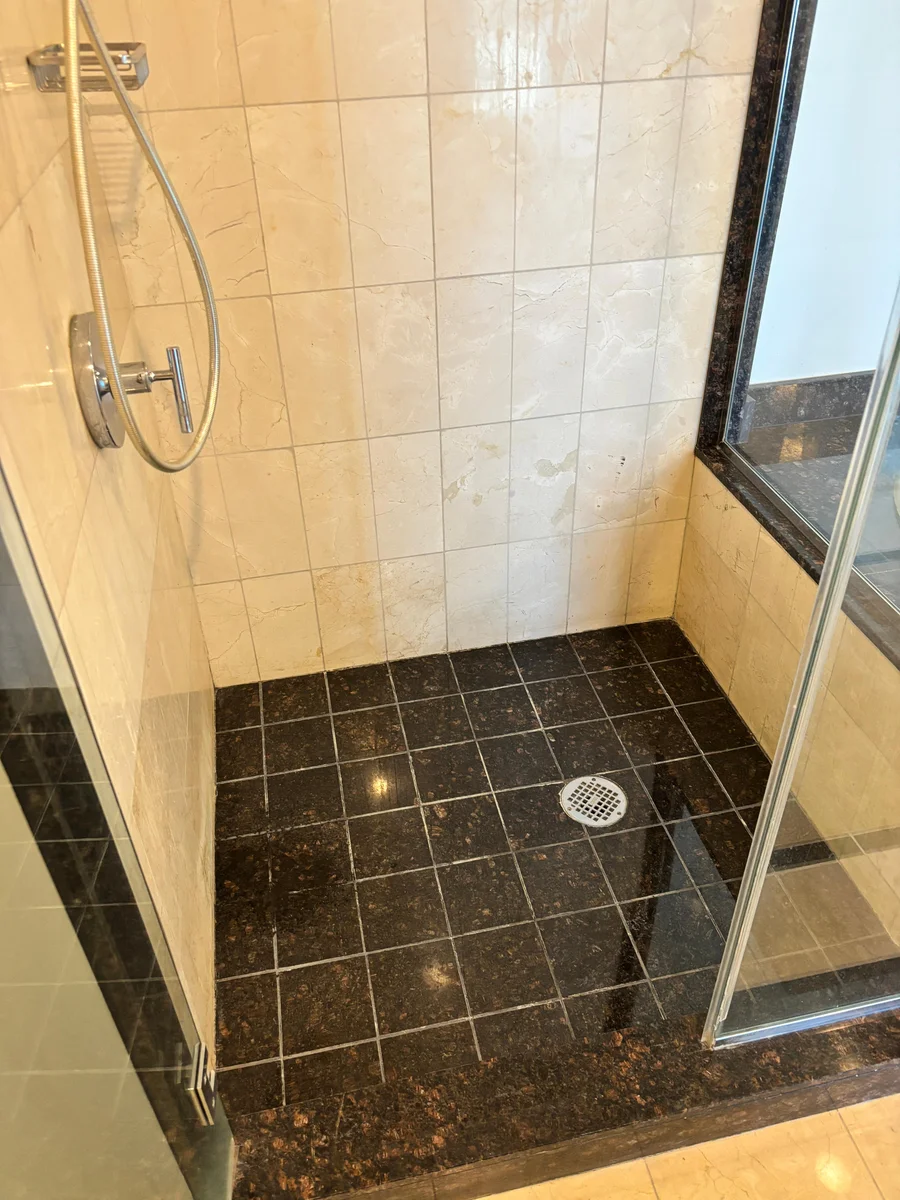
We also look for cracked grout, missing grout, and old caulk lines that have pulled away from tubs and showers. Hairline cracks let water sit against the subfloor, and in bathrooms that means slow, hidden damage you won't see until the tile starts to shift. It's the same thing: sealer wore off years ago and nobody knew to redo it.
This diagnosis step matters because it decides everything after it. Tile and grout restoration done right means cleaning, repairing, and resealing based on what's happening under your feet, not guessing. That's the whole argument here: most tile floors don't need to be torn out. They need someone who knows what they're looking at. We're IICRC certified in ceramic tile care, so we're trained to spot the difference between a surface stain and a structural issue before we recommend anything.
Signs Your Grout Needs Restoration, Not Just a Deeper Clean
So how do you know when a mop and some grout cleaner just won't cut it anymore? There's a real difference between grout that's dirty and grout that's breaking down. We see this every week, someone scrubs for an hour, the color barely changes, and they start wondering if the tile itself is ruined.
Here's what tells us restoration, not just cleaning, is the answer:
- Grout that stays gray or dark even right after you clean it, the stain is embedded deep in the porous surface, not sitting on top
- Lines that are crumbling, pitting, or missing chunks between tiles
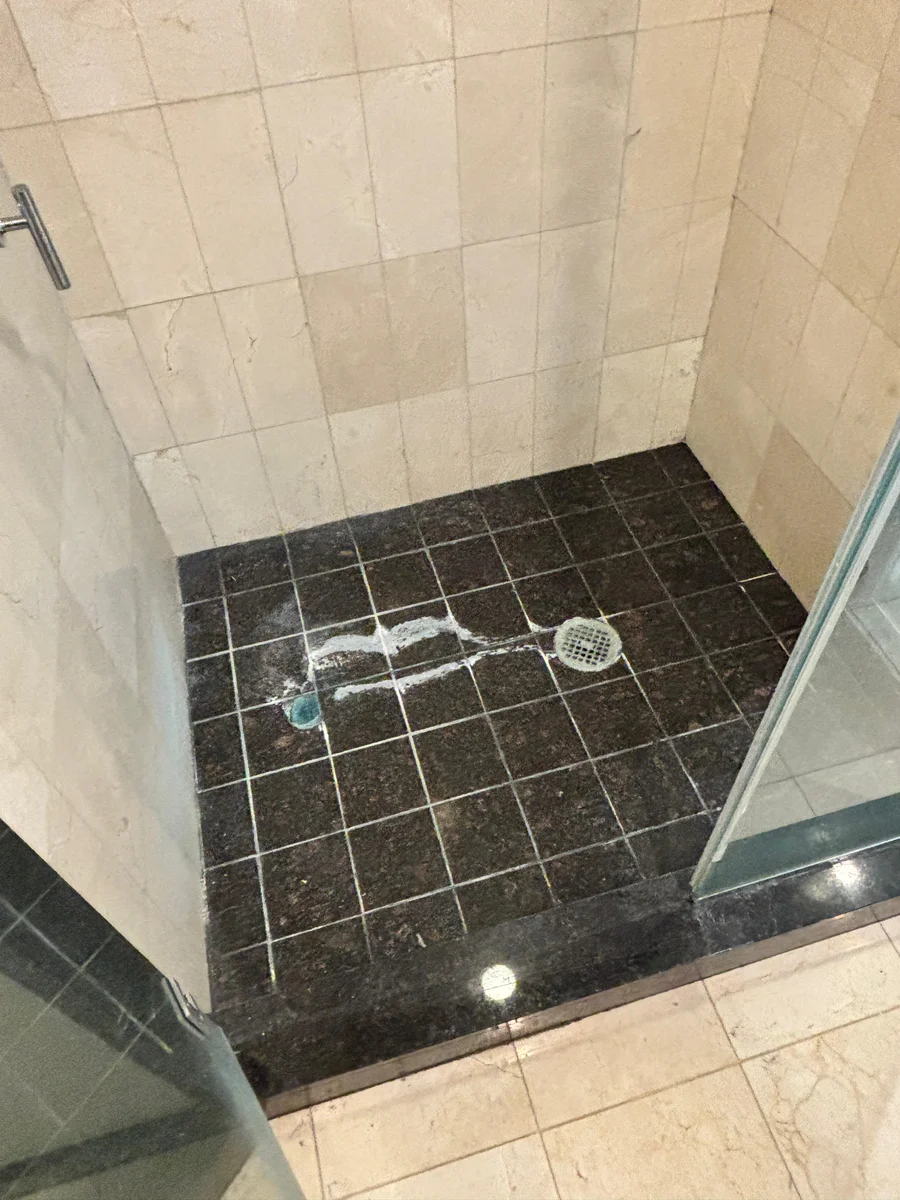
- A chalky white haze on the grout that won't wipe away, that's often mineral buildup or old sealer breaking down
- Musty smell in a bathroom that won't go away no matter how much you clean
- Grout that used to be sealed but now soaks up water like a sponge when you splash it
A lot of homes around Chester still have their original ceramic tile from the 1980s and 90s, kitchens and bathrooms that have gone twenty, thirty years without a single reseal. Central Virginia summers bring months of heat and humidity, and that moisture works its way into unsealed grout year after year. Once grout loses its seal, it acts like a sponge instead of a barrier.
Discoloration is one thing. Structural breakdown is another.
If your grout lines are cracked or pulling away from the tile, water's getting underneath. That's not a cosmetic issue anymore, it's a path for moisture damage to your subfloor. We check for this on almost every tile and grout job we walk into, and most homeowners have no idea it's happening until we point it out. If any of this sounds familiar, that's your sign it's time to call, not just clean harder.
When Tile and Grout Restoration Isn't the Right Call
Let's be honest for a second. Restoration isn't always the answer.
If your grout lines are cracked all the way through or crumbling out in chunks, that's not a cleaning problem. That's a failed installation, and no amount of sealing or deep cleaning fixes broken grout that's lost its bond to the tile. Same goes for tiles that are cracked, chipped through the glaze, or hollow-sounding when you tap them. That hollow sound usually means the tile has come loose from the substrate underneath. In older Chester homes near the Ashton Creek area, where slab foundations have shifted a bit over the decades, we sometimes find whole sections of tile that have de-bonded. Cleaning that grout would just be lipstick on a bigger problem. You'd need a tile setter to pull those tiles and reset them. Water damage is another one. If you've had a slow leak under a shower pan or around a tub for months, and the subfloor or backer board is soft or spongy, restoration work won't address rot underneath. We'll tell you straight if we see signs of that, because sealing over hidden moisture just traps it in and makes things worse down the road.
Stains that go deep into a porous stone tile, like an old wine spill on unsealed travertine that's sat there for years, sometimes can't be pulled all the way out. We can improve it a lot, but if you're expecting factory-new results on a stain that's decades old, we'd rather set that expectation now than after the job.
And if your tile is only a year or two old with light everyday soil, you might just need a good mop and a store-bought grout cleaner. Save your money for when the wear is real.
What Happens During a Tile and Grout Restoration Visit
First thing we do is look at the grout lines close up, not just the tile. That's where the real story is. Cracked grout, dark stains that won't lift with a mop, missing sealant near the shower pan - these tell us what caused the damage and what it'll take to fix it. A lot of homes in Chester still have original ceramic tile from builds in the 80s and 90s, and that older grout was never sealed properly to begin with. So the soil's had decades to work its way in.
Once what we're dealing with, the actual process usually runs like this:
- We test a small section first, checking how the tile and grout respond before touching the whole floor.
- Deep clean with equipment that pulls embedded dirt out of the grout, not just off the surface.
- Repair or re-grout any cracked or missing sections so water stops getting underneath.
- Polish the tile if it's lost its shine from years of foot traffic and cleaning products.
- Seal the grout lines to slow down the next round of staining.
How Tile and Grout Restoration Pricing Works
Tile and grout restoration pricing isn't one-size-fits-all, and it shouldn't be. The cost comes down to a few real factors: how much square footage you're covering, how deep the grout stains have set in, whether the tile itself needs polishing or just the grout lines need attention, and what kind of sealer was used last time (or if one was ever used at all).
Here's what drives the number up or down. Heavily soiled grout that's absorbed years of mop water, cooking grease, or pet traffic takes longer to clean than grout that's just dusty. Cracked or missing grout lines need re-grouting, not just cleaning, and that's a different job entirely. Tile that's scratched or dulled from years of foot traffic may need honing before it gets sealed again.
So how should you budget for this? Ask any provider these questions before you hire them:
- Is the quote based on square footage, or a flat rate for the whole job?
- Does the price include sealing, or is that billed separately?
- What happens if they find damage once they start, like cracked tile under the grout?
- Is there a minimum charge for small areas, like a single bathroom?
We keep our own process simple. Text us a few photos of the tile and grout, walk us through what's going on, and we'll give you a free quote right over the phone. No driving out, no waiting around. If a job's complicated enough that we do need to come look at it in person first, that visit runs between $75 and $125, and it gets applied straight to the cost of the work if you hire us. We'd rather you know what you're paying before we ever pick up a tool.
Measured steps.
A considered result.
- Share the surface
Send a full view and a close-up of the concern.
- Confirm the material
Identify what it is before choosing a method.
- Set the scope
Separate cleaning, finish work, and repair needs.
- Refine with care
Use a process compatible with the existing surface.
- Review the finish
Inspect the result and discuss ongoing care.
Clarity before
the visit.
What happens during a tile and grout restoration visit?
We start by looking closely at your grout lines, not just the tile surface. We test a small section first to see how the grout and tile respond before working on the rest of the floor. This tells us if we're dealing with embedded soil, a failed seal, or something deeper. We're IICRC certified in ceramic tile care, so we check for structural issues before starting any cleaning or resealing.
How do I know if my grout needs restoration instead of just a deep clean?
If your grout stays gray or dark right after cleaning, that's a sign restoration is needed. A regular clean lifts surface dirt, but it won't fix stains soaked deep into porous grout. Other clues include crumbling grout lines, a chalky white haze that won't wipe off, or a musty smell that keeps coming back. If you've scrubbed hard and nothing changed, that's usually your sign to call.
Why does grout in Chester bathrooms and entryways turn dark or moldy?
Humid Central Virginia summers push moisture into porous grout, and once it's trapped, mildew sets in fast. This is common in tile entryways and mudrooms near Chester Village Green that take daily foot traffic and humidity. If the grout was never sealed properly during installation, or the sealer wore off years ago, it acts like a sponge instead of a barrier. That's usually the root cause we find.
Can you restore grout in older homes with shifted foundations, like near Ashton Creek?
Sometimes, but not always, it depends on what's causing the damage. In older Chester homes near Ashton Creek, slab foundations have shifted over the decades, and we sometimes find tile that's de-bonded from the substrate underneath. If tiles sound hollow when tapped, cleaning the grout won't fix that. That's a tile-setting issue, and we'll tell you straight if that's what we're seeing.
Will tile and grout restoration fix cracked or hollow-sounding tiles?
No, cracked or hollow-sounding tiles usually mean the tile has come loose from the surface underneath, and restoration won't fix that. Grout restoration works on cleaning, repairing, and resealing grout lines, not replacing broken tile. If we find hollow spots or cracked tiles during our inspection, we'll tell you it needs a different fix so you're not paying for work that won't hold.
How long does grout restoration take before I can use the room again?
Most tile and grout restoration jobs let you walk on the floor the same day, but full sealer curing takes a bit longer. We test each section as we go, so timing depends on how much grout needs repair versus just cleaning and resealing. Bathrooms with cracked grout near tubs or showers usually take more time than a simple entryway clean and reseal.