
Tile and Grout Cleaning in Chester: Restore the Shine Without Replacing a Single Tile
Tile and grout cleaning in Chester that lifts stains and restores color without replacing tile. Local pros come to you. Call to schedule your cleaning.
Google Reviews
Scroll to read all 9 reviews →
“Great work and even better customer service. Very professional, easy to work with, and you can tell they take pride in what they do. Definitely recommend Precision Floor & Surface Restoration if you need your floors or countertops brought back to life.”★★★★★
“Absolutely amazing work! From start to finish, everything was handled professionally and with great attention to detail. They took the time to make sure everything was done right, and the results speak for themselves. The floors and surfaces came out looking incredible, and you can tell they genuinely take pride in their work. I couldn’t be happier with the finished product and would definitely recommend them to anyone looking for quality work and great service. Five stars all the way! ⭐⭐⭐⭐⭐”★★★★★
“Precision Floor & Surface Restoration exceeded my expectations! Professional, punctual, and detail-oriented from start to finish. My floors look amazing, and the quality of work was outstanding. Highly recommend to anyone looking for top-notch floor and surface restoration services.”★★★★★
“Removed stains that previous cleaning services could not. Made the impossible - possible!”★★★★★
“Great quality work! Very professional with communication!!”★★★★★
“Clean and very professional. Highly recommend”★★★★★
“I highly recommend his floor cleaning services! He’s reliable, professional, and does an excellent job. My floors looked amazing, and I couldn’t be happier with the results.”★★★★★ ★★★★★
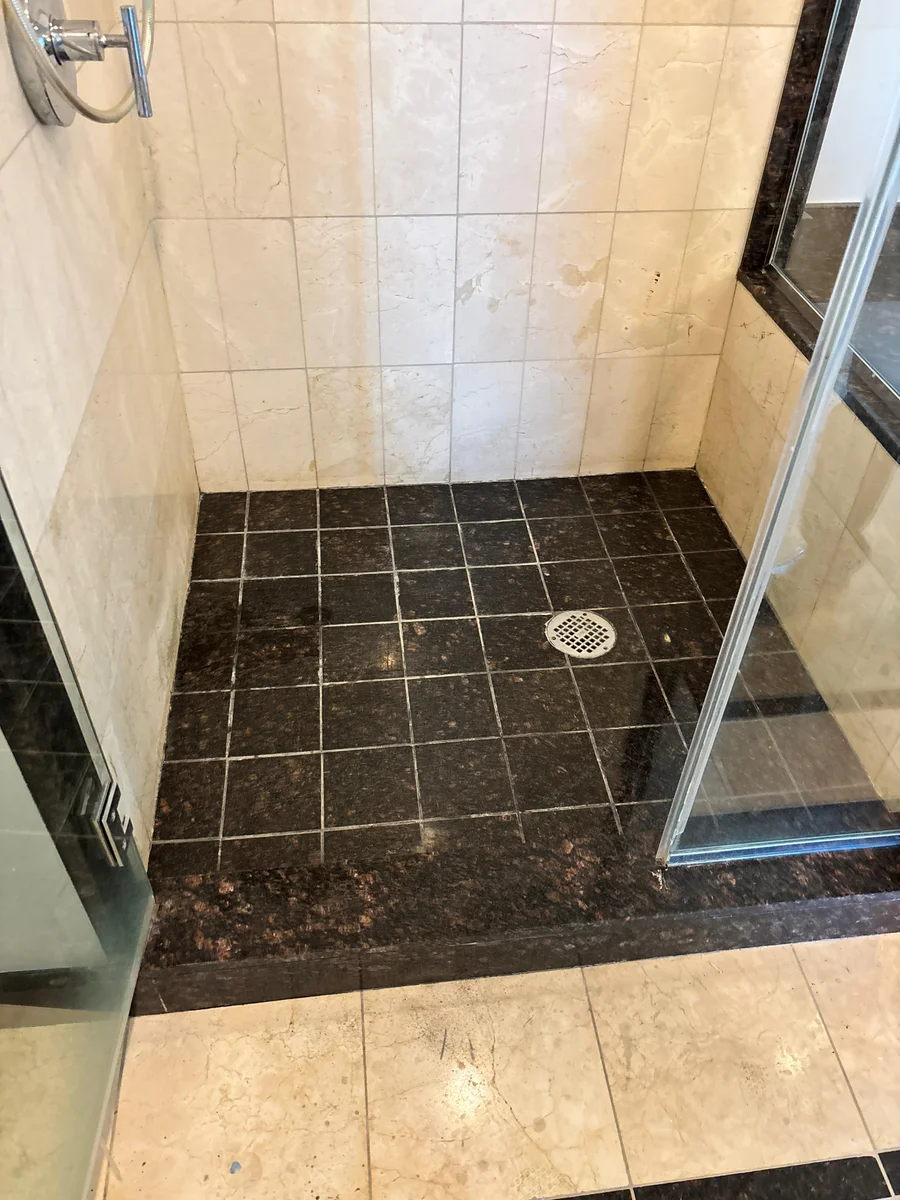
Spotting the Signs Your Tile and Grout Need Professional Cleaning
Most folks call us after they've already tried everything in the cabinet. Scrub brush, vinegar, that one grout pen from the hardware store. Nothing works. So how do you know when it's past the DIY stage?
Start with the grout lines themselves. If they've gone from light gray to almost black, that's not dirt sitting on top anymore. That's soil packed deep into the porous surface. Regular mopping only pushes grime around once it gets to that stage.
- Grout that looks darker no matter how much you scrub it
- A musty smell in the bathroom that lingers after cleaning
- Tile that feels gritty underfoot even right after mopping
- Discoloration around shower floors or kitchen backsplashes
- White haze or dullness across the tile surface itself
We see a lot of Chester homes built in the 1990s and early 2000s with builder-grade porcelain tile in entryways and kitchens. That original grout was never sealed well to begin with. Add Central Virginia's humid summers, and bathroom grout especially takes a beating from trapped moisture and mildew.
Here's the thing about grout: it's basically a sponge with sand in it. Once soil, oil, and mildew work their way in, surface cleaning can't reach it anymore.
Another sign? Your tile used to shine after mopping, now it just looks flat. That dullness usually means a buildup of cleaner residue mixed with fine grit, layer after layer, until the tile can't reflect light the way it should. It's the same thing, years of well-meaning cleaning products that never fully rinse away.
When Regular Mopping Is Still Enough
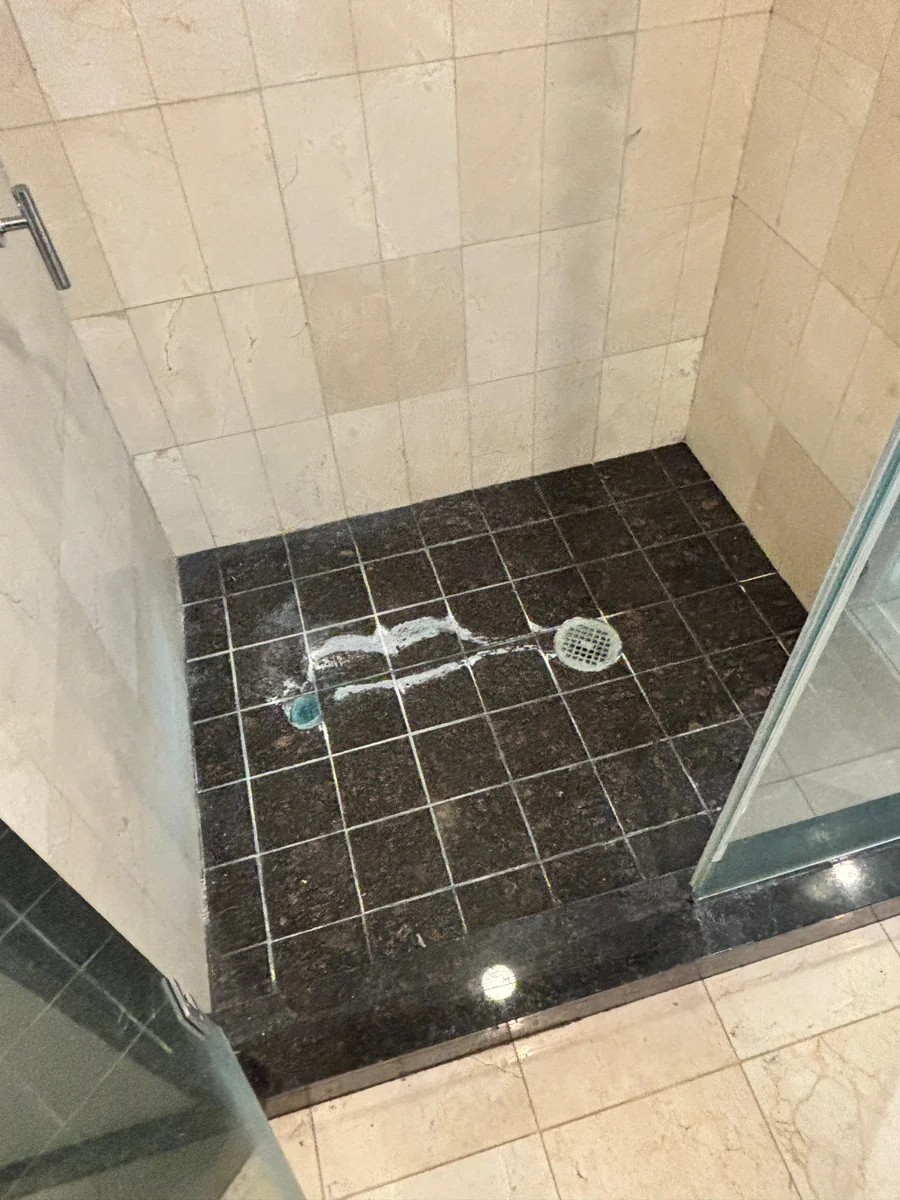
Let's be honest here. Not every tile floor needs a professional. If you're mopping once a week with a decent cleaner and your grout still looks close to its original color, keep doing what you're doing.
Here's a simple test. Grab a wet paper towel and rub it across a few grout lines in your kitchen or bathroom. If the towel picks up a little dirt but the grout underneath still looks lighter and clean, you're fine. Regular mopping is handling it. Save your money.
Newer homes around Chester, especially in some of the tile-heavy bathrooms built in the last decade, often still have sealed grout doing its job. Sealer typically holds up for two to three years under normal foot traffic before it starts breaking down. If your tile was installed recently or resealed not long ago, you probably don't need us yet.
So when should you just keep mopping? A few signs:
- Grout color looks even across the whole floor, no dark patches near sinks or entryways
- No lingering musty smell in bathroom tile joints
- Water beads up on the grout instead of soaking in right away
- You can still see the original grout color, not just gray or brown
We get calls sometimes from folks who just want a second opinion before spending money they don't need to spend. That's a fair question to ask, and we'd rather tell you the truth than talk you into a job your floor doesn't need yet.
But if that water isn't beading anymore, or the towel test leaves your grout looking dingy no matter how hard you scrub, that's a different story. That's embedded soil sitting down in the porous grout itself, and no amount of mopping pulls that back out.
Why Porcelain and Natural Stone Need Different Cleaning Approaches
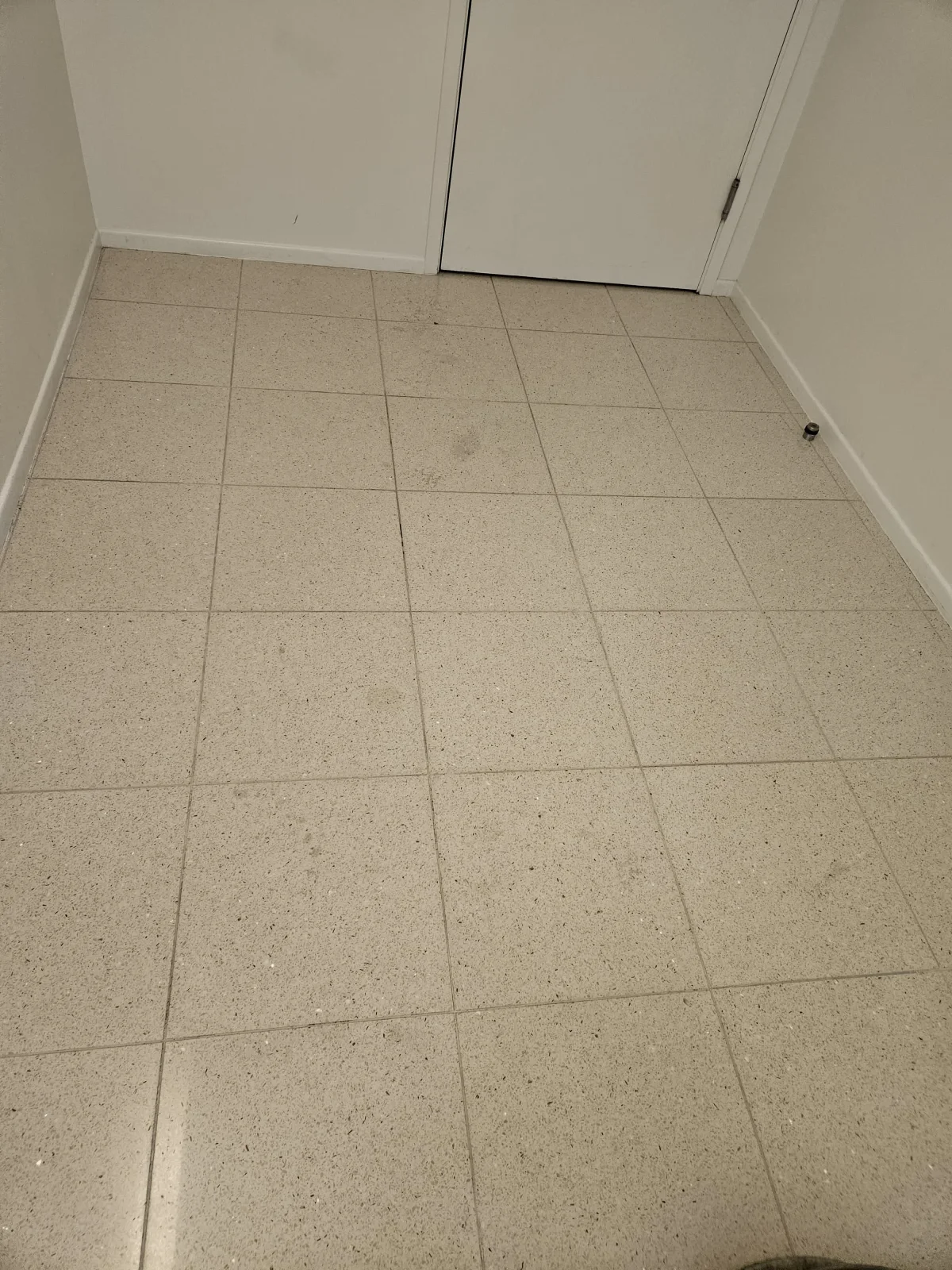
Here's something a lot of homeowners don't know until it's too late. Porcelain tile and natural stone tile are not the same material, and they don't react the same way to cleaning products. Porcelain is hard, dense, and pretty forgiving. Marble, travertine, and limestone tile are soft and reactive. Hit stone with the wrong acidic cleaner, even a "safe" grocery store spray, and you can etch it permanently. That dull, cloudy spot doesn't wipe off. It's actual damage to the surface.
We see this every week, usually in older Chester homes with travertine entryways or marble accent floors near a fireplace. Someone mops with a vinegar solution because that's what a blog told them, and now there's a ring of etching right where the water sat. Vinegar, lemon juice, most bathroom cleaners, they're all acidic enough to dull stone. Porcelain shrugs that stuff off. Stone doesn't.
Grout adds another layer to this. Grout is porous no matter what tile sits on top of it, and it soaks up dirt, grease, and moisture over years. Chester's humid summers push more moisture into bathroom and kitchen grout lines than a lot of folks realize, and that speeds up staining and mildew in grout that hasn't been sealed.
So the cleaning approach has to match the material. Porcelain tile and grout cleaning can handle stronger mechanical scrubbing. Natural stone floor restoration calls for pH-neutral products, gentler methods, and knowing exactly how far you can push it before you cause etching instead of fixing it. That's the whole reason IICRC certification in stone, masonry, and ceramic tile care matters. It's not just cleaning. It's knowing which surface you're standing on.
What a Professional Tile and Grout Cleaning Visit Involves
Most homeowners picture a mop and some bleach. That's not what we do.
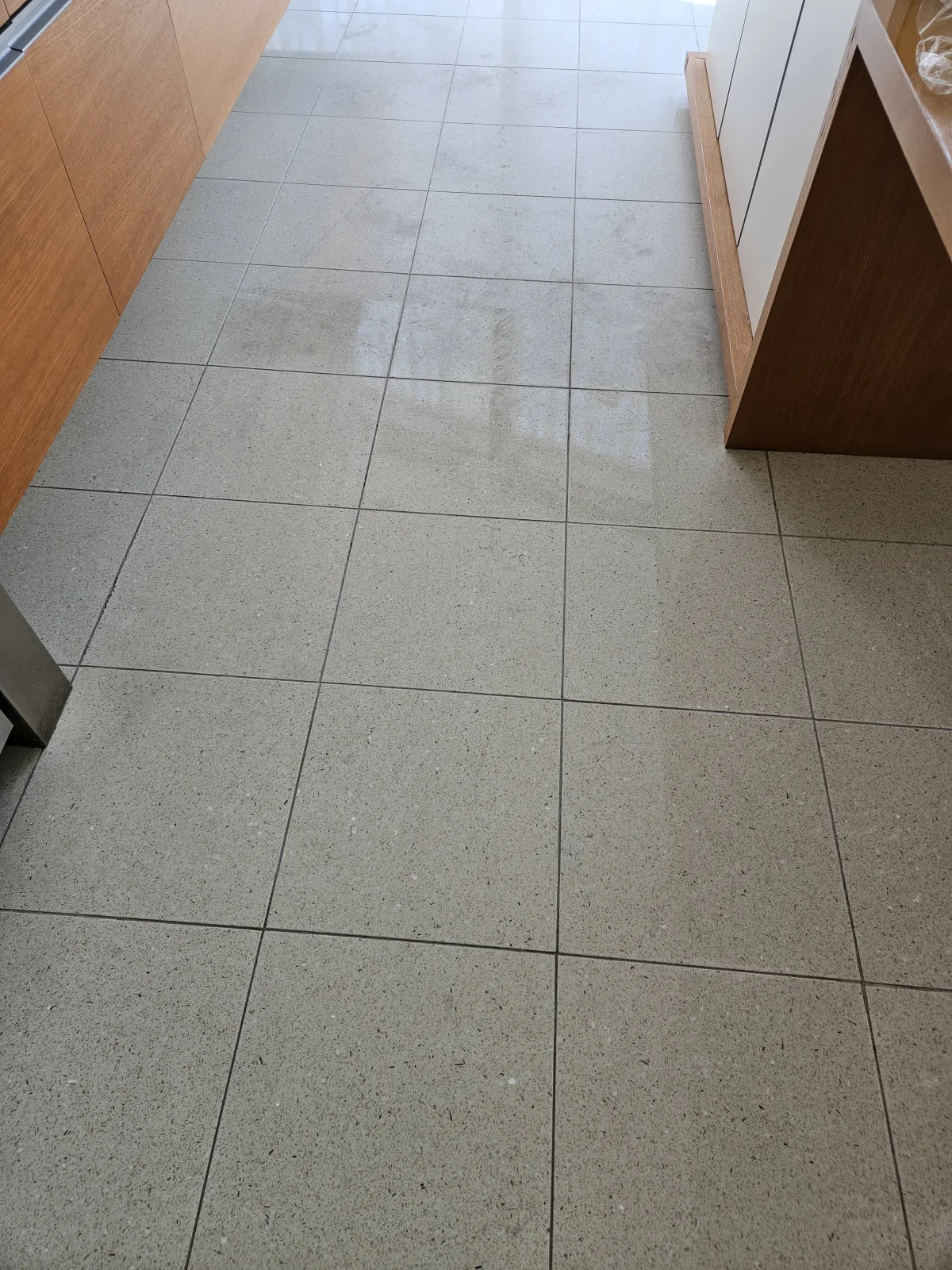
We start by walking the floor with you, or looking at the photos you texted us, to figure out what kind of tile and grout we're dealing with. Porcelain acts different than natural stone tile. Sanded grout acts different than unsanded. Get that wrong and you can damage the surface instead of restoring it - so this step matters more than people think.
Once what we're working with, here's roughly how the visit goes:
- We test a small, hidden area first to check how the tile and grout react to our cleaning solution
- We apply a professional-grade cleaner made to break down embedded soil without stripping sealant
- We agitate the grout lines with equipment built for this, not a household scrub brush
- We extract the dirty solution and rinse so nothing gets left behind to dry dull
- We inspect the grout for cracks, gaps, or missing sealant while everything's still visible and clean
That last step catches things a lot of homeowners miss. Grout that's cracked or missing sealant lets water sit underneath the tile, and in older Chester homes with slab foundations and basement-level tile floors, that trapped moisture is exactly what leads to lifting and staining down the road. If we spot that during the visit, we'll flag it and talk sealing with you before we pack up.
We're IICRC certified in ceramic tile care, so we're not guessing at chemical ratios or dwell times. Every surface gets treated based on what it is, not a one-size-fits-all rinse. And because we're licensed and insured, you're covered while we're in your home working around cabinets, baseboards, and grout lines that took years to build up that grime in the first place.
Humidity, Mold, and Sealing in Chester's Older Homes
Chester sits close to the James River, and that means summer humidity sticks around longer than folks expect. Homes built before the 1990s, especially the older sections near Chester Village, often have bathrooms with grout that was sealed once, if at all. Grout is porous. Think of it like a sponge made of sand and cement. Without a sealer, it soaks up moisture every time someone showers, and that moisture doesn't always dry out between uses.
Here's what happens next. Trapped moisture feeds mold spores that are already floating around in every bathroom. You'll see it first as dark speckles along the shower floor grout lines, sometimes creeping up the wall joints too. Homeowners think bleach fixed it. It didn't. It just bleached the surface color. The mold living inside the grout's pores stays put and comes back within weeks.
Basements are another problem spot around here. Older Chester homes with tile-floored basements or laundry rooms can pull moisture up through the slab, especially after a wet spring. That moisture pushes salts and soil right into the grout from underneath, which looks like staining but is really a humidity issue wearing a disguise.
Our grout cleaning process pulls out the embedded soil and dead mold first. Then we apply grout sealing so the surface resists water going forward instead of just looking clean for a month. Sealing isn't a one-time fix you forget about. In wet areas like showers, we generally recommend resealing on a schedule, since daily water exposure wears sealers down faster than a hallway or kitchen floor ever would.
If your grout looks dingy no matter how hard you scrub, that's usually a sealing problem, not a scrubbing problem.
Measured steps.
A considered result.
- Share the surface
Send a full view and a close-up of the concern.
- Confirm the material
Identify what it is before choosing a method.
- Set the scope
Separate cleaning, finish work, and repair needs.
- Refine with care
Use a process compatible with the existing surface.
- Review the finish
Inspect the result and discuss ongoing care.
Clarity before
the visit.
How do I know if my Chester home needs professional tile and grout cleaning?
Check your grout lines first. If they've turned dark gray or black no matter how much you scrub, that's soil packed deep into the porous surface, not surface dirt. Try the wet paper towel test on a grout line. If it still looks dingy after wiping, mopping alone won't fix it. Many Chester homes built in the 1990s and early 2000s have builder-grade porcelain that was never sealed well, so this shows up faster in kitchens and entryways.
What should I expect when a tile and grout cleaning technician arrives?
We start by walking the floor with you or reviewing photos you've sent to identify your tile and grout type first. Porcelain and natural stone react differently to cleaning products, so this step protects your floor. We test a hidden area, apply a professional-grade cleaner, agitate the grout with proper equipment, then extract and rinse so nothing dries dull. We also check for cracks or gaps in the grout while we're there.
Why does grout in Chester bathrooms get dirty so fast?
Central Virginia's humid summers push extra moisture into bathroom and kitchen grout lines, which speeds up staining and mildew growth. Grout is porous, basically a sponge with sand in it, so trapped moisture combined with soil and oil works deep into the surface over time. This is especially common in older Chester homes where original grout was never sealed properly. That's why bathroom grout often looks darker than kitchen grout in the same house.
Can I use vinegar or lemon juice to clean my tile floors?
You can on porcelain, but never on natural stone like marble, travertine, or limestone. These materials are soft and reactive, and acidic cleaners can etch the surface permanently, leaving a dull, cloudy spot that won't wipe away. We see this often in older Chester homes with travertine entryways or marble accent floors, usually after someone tried a vinegar solution from a blog. Stick to pH-neutral products on stone tile.
How long does sealed grout typically last before it needs attention again?
Grout sealer usually holds up for two to three years under normal foot traffic before it starts breaking down. If your Chester home has newer tile or was resealed recently, you likely don't need professional cleaning yet. Signs it's still working include even grout color throughout the floor and water beading up on the grout instead of soaking in. Once that beading stops happening, soil has started working into the porous surface again.
Is professional cleaning different for porcelain tile versus natural stone floors?
Yes, porcelain can handle stronger mechanical scrubbing, while natural stone needs gentler, pH-neutral methods to avoid etching. Grout underneath both materials is porous and soaks up dirt and moisture the same way, but the tile itself sets the rules for what products and pressure are safe. Knowing the difference between sanded and unsanded grout, and porcelain versus stone, matters more than most homeowners realize before any cleaning begins.