
Marble Floor Polishing in Chester: Bring Back the Shine Without Tearing It Out
Marble floor polishing in Chester restores natural shine without costly replacement. Precision Floor and Surface comes to you. Call to schedule.
Google Reviews
Scroll to read all 9 reviews →
“Great work and even better customer service. Very professional, easy to work with, and you can tell they take pride in what they do. Definitely recommend Precision Floor & Surface Restoration if you need your floors or countertops brought back to life.”★★★★★
“Absolutely amazing work! From start to finish, everything was handled professionally and with great attention to detail. They took the time to make sure everything was done right, and the results speak for themselves. The floors and surfaces came out looking incredible, and you can tell they genuinely take pride in their work. I couldn’t be happier with the finished product and would definitely recommend them to anyone looking for quality work and great service. Five stars all the way! ⭐⭐⭐⭐⭐”★★★★★
“Precision Floor & Surface Restoration exceeded my expectations! Professional, punctual, and detail-oriented from start to finish. My floors look amazing, and the quality of work was outstanding. Highly recommend to anyone looking for top-notch floor and surface restoration services.”★★★★★
“Removed stains that previous cleaning services could not. Made the impossible - possible!”★★★★★
“Great quality work! Very professional with communication!!”★★★★★
“Clean and very professional. Highly recommend”★★★★★
“I highly recommend his floor cleaning services! He’s reliable, professional, and does an excellent job. My floors looked amazing, and I couldn’t be happier with the results.”★★★★★ ★★★★★
Signs Your Marble Floor Needs Professional Attention
Marble doesn't fail all at once. It fades a little at a time, and most homeowners don't notice until guests are standing right on top of it. Look at the areas that get the most foot traffic: your entryway, the path from the kitchen to the dining room, in front of the sink. See dull, cloudy patches where the surface used to shine? That's usually the first sign.
Etching is the big one we get called about. It happens when something acidic, wine, coffee, even lemon juice, sits on the marble and eats into the calcium carbonate. It leaves a dull spot or a faint ring that won't buff out with a mop or a store-bought polish. Folks think it's a stain and scrub harder. That only makes it worse.
Then there's the gray, tired look that spreads across a whole room. That's usually embedded soil, grit ground into the pores of the stone over months of walking on it. In older Chester homes near the historic districts along the river, we see humidity swings do a number on marble entryways too. They open up hairline pores that trap dirt faster.
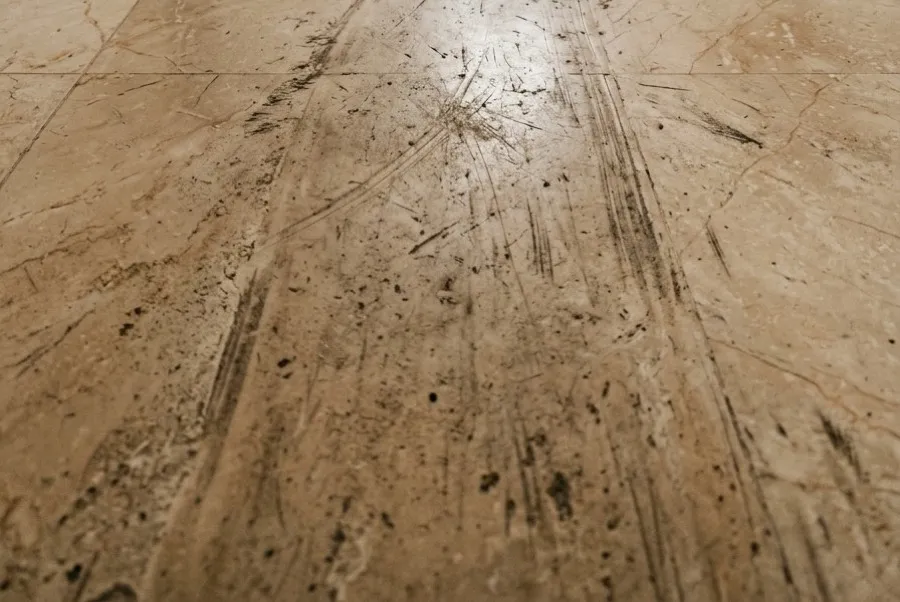
Scratches from furniture legs, pet nails, or grit tracked in on shoes are another sign. So is a floor that looks fine in photos but feels rough or gritty underfoot.
Here's a simple gut check:
- Cloudy or dull spots that don't respond to mopping
- Ring marks near sinks, bars, or plant stands
- A gray cast across high-traffic areas
- Rough texture you can feel with bare feet
- Scratches that catch light at an angle
Not sure if what you're seeing is etching or just a bad wax buildup? That's a really common question. A photo tells us more than a phone description ever could.
When a Simple Cleaning Beats Full Polishing
Not every dull marble floor needs a full polish. We say this even though it costs us the bigger job sometimes.
Here's the honest truth: if your marble looks hazy but there's no visible scratching or dullness that catches light at an angle, you might just have surface soil buildup. Soap scum, dust, and everyday foot traffic leave a film on marble that makes it look tired. A deep clean pulls that film off and the shine underneath comes right back. No grinding, no honing powder, no equipment that removes actual stone material. Just a thorough clean with the right pH-neutral products for natural stone.
So how do you tell the difference? Run your hand across the floor in bright daylight. Does it feel gritty or greasy rather than scratched? That's soil, not damage. Do you see dull patches shaped like water rings, especially near a kitchen sink or bathroom vanity? That's often etching from acidic spills, not general wear. It calls for a different approach than a basic clean.
- Floor looks cloudy but feels smooth to the touch
- Shine returns temporarily after mopping, then fades within a day or two
- No visible scratch lines when you view the surface under raking light
- Marble was installed within the last few years and hasn't seen heavy traffic
Honing, Polishing, and Resealing: Choosing the Right Fix
Not every dull marble floor needs the same treatment. This trips people up, so let's break it down plain.
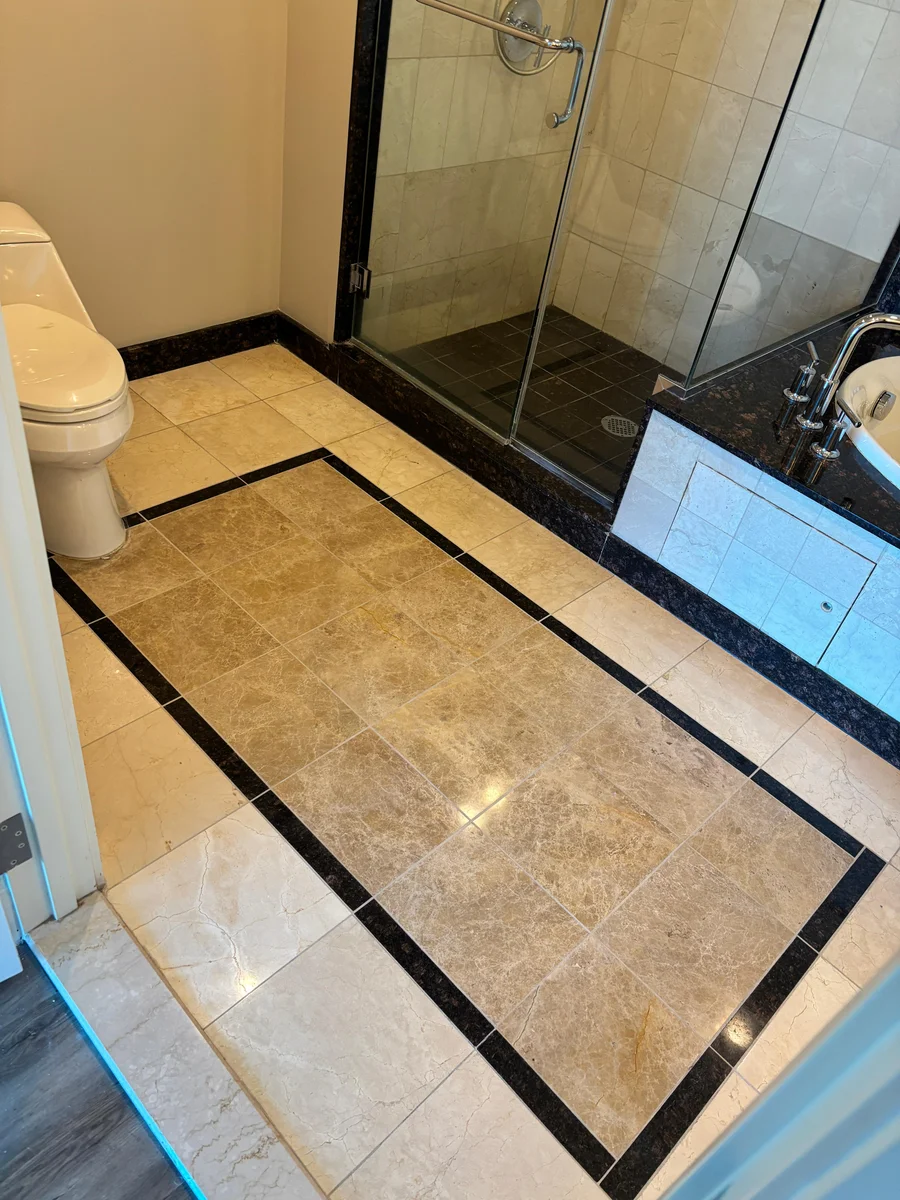
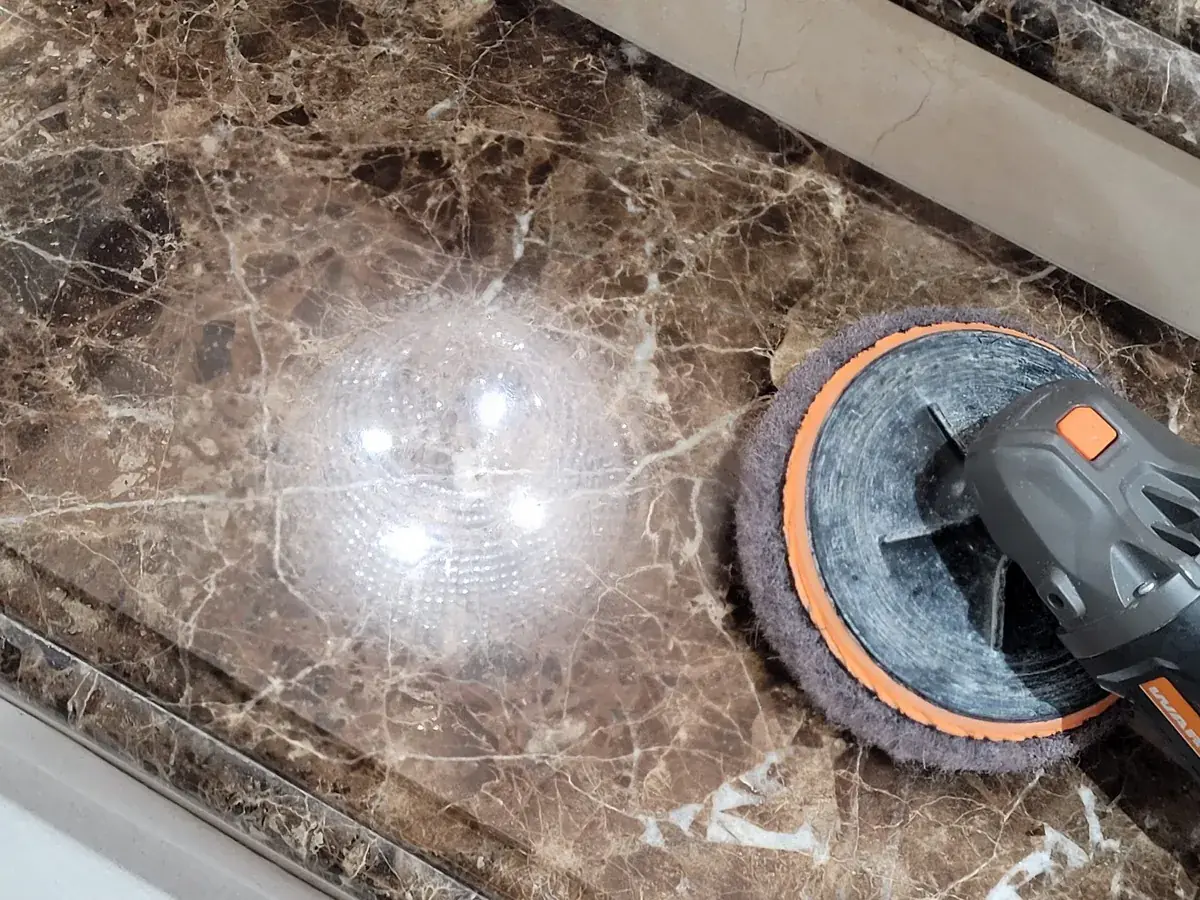
Honing comes first when a floor has deep scratches, heavy etching, or an uneven surface you can feel with your bare foot. It's a grinding process using progressively finer abrasives that physically levels the stone. Think of it as resetting the marble back to a flat, blank surface. If your floor has watermark rings from an old vase or dark etch spots near a wet bar, honing is what removes that damage instead of just hiding it.
Polishing comes after honing, or on its own if the stone is already flat but just looks flat and lifeless. This step uses finer compounds and buffing pads to bring back that reflective shine marble is known for. We get calls all the time from folks in Chester who say their floor "looks cloudy" even after mopping it. That's not a cleaning problem. That's the polish layer worn down from years of foot traffic, and no amount of scrubbing fixes it.
Sealing is the last piece, and skipping it is a mistake we see often. Marble is porous. Without a sealer, it soaks up spills, grout haze, and grease like a sponge, then it etches and stains faster next time. Sealing after honing and polishing locks in the work and slows down future damage. It doesn't make marble stain-proof. But it buys you real time between deep restorations.
So how do you know which combination you need? That's why we ask for photos first. A quick close-up shot tells us if we're looking at surface haze, real etching, or physical wear. Some floors just need a buff and reseal. Others need the full honing pass before anything else makes sense.
What Happens During Marble Floor Polishing in Chester
Here's the truth about marble: it's not hard, it's soft. That's why lemon juice, vinegar cleaners, and even standing water can leave a dull gray ring called etching. It's not dirt. It's a chemical burn on the stone itself, and no amount of mopping fixes it. We see this every week on foyer floors and kitchen counters across Chester.
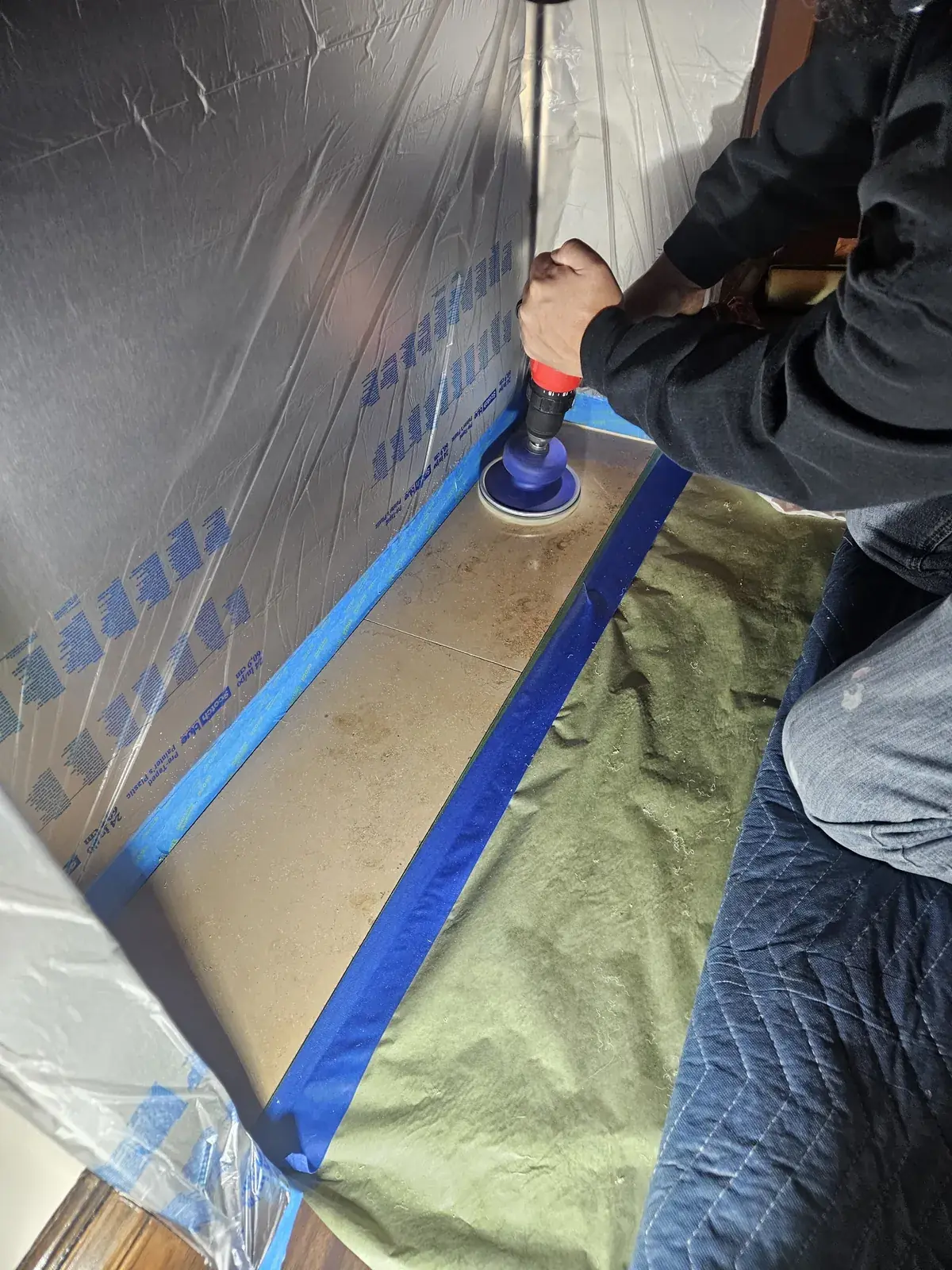
So what happens when we polish it? The process runs in stages, not one quick buff.
- We inspect the slab first, checking for etching, pitting, cracks, and how thin the stone has gotten from years of foot traffic.
- Deep cleaning comes next, pulling embedded soil out of the pores before any polishing starts.
- If the surface has scratches or heavy wear, we hone it flat using progressively finer diamond abrasives.
- Then we polish, building the shine back up in stages until the stone reflects light the way it did new.
- Last step is sealing, which slows down future etching and staining. It won't make marble stain-proof.
Older homes near Chester's historic district often have marble thresholds or foyer floors original to the house, and decades of Central Virginia's humid summers and dry winters cause the stone to expand and contract slightly. That movement opens up hairline cracks over time, so the inspection step matters before anything else touches the floor.
Our team is IICRC-certified in stone care. That matters here because honing marble wrong can grind away material you can't put back.
Not every floor needs the full sequence. Sometimes it's just a clean and reseal, sometimes it's the whole process start to finish. We'll tell you which one you need, not which one costs more.
How Marble Floor Polishing Pricing Works
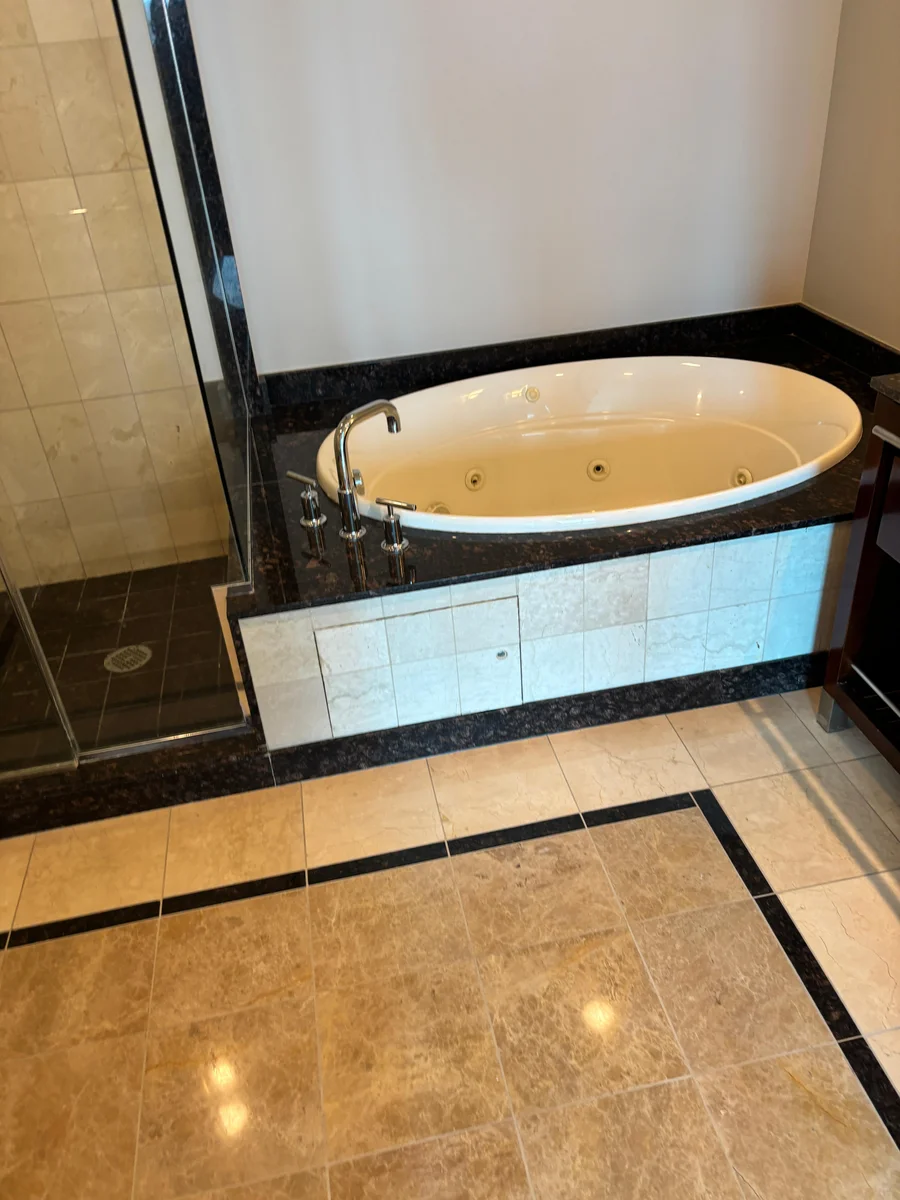
Here's the honest answer: marble floor polishing pricing depends on what we find once we're standing on it. Square footage matters, sure. So does the marble's condition, how deep the etching goes, and whether we're dealing with honing work before we ever get to polishing. A foyer with light traffic wear costs less to bring back than a kitchen floor that's been mopped with the wrong cleaner for ten years.
Most stone restoration pros price by square foot, then adjust for labor-heavy problems like deep scratches, pitting, or old sealant that has to come off first. A marble floor with heavy etching from acidic spills needs more passes with finer grits, and that adds time. Grout lines between marble tile can also shift the estimate if they need cleaning or resealing alongside the stone.
We keep our quoting simple. Text us a few photos and a rough size, and we'll get you a free estimate without ever setting foot in your home. Phone calls work too, if you can walk us through what's going on. No pressure, no sales pitch, just a number based on what we see.
Sometimes photos aren't enough - deep gouges, uneven wear patterns, or a floor that's been "fixed" before by someone without the right training. In those cases, we'll come take a look in person. That visit runs between $75 and $125, and it gets applied straight to the job if you move forward. You're not paying twice.
Ask any contractor how they price stone work before you hire them. If they can't explain the difference between polishing and honing, or why etching changes the labor, that's a red flag worth noting.
Measured steps.
A considered result.
- Share the surface
Send a full view and a close-up of the concern.
- Confirm the material
Identify what it is before choosing a method.
- Set the scope
Separate cleaning, finish work, and repair needs.
- Refine with care
Use a process compatible with the existing surface.
- Review the finish
Inspect the result and discuss ongoing care.
Clarity before
the visit.
How do I know if my marble floor needs polishing instead of just a cleaning?
Run your hand across the floor in bright light and check for grit or scratches. If it feels smooth but looks hazy, a deep clean probably fixes it. If you feel rough patches or see ring marks near sinks and bars, that's usually etching or wear that only polishing can correct. We always ask for a close-up photo before we book a job, since it tells us more than a phone call ever could.
What should I expect when you arrive to polish my marble floor?
We start by inspecting the whole slab for etching, pitting, and thin spots before touching a single tool. Next comes a deep clean to pull soil out of the pores, then honing if the surface needs leveling. After that we polish in stages and finish with a sealer. Furniture usually needs to be cleared from the room ahead of time, and we'll walk you through each stage as we go.
Do older Chester homes need special care for marble floors?
Yes, especially homes near the historic district along the river. Central Virginia's humid summers and drier winters make marble expand and contract slightly over the year. That movement opens up tiny pores in the stone, so foyer floors and thresholds in these older homes trap dirt and etch faster than newer installations. Regular sealing after polishing helps slow this down and protects the original stone longer.
How long does marble floor polishing take?
Most jobs run through several stages in one visit, but timing depends on how much honing the floor needs first. A floor with just surface haze moves faster than one with deep scratches or heavy etching that requires grinding down with finer abrasives. We can give you a better timeline once we see photos or take a look at the actual condition of your floor.
Will polishing my marble floor be messy or noisy?
There's some noise during honing since it uses diamond abrasive pads to level the stone, but it's not a jackhammer situation. Dust and slurry stay contained to the work area, and we clean up as we go so your home isn't left with a mess. If your floor only needs a deep clean and polish without honing, the process is quieter and quicker overall.