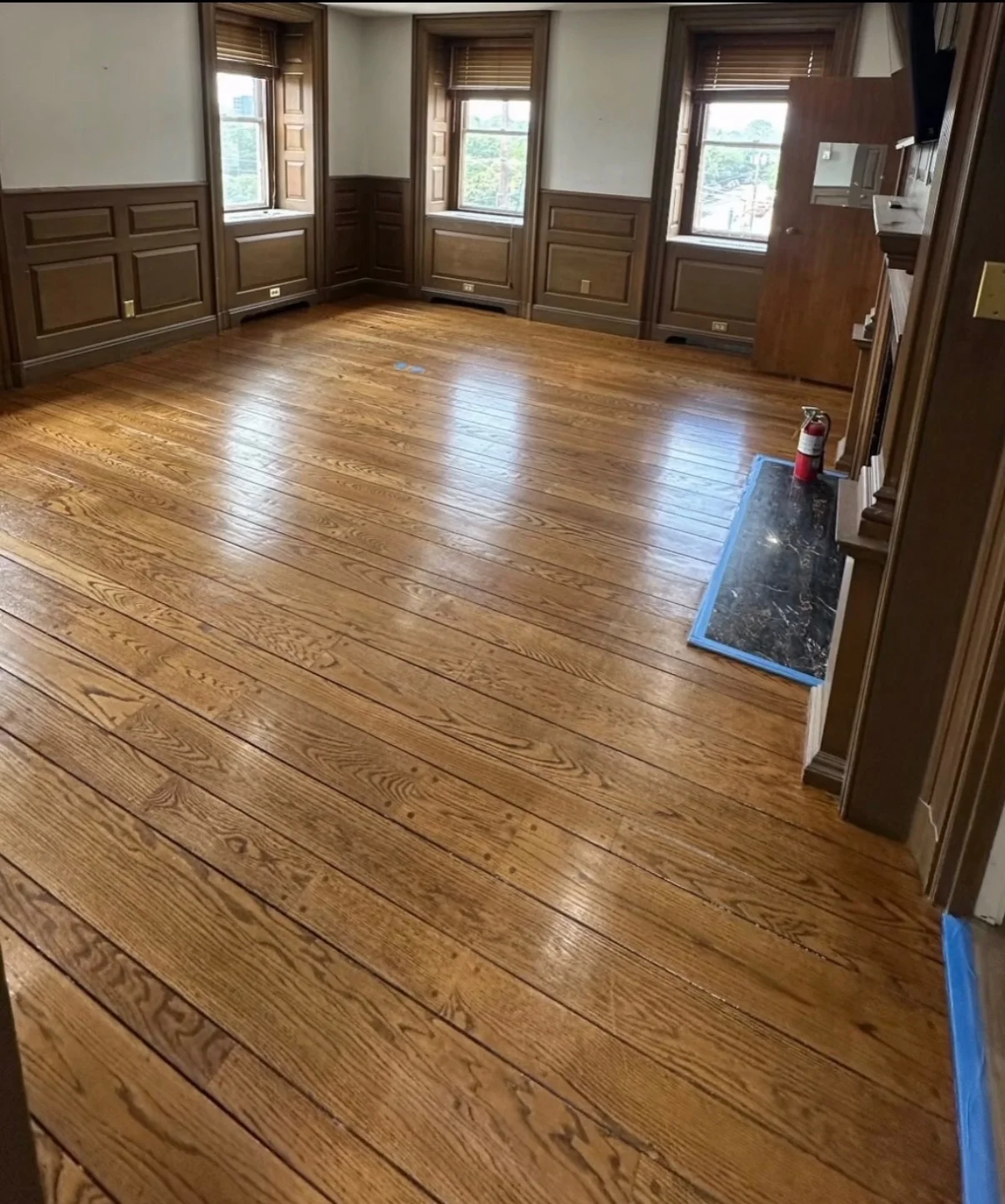
Practical surface guide
The Finishes We Use on Hardwood Floors: Two-Component Polyurethane Explained
Choosing a hardwood floor finish means deciding how the floor should look, how it will handle daily use, and when you can use the room again. We use professional two-component finishes on suitable floors and assess the existing coating before recommending the work.
What Our Customers Say on Google
Scroll to read all 9 reviews →
“Great work and even better customer service. Very professional, easy to work with, and you can tell they take pride in what they do. Definitely recommend Precision Floor & Surface Restoration if you need your floors or countertops brought back to life.”★★★★★
“Absolutely amazing work! From start to finish, everything was handled professionally and with great attention to detail. They took the time to make sure everything was done right, and the results speak for themselves. The floors and surfaces came out looking incredible, and you can tell they genuinely take pride in their work. I couldn’t be happier with the finished product and would definitely recommend them to anyone looking for quality work and great service. Five stars all the way! ⭐⭐⭐⭐⭐”★★★★★
“Precision Floor & Surface Restoration exceeded my expectations! Professional, punctual, and detail-oriented from start to finish. My floors look amazing, and the quality of work was outstanding. Highly recommend to anyone looking for top-notch floor and surface restoration services.”★★★★★
“Removed stains that previous cleaning services could not. Made the impossible - possible!”★★★★★
“Great quality work! Very professional with communication!!”★★★★★
“Clean and very professional. Highly recommend”★★★★★
“I highly recommend his floor cleaning services! He’s reliable, professional, and does an excellent job. My floors looked amazing, and I couldn’t be happier with the results.”★★★★★ ★★★★★
What Does the Protective Finish Do for Your Hardwood Floor?
Polyurethane forms the clear wearing surface over your wood floor. It takes the day-to-day abrasion that would otherwise reach the color and wood beneath it. When that surface becomes thin in busy areas, cleaning alone cannot put the protection back.
We first check whether the problem is dirt, a layer of old cleaning products, or wear in the finish itself. A cloudy floor may need buildup removal. A suitable floor with worn protection may need a screen and recoat. Missing color needs its own assessment before a clear finish goes over it.
What Is Two-Component Polyurethane, and What Does the Hardener Do?
A two-component finish, also called 2K, has a base finish and a separate hardener. The two are mixed before application. The hardener reacts with the finish as it cures, helping it develop the resistance specified for that product.
The mixing ratio and working time come from the manufacturer. Adding extra hardener is not a way to improve the result. Two components describes the materials mixed together; it does not tell you how many coats your floor receives.
Why We Choose These Finishes for Our Floor Work
We choose these finishes because we want the renewed surface to hold up to regular use. LOBA is one of the brands we use. Our product choice takes the existing floor and the work it needs into account, along with the appearance you prefer.
Many of our customers choose matte or satin. We discuss that choice separately from protection: the amount of shine does not, by itself, tell you how well a finish will wear. Ask us which product we recommend for your floor and why it fits the job.
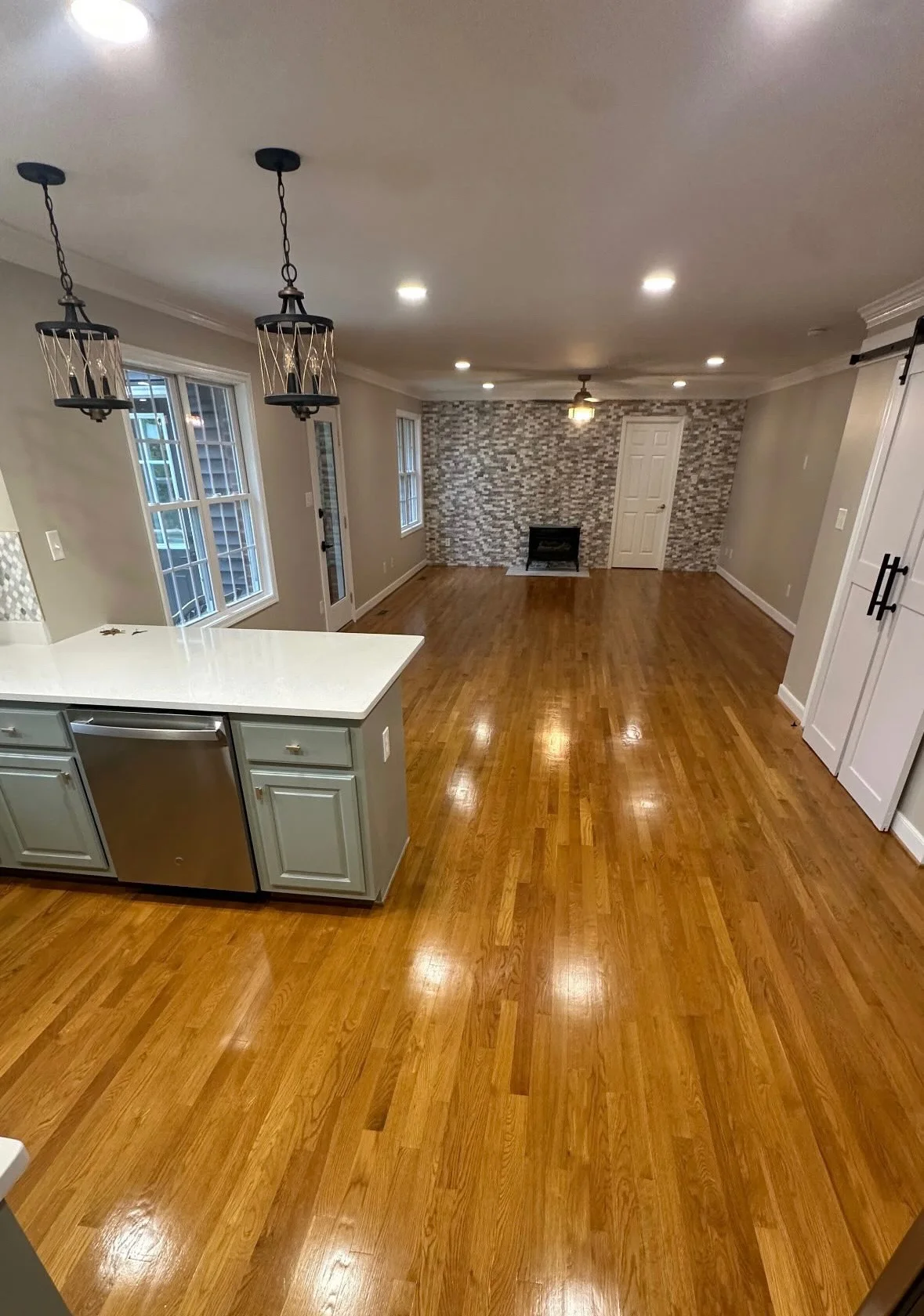
How We Decide Which Finish Is Compatible With Your Floor
Tell us what you have used to clean the floor and whether anyone has applied wax, polish, or a product intended to restore shine. That history helps explain what is sitting on the surface. We also examine worn areas and compare them with parts of the room that have had less traffic.
A new coating needs a suitable surface underneath. Manufacturer guidance can require a test area to check adhesion and appearance. An existing floor is not automatically ready for another coat just because the new product is polyurethane.
How Preparation and Application Affect the Result
If cleaning products have left a film, we address that buildup before screening. For a suitable recoat, we lightly abrade the existing finish rather than sand the whole floor down to bare wood. The aim is to prepare the surface while retaining the underlying color.
Dust removal and an even application matter too. The coating goes on at the product's recommended coverage rate, with the required drying time between stages. Where color correction is part of the job, we assess and address that separately before applying the protective finish.
How Many Coats Does Your Floor Need?
The answer depends on the existing surface, the work being done, and the selected product's instructions. Renewing an intact coating is a different starting point from building a finish on bare wood. A coat count from a new-floor project may not describe your recoat.
During your assessment, ask what preparation is included, which finish will be applied, and how many applications are planned. Those details make the proposed work easier to understand than the phrase "two-component finish" on its own.
When Can You Walk on the Floor and Move Furniture Back?
Dry enough for another coat and fully cured are different stages. Room temperature, humidity, ventilation, and coat thickness can affect the schedule. Follow the instructions for the finish actually applied to your floor.
Before work starts, discuss access through the room, furniture, pets, and rugs. Ask for the timing of light foot traffic, furniture replacement, and the first damp cleaning. Keep rugs off until the coating has reached the cure stage specified by the manufacturer. A floor that feels dry may still be developing its final resistance.
Our guide to screen and recoat timing helps you plan the work, room access and return-to-use milestones.
How to Care for Your Floor After Coating
Remove loose grit with a soft broom, suitable vacuum attachment, or dry mop. Use the cleaner recommended for your finish when damp cleaning is allowed, and avoid leaving water on the floor. Check furniture felt pads for embedded dirt and wear.
Before adding a product that promises extra shine, check whether it belongs in your floor's care routine. Repeated applications can leave a film that changes the appearance and complicates future recoating. If traffic areas start looking different, send us photos and tell us what you have been using so we can help identify the next step.