
Tile Floor Polishing in Chester: Restore Your Tile's Shine Without Replacement
Tile floor polishing in Chester that restores shine without costly replacement. Skilled technicians come to your home. Call today to schedule your service.
Google Reviews
Scroll to read all 9 reviews →
“Great work and even better customer service. Very professional, easy to work with, and you can tell they take pride in what they do. Definitely recommend Precision Floor & Surface Restoration if you need your floors or countertops brought back to life.”★★★★★
“Absolutely amazing work! From start to finish, everything was handled professionally and with great attention to detail. They took the time to make sure everything was done right, and the results speak for themselves. The floors and surfaces came out looking incredible, and you can tell they genuinely take pride in their work. I couldn’t be happier with the finished product and would definitely recommend them to anyone looking for quality work and great service. Five stars all the way! ⭐⭐⭐⭐⭐”★★★★★
“Precision Floor & Surface Restoration exceeded my expectations! Professional, punctual, and detail-oriented from start to finish. My floors look amazing, and the quality of work was outstanding. Highly recommend to anyone looking for top-notch floor and surface restoration services.”★★★★★
“Removed stains that previous cleaning services could not. Made the impossible - possible!”★★★★★
“Great quality work! Very professional with communication!!”★★★★★
“Clean and very professional. Highly recommend”★★★★★
“I highly recommend his floor cleaning services! He’s reliable, professional, and does an excellent job. My floors looked amazing, and I couldn’t be happier with the results.”★★★★★ ★★★★★
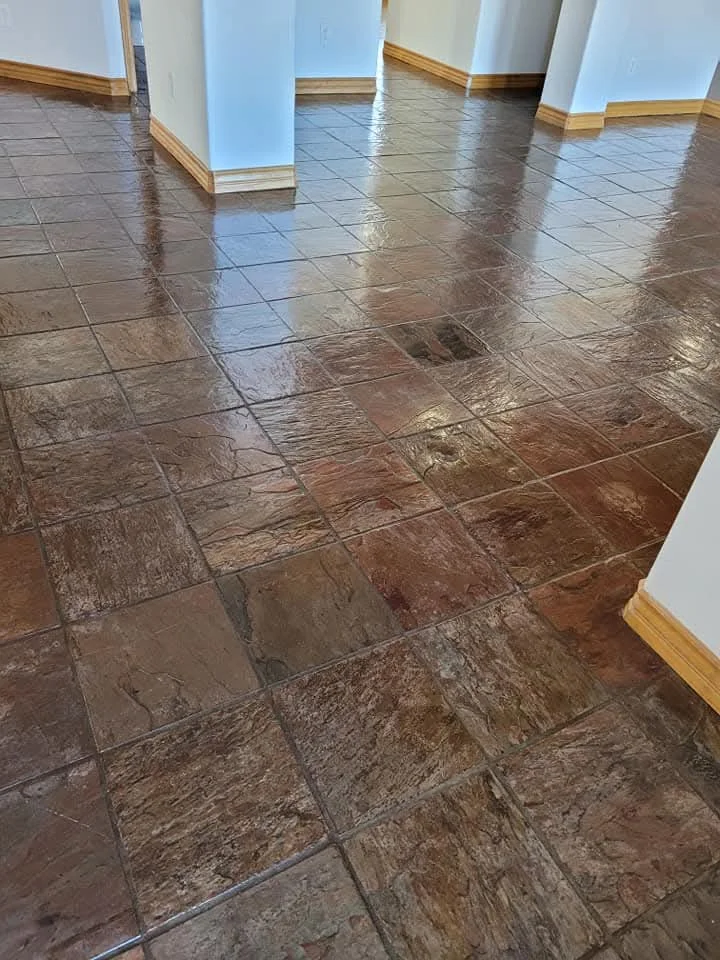
Signs Your Tile Floor Needs Professional Polishing
Most homeowners wait too long. They notice the floor looks "off" for months before they call someone. That gap costs you because dull tile usually means the surface is holding onto soil you can't see.
Here's what we hear on the phone almost every week. "It looked clean when I mopped it, but it still looks dirty." That's a classic sign of embedded grime sitting in the grout lines and in micro-scratches across the tile itself. A regular mop can't touch that. It just moves surface dust around.
Look for these signs before you decide it's time:
- Grout lines that stay gray or dark no matter how much you scrub
- Tile that looks cloudy or hazy under kitchen or bathroom lighting
- Foot traffic paths that show up as dull streaks near doorways
- Standing water that beads up strangely instead of wiping clean
- A rough, sandy feel on tile that used to feel smooth
Chester homes built in the last couple decades often have ceramic or porcelain tile in entryways and kitchens, and that traffic wear shows up fastest right by the front door and the sink. If your grout hasn't been sealed in a few years, humidity from Central Virginia summers can push moisture into those lines and speed up staining.
Not sure if what you're seeing is just surface dirt or actual wear? That's a fair question, and the easiest way to know is to send us a photo. We can tell just by looking at how the light reflects off the tile whether it needs polishing or just a deeper clean.
Natural Stone vs. Ceramic Tile: Why Technique Matters
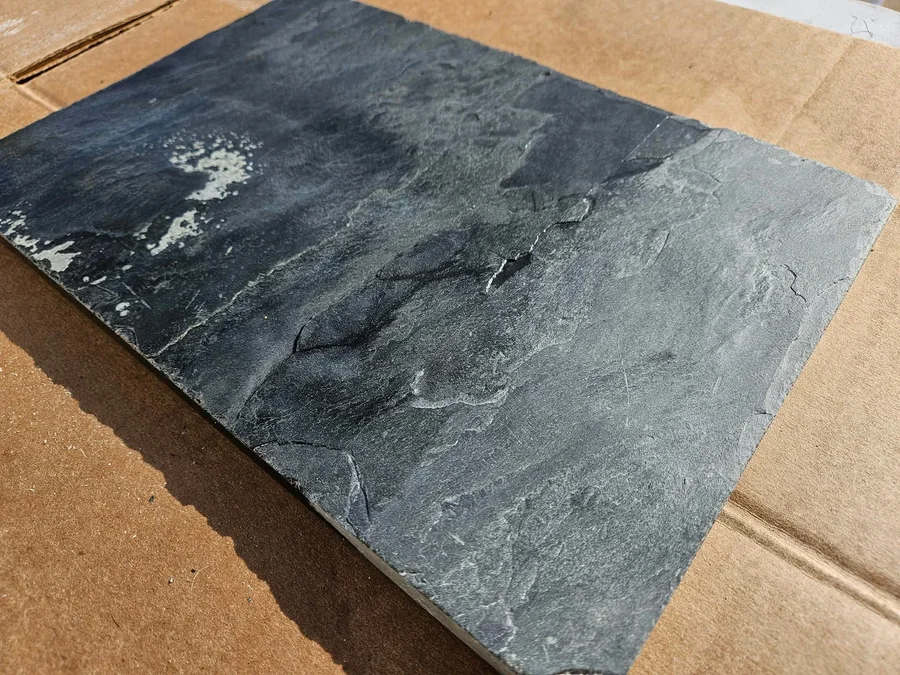
Here's something a lot of homeowners don't realize until it's too late: ceramic tile and natural stone are not the same job. They look similar on the surface, but the chemistry underneath is completely different. Ceramic tile has a hard glaze baked onto clay. Natural stone like marble, travertine, and terrazzo is calcium based, and that means it reacts to acid.
We see this mix-up constantly in Chester homes, especially the ones built in the late 1990s and early 2000s with ceramic tile entryways and kitchen floors. Someone grabs a vinegar-based cleaner because it's what grandma used, and it works fine on the ceramic glaze. But if that same bottle touches a marble threshold or a travertine hearth surround, you get etching - a dull, cloudy spot that no amount of scrubbing will fix. Once the surface is burned, it's burned. Polishing can often restore it, but the wrong chemical treatment done twice can make that harder.
This is exactly why technique has to match the material, not just the look of the floor.
Ceramic tile polishing focuses on the surface glaze and the grout lines around it. Natural stone polishing is a slower, more careful process using stone-safe compounds and the right grit sequence to bring back shine without stripping the material further. Our team is IICRC certified in stone, masonry, and ceramic tile care, which matters here because guessing wrong on the wrong floor costs you money and time.
Not sure which one you've got? Tap it with a coin. Ceramic usually sounds sharp, stone sounds duller and heavier. Or just send us a photo and we'll tell you straight, no charge for that conversation.
When Tile Polishing Isn't the Right Fix
Let's be straight with you. Not every tired-looking tile floor needs a polish, some need something else entirely, and it's worth knowing the difference before you call anyone.
If your grout lines are crumbling or missing in chunks, polishing won't fix that. Polishing brings back shine and evens out wear on the tile surface itself, it doesn't rebuild grout that's broken down structurally. That's a repair or regrouting job first. We see this a lot in older Chester homes near Ecoff Avenue, where original tile from decades back has grout that's simply reached the end of its life.
Cracked tiles are another one. A polish can't hide a crack, it'll just make the damage catch more light. If more than a few tiles are cracked or hollow-sounding when you tap them, you're looking at replacement of those pieces before any polishing makes sense.
And if the tile has deep staining that's soaked into a porous stone tile like unsealed travertine, sometimes the stain sits below the surface we can reach with polishing alone. We'll tell you if that's the case rather than run a process that won't deliver.
Water damage is the big one to watch for. Soft spots, lifting tiles, or a musty smell under the floor usually point to moisture damage below the surface. Polishing a floor that's failing from underneath just wastes your money - the real problem needs attention first.
Here's the thing though. Most of the calls we get aren't any of these. Most are dull, scratched, or dirty tile that responds great to polishing. But we'd rather tell you upfront when it's not the answer than take a job that won't hold up.
What Happens During a Tile Polishing Visit
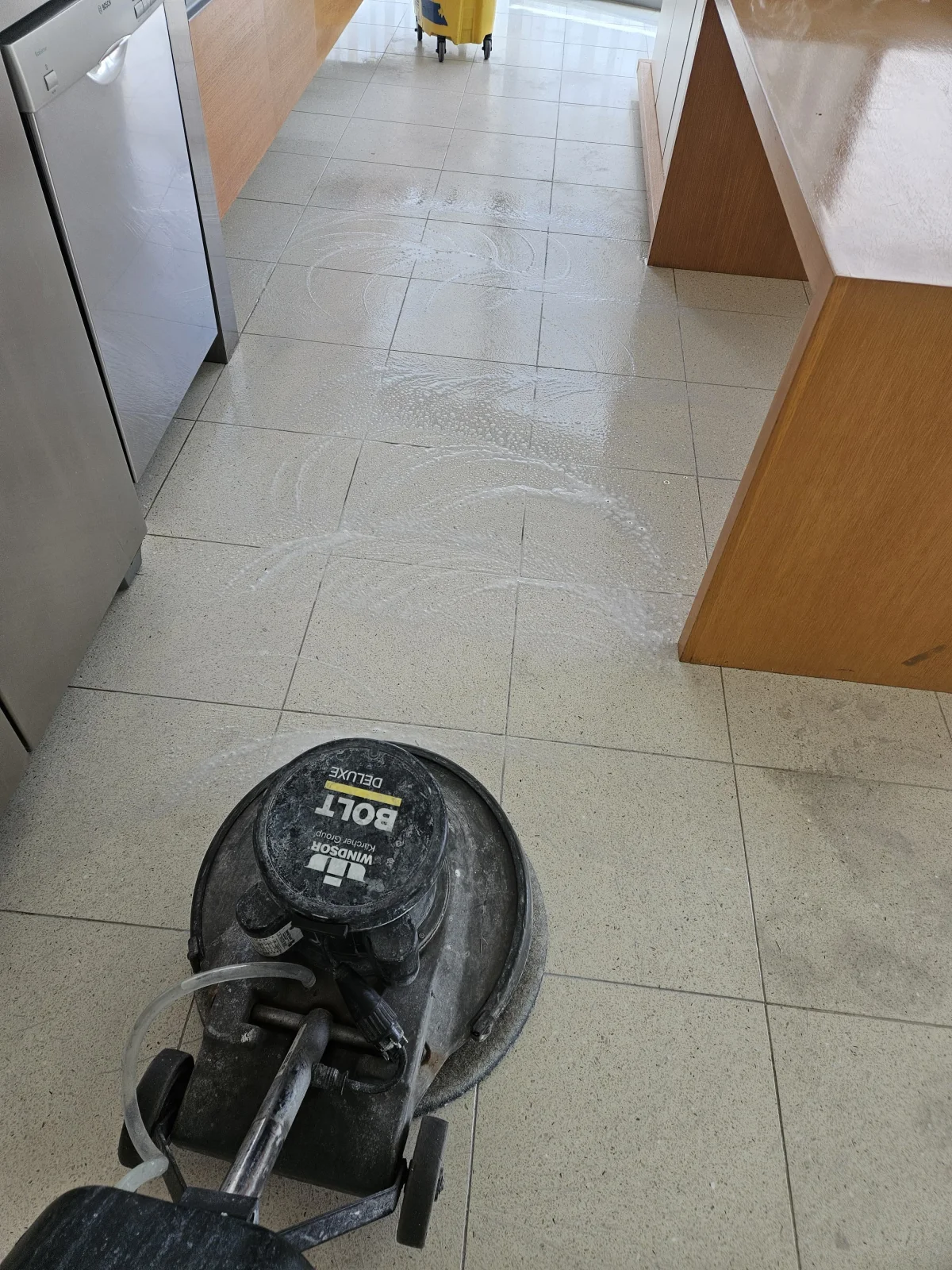
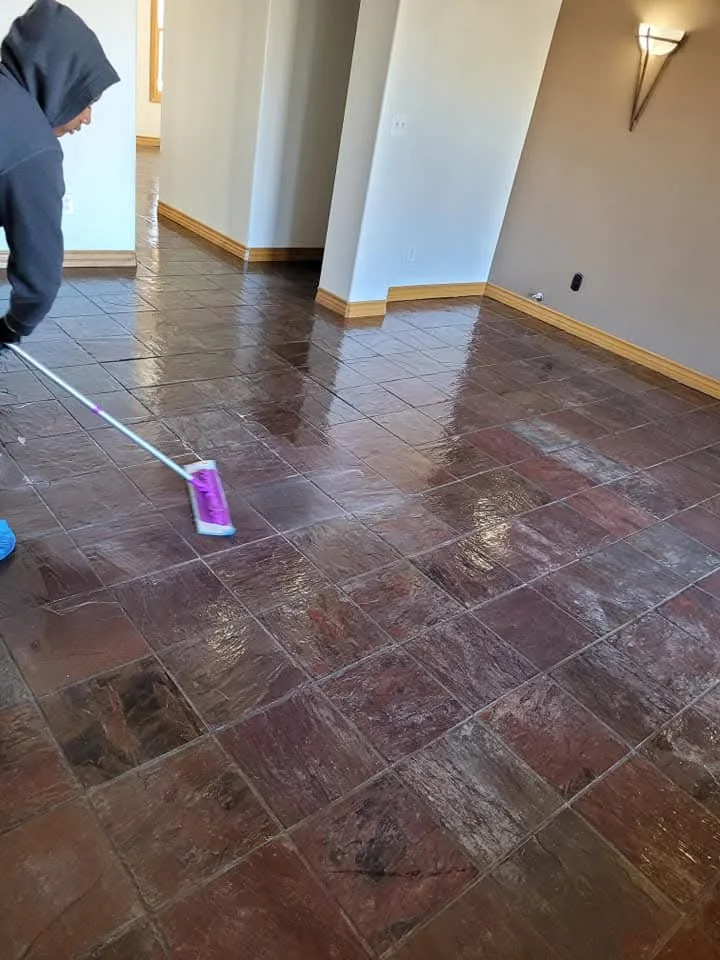
So what happens once we're standing in your kitchen or bathroom? Let's walk through it. Most homeowners picture some kind of chemical stripping process. It's not that. Tile floor polishing is mechanical work, done with diamond pads and specific grit sequences matched to your tile type.
Here's the general order we follow on most jobs:
- We inspect the tile and grout lines first. Ceramic, porcelain, and natural stone tile all respond differently, and grout condition changes the whole plan.
- We test a small hidden section, usually behind an appliance or in a closet, before touching the main floor.
- We clean the surface deep, pulling out ground-in soil that's been sitting in the grout and tile pores for years.
- We run diamond pads across the tile in graduated grits, working from coarse to fine to bring back the shine without wearing down the surface.
- We address the grout lines separately, since grout often needs its own cleaning and sealing pass to match the tile's new finish.
- We do a final buff and inspect every few feet under direct light to catch spots we might've missed.
A typical bathroom floor takes a few hours. A larger kitchen or an open floor plan with a lot of tile square footage runs longer, sometimes a full day if the grout is heavily soiled or the tile has old wax buildup we need to strip first.
We'll walk you through what we're seeing before we start anything. If a section of grout looks cracked or a tile has a chip, we'll point it out and explain what polishing can and can't fix. The floor often looks better than the homeowner expected, especially once the grout lines come back to their original color instead of that gray, dingy look years of foot traffic leave behind.
How Tile and Grout Restoration Pricing Works
Tile floor polishing pricing isn't one flat number. It depends on square footage, how deep the grout stains are, and whether the tile has scratches from years of foot traffic. A small bathroom floor costs less to restore than an open kitchen or a whole first-floor tile run through a Chester home. That's just math, not a sales line.
Most companies in this trade price by square footage, then adjust up or down based on condition. Grout that's soaked up years of grease and dirt takes more passes to clean than grout that's just dusty. Cracked or pitted tile needs extra attention before polishing even starts. Sealing adds a step too, and it's worth asking whether it's included or separate.
Here's what moves the number:
- Total square footage and number of rooms involved
- How embedded the soil is in the grout lines
- Whether the tile needs honing before polishing, not just a buff
- Sealing grout and tile after the work is done
- Furniture or fixtures that need to be moved first
We keep our quoting low pressure. Text us a few photos of the floor and we'll usually give you a straight number without ever stepping foot in your house. Phone calls work too, if you can walk us through what you're seeing. Some jobs need an in-person look, especially if there's damage we can't judge from a picture. When that happens, we charge a $75 to $125 visit fee, and it gets applied straight to the service if you move forward.
Ask any company how they price before they show up. Ask if the quote includes sealing. Ask what happens if they find worse damage once they start. Those three questions tell you more about a company than any brochure will.
Measured steps.
A considered result.
- Share the surface
Send a full view and a close-up of the concern.
- Confirm the material
Identify what it is before choosing a method.
- Set the scope
Separate cleaning, finish work, and repair needs.
- Refine with care
Use a process compatible with the existing surface.
- Review the finish
Inspect the result and discuss ongoing care.
Clarity before
the visit.
How do I schedule a tile floor polishing visit in Chester?
You can reach out by phone or send us a photo of your floor first. That photo helps us tell you right away whether polishing will fix the problem before we even schedule a visit. Most homeowners send a shot of the worst spot, usually near a doorway or sink. We look at how light reflects off the tile to judge wear. This saves you time and gets you a real answer before booking anything.
What happens when you arrive for a tile polishing job?
We start by inspecting your tile and grout up close, since ceramic and natural stone need different treatment. Next we test a hidden spot, often behind an appliance, before touching the main floor. Then we deep clean the surface to pull out soil trapped in the grout and tile pores. After that, diamond pads run in graduated grits to bring back shine. We finish with a buff and check the whole floor under direct light.
Why does my grout stay gray or dark even after I scrub it?
Grout that stays gray usually means moisture has worked its way into the lines and grabbed onto dirt below the surface. Central Virginia summers bring humidity that pushes into unsealed grout and speeds up staining. This happens a lot in Chester homes where grout hasn't been resealed in a few years. A regular mop only moves dust around the top. Polishing paired with a grout cleaning pass reaches the grime a mop simply can't touch.
Can tile polishing fix cracked tiles or crumbling grout?
No, polishing can't fix cracked tiles or grout that's crumbling in chunks. Polishing restores shine and evens out surface wear, but it won't rebuild grout that's structurally broken down. We see this often in older Chester homes near Ecoff Avenue, where original grout has simply reached the end of its life. If several tiles are cracked or sound hollow when tapped, those need repair or replacement first. We'll always tell you upfront if polishing isn't the right fix.
How do I know if my floor needs polishing or a deeper clean?
Dull, cloudy tile or grout that stays dark no matter how much you scrub usually means it needs polishing, not just cleaning. Other signs include rough or sandy feeling tile, dull streaks near doorways, and water that beads up oddly instead of wiping away. These point to worn or soiled surfaces below what a mop can reach. If you're unsure, send us a photo. We can usually tell just from how light hits the tile.
Is tile polishing different for ceramic tile versus natural stone?
Yes, ceramic and natural stone need completely different techniques because their materials react differently. Ceramic has a hard glaze that handles most cleaners fine, while stone like marble or travertine is calcium based and reacts badly to acid. This mix-up happens a lot in Chester homes with ceramic entryways from the late 1990s and early 2000s. Using the wrong process on stone can etch the surface. That's why matching the technique to the material matters more than matching it to how the floor looks.