
Practical surface guide
Screen and Recoat or Full Refinishing: Which Does Your Hardwood Floor Actually Need?
These services are not interchangeable. The correct choice depends on whether damage is limited to the protective finish or extends through the stain and into the wood.
Google Reviews
Scroll to read all 9 reviews →
“Great work and even better customer service. Very professional, easy to work with, and you can tell they take pride in what they do. Definitely recommend Precision Floor & Surface Restoration if you need your floors or countertops brought back to life.”★★★★★
“Absolutely amazing work! From start to finish, everything was handled professionally and with great attention to detail. They took the time to make sure everything was done right, and the results speak for themselves. The floors and surfaces came out looking incredible, and you can tell they genuinely take pride in their work. I couldn’t be happier with the finished product and would definitely recommend them to anyone looking for quality work and great service. Five stars all the way! ⭐⭐⭐⭐⭐”★★★★★
“Precision Floor & Surface Restoration exceeded my expectations! Professional, punctual, and detail-oriented from start to finish. My floors look amazing, and the quality of work was outstanding. Highly recommend to anyone looking for top-notch floor and surface restoration services.”★★★★★
“Removed stains that previous cleaning services could not. Made the impossible - possible!”★★★★★
“Great quality work! Very professional with communication!!”★★★★★
“Clean and very professional. Highly recommend”★★★★★
“I highly recommend his floor cleaning services! He’s reliable, professional, and does an excellent job. My floors looked amazing, and I couldn’t be happier with the results.”★★★★★ ★★★★★
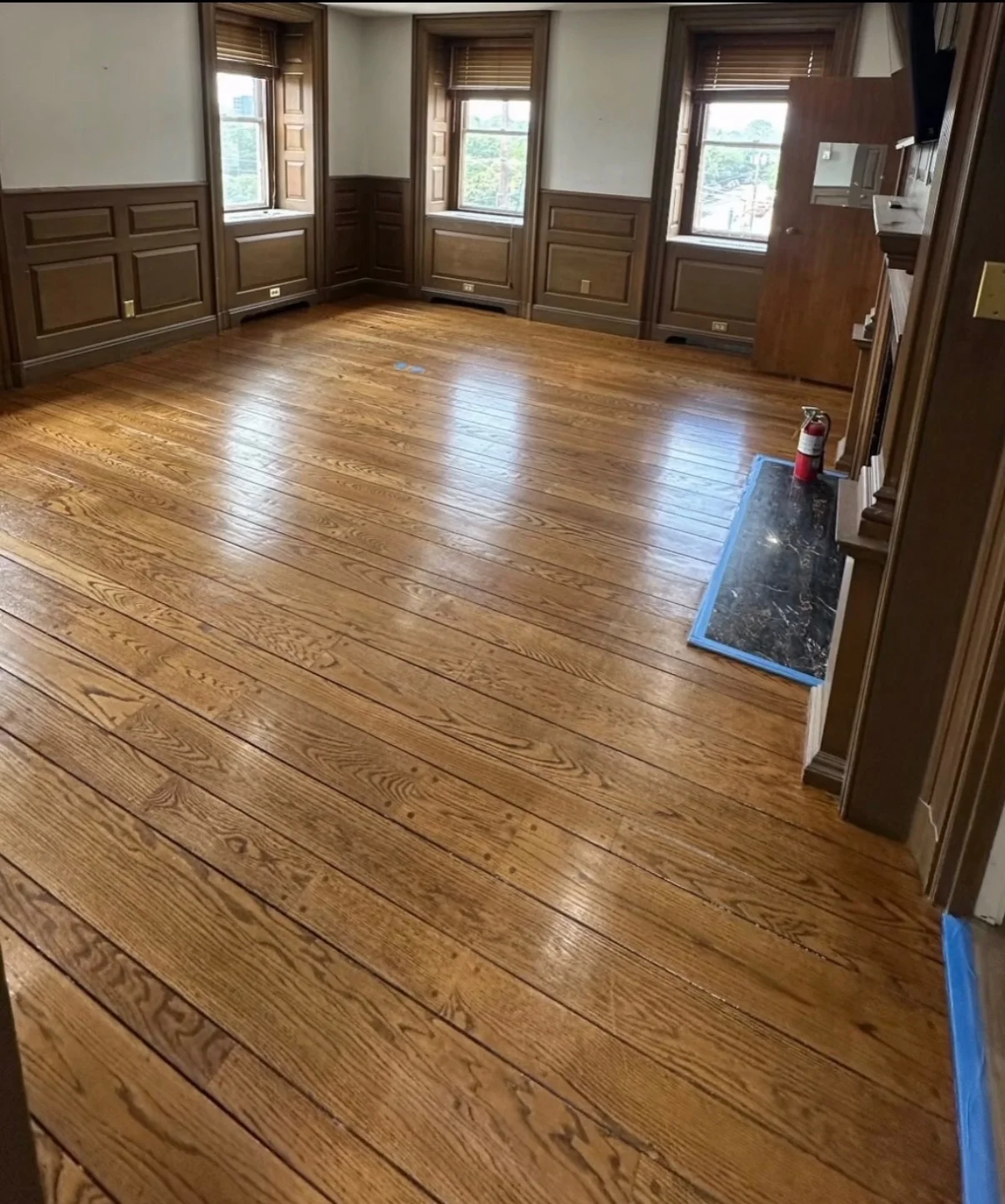
Choose a Screen and Recoat When the Finish Is Worn but the Wood Is Still Sound
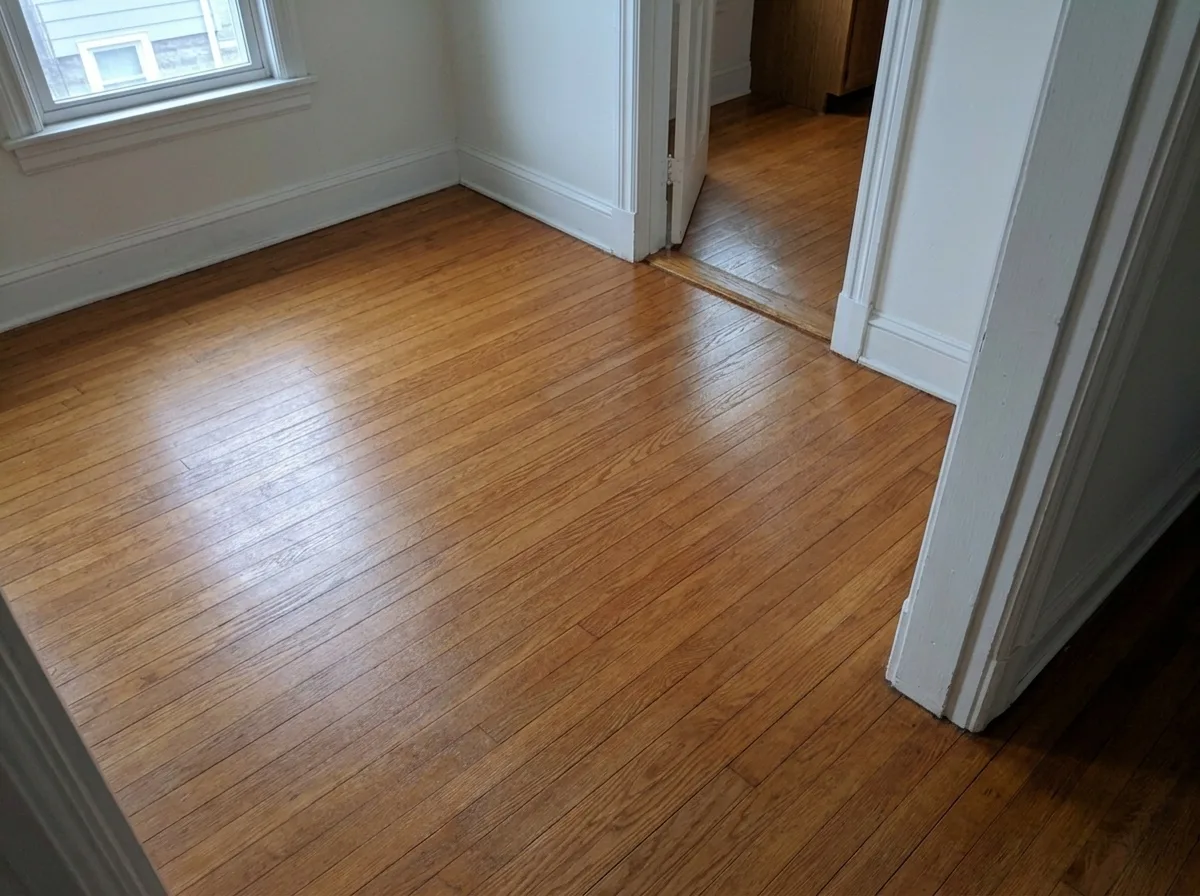
Recoating is a maintenance-restoration option for a floor whose existing stain and underlying wood remain worth preserving. The surface is cleaned, tested, lightly abraded, and covered with a compatible new protective coat.
The Floor Is Dull but Not Deeply Damaged
Loss of sheen and surface wear may be addressed without removing the entire finish system when no significant damage has reached the wood.
Scratches Are Mostly in the Protective Finish
Fine scratches in the topcoat are different from cuts that pass through the stain or catch deeply in the wood fibers.
You Want to Keep the Existing Floor Color
A recoat preserves the current stain rather than sanding it away.
No Significant Raw Wood Is Exposed
This is one of the clearest boundaries. Widespread exposed wood means the floor has moved beyond a simple maintenance coat.
Choose Full Refinishing When Damage Has Reached the Wood
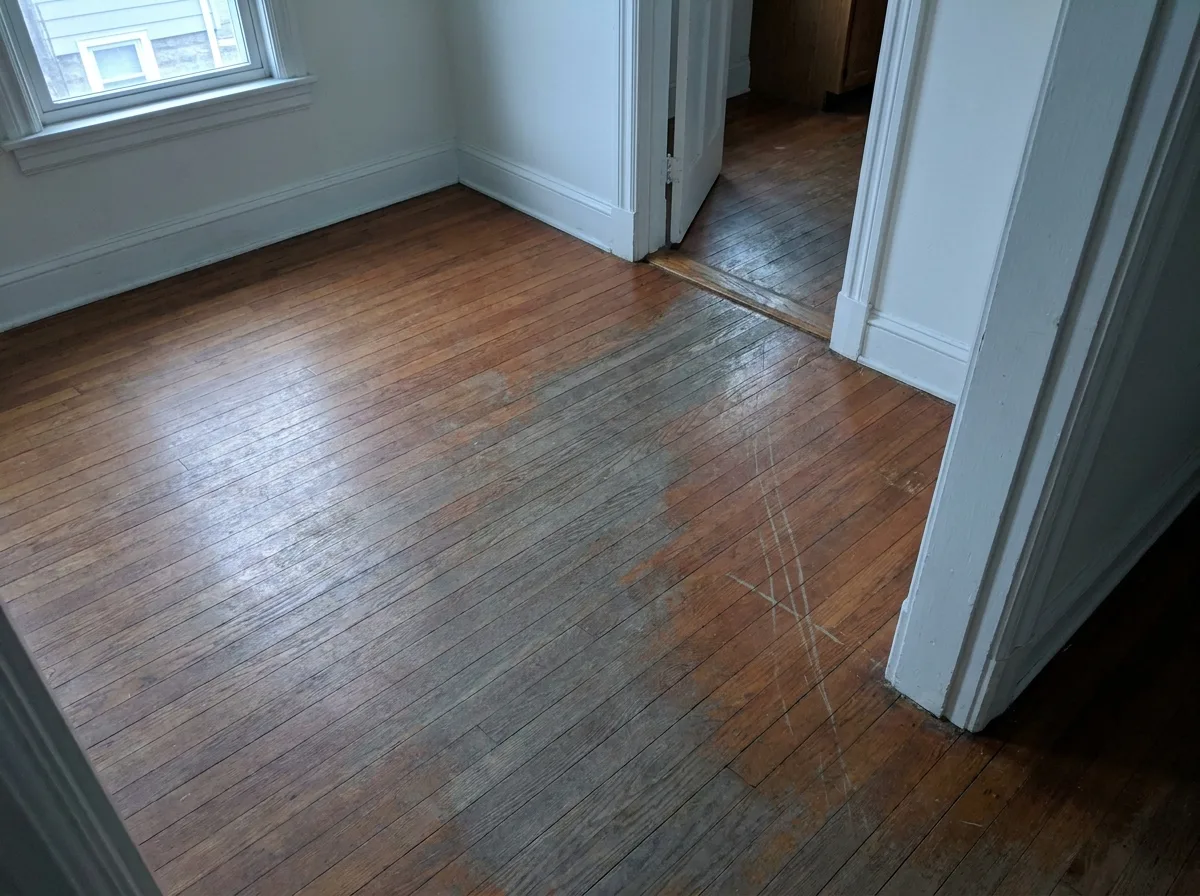
Full refinishing removes the old coating and normally exposes raw wood so deeper damage and the stain system can be addressed. Precision Floor specializes in preserving existing finishes; when the condition calls for full sanding, we will say so rather than stretch a lighter service past its limits.
Deep Scratches, Gouges, or Widespread Raw Wood Are Visible
A new topcoat follows those defects. It does not remove or level them.
The Existing Stain Is Severely Damaged
When broad areas have lost color, a maintenance coat may lock in an unacceptable appearance rather than correct it.
You Want a Major Color Change
Changing the stain generally requires removing the existing finish and color system.
The Floor Has Major Board or Structural Problems
Loose, cupped, broken, missing, or severely water-damaged boards need repair beyond surface maintenance.
Cleaning or Buildup Removal May Solve the Problem Before Either Service
The decision is not always binary. A floor can look worn because it is covered by soil or layered product. If the original finish remains healthy underneath, professional cleaning or wax and polish removal may solve the visible problem without recoating or sanding.
That is why diagnosis comes before equipment. The surface should be cleaned enough to reveal whether the failure is above, within, or below the protective coat.
A Recoat Preserves the Current Stain While Refinishing Removes It
This is the clearest customer-facing difference. A screen and recoat lightly prepares the existing finish and adds protection. Full refinishing removes the current coating and usually exposes raw wood so the surface can be rebuilt.
Recoating can be less invasive precisely because it leaves the color system in place. That benefit becomes a limitation when the existing stain is no longer acceptable.
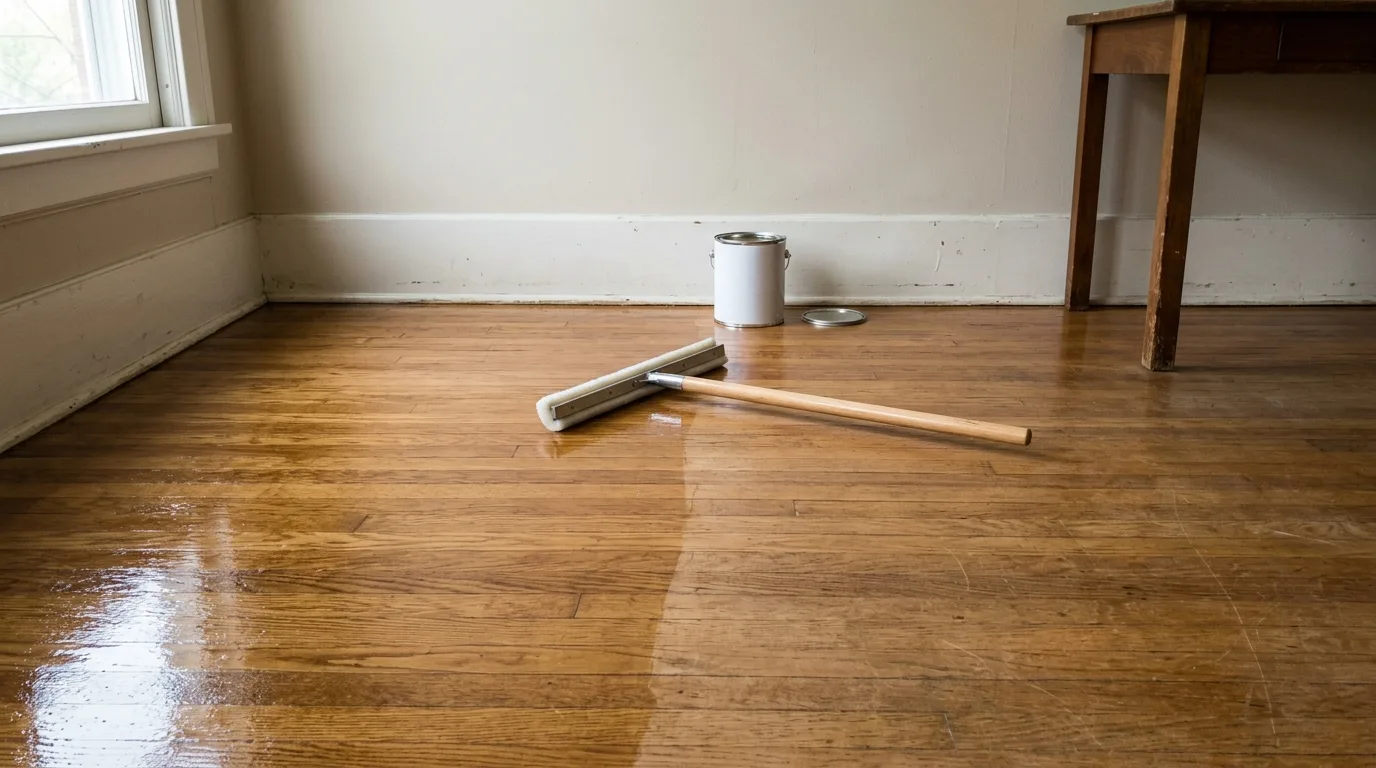
A Screen and Recoat Cannot Give You a Completely New Floor Color
Customers who want a dramatic color change should not be sold a recoat as a substitute. The new clear coat can change the richness and reflection of the existing floor, but it does not remove one stain and replace it with another.
Limited color correction may improve smaller worn areas when the overall stain is staying. It is not equivalent to stripping and restaining the whole room.
Wax Contamination Can Prevent an Immediate Recoat
A floor can appear suitable for recoating and still carry a barrier of wax, polish, or shine-restoring product. That contamination can interfere with abrasion and finish adhesion.
When the product history or surface symptoms suggest buildup, hardwood floor wax removal must come first. The finish is reassessed only after the layer hiding it is gone.
We Will Not Recommend a Maintenance Coat When the Floor Needs Full Refinishing
Precision Floor’s role is to preserve and maintain existing finishes when that approach is appropriate. That specialization does not make every floor a screen-and-recoat candidate.
If raw wood, deep damage, widespread stain loss, structural problems, or an unsuitable requested color change place the job outside cleaning, buildup removal, color correction, or recoating, we will explain that boundary before you spend money on the wrong process.
Richmond-Area Hardwood Floors Should Be Evaluated Before the Service Is Chosen
Richmond, Chesterfield, and Midlothian homes contain floors of different ages, stains, constructions, and care histories. Andrew most often sees red and white oak, but an existing stain can hide the grain and previous products can hide the coating.
Get the Right Treatment Before You Spend Money on the Wrong Process
Text a full-room photo, close-ups of the worst wear, and the names of products used. We will evaluate the finish, stain, contamination, and visible damage before recommending the appropriate next step.
Measured steps.
A considered result.
- Share the surface
Send a full view and a close-up of the concern.
- Confirm the material
Identify what it is before choosing a method.
- Set the scope
Separate cleaning, finish work, and repair needs.
- Refine with care
Use a process compatible with the existing surface.
- Review the finish
Inspect the result and discuss ongoing care.
Clarity before
the visit.
What is the main difference between recoating and refinishing hardwood floors?
Recoating lightly prepares the existing finish and adds a compatible new coat while preserving the stain. Full refinishing removes the finish and normally exposes raw wood so deeper damage or a new color can be addressed.
Is hardwood floor refinishing worth it when only the sheen is dull?
Full sanding may be more work than the floor needs when the stain and wood remain sound. Cleaning or a screen and recoat may be the better fit, but the finish and contamination must be inspected first.
Can a screen and recoat fix raw wood or deep gouges?
No. Widespread exposed wood and deep damage extend beyond the protective coating and usually require a traditional refinishing or repair scope.
Talk With Us About Your Wood Floor
Tell us what looks worn, which products have been used, and what you want to improve. Photos are helpful, but you can call first.