
Floor Polishing in Chester: Restore the Shine Without a Full Replacement
Floor polishing in Chester that restores shine without a full replacement. Skilled local technicians come to you. Call today to schedule your service.
Google Reviews
Scroll to read all 9 reviews →
“Great work and even better customer service. Very professional, easy to work with, and you can tell they take pride in what they do. Definitely recommend Precision Floor & Surface Restoration if you need your floors or countertops brought back to life.”★★★★★
“Absolutely amazing work! From start to finish, everything was handled professionally and with great attention to detail. They took the time to make sure everything was done right, and the results speak for themselves. The floors and surfaces came out looking incredible, and you can tell they genuinely take pride in their work. I couldn’t be happier with the finished product and would definitely recommend them to anyone looking for quality work and great service. Five stars all the way! ⭐⭐⭐⭐⭐”★★★★★
“Precision Floor & Surface Restoration exceeded my expectations! Professional, punctual, and detail-oriented from start to finish. My floors look amazing, and the quality of work was outstanding. Highly recommend to anyone looking for top-notch floor and surface restoration services.”★★★★★
“Removed stains that previous cleaning services could not. Made the impossible - possible!”★★★★★
“Great quality work! Very professional with communication!!”★★★★★
“Clean and very professional. Highly recommend”★★★★★
“I highly recommend his floor cleaning services! He’s reliable, professional, and does an excellent job. My floors looked amazing, and I couldn’t be happier with the results.”★★★★★ ★★★★★
Signs Your Floors Need Polishing, Not Replacement
Here's the question we get asked most: how do you know if a floor needs polishing or if it's done for good? Most of the time, it's not done.
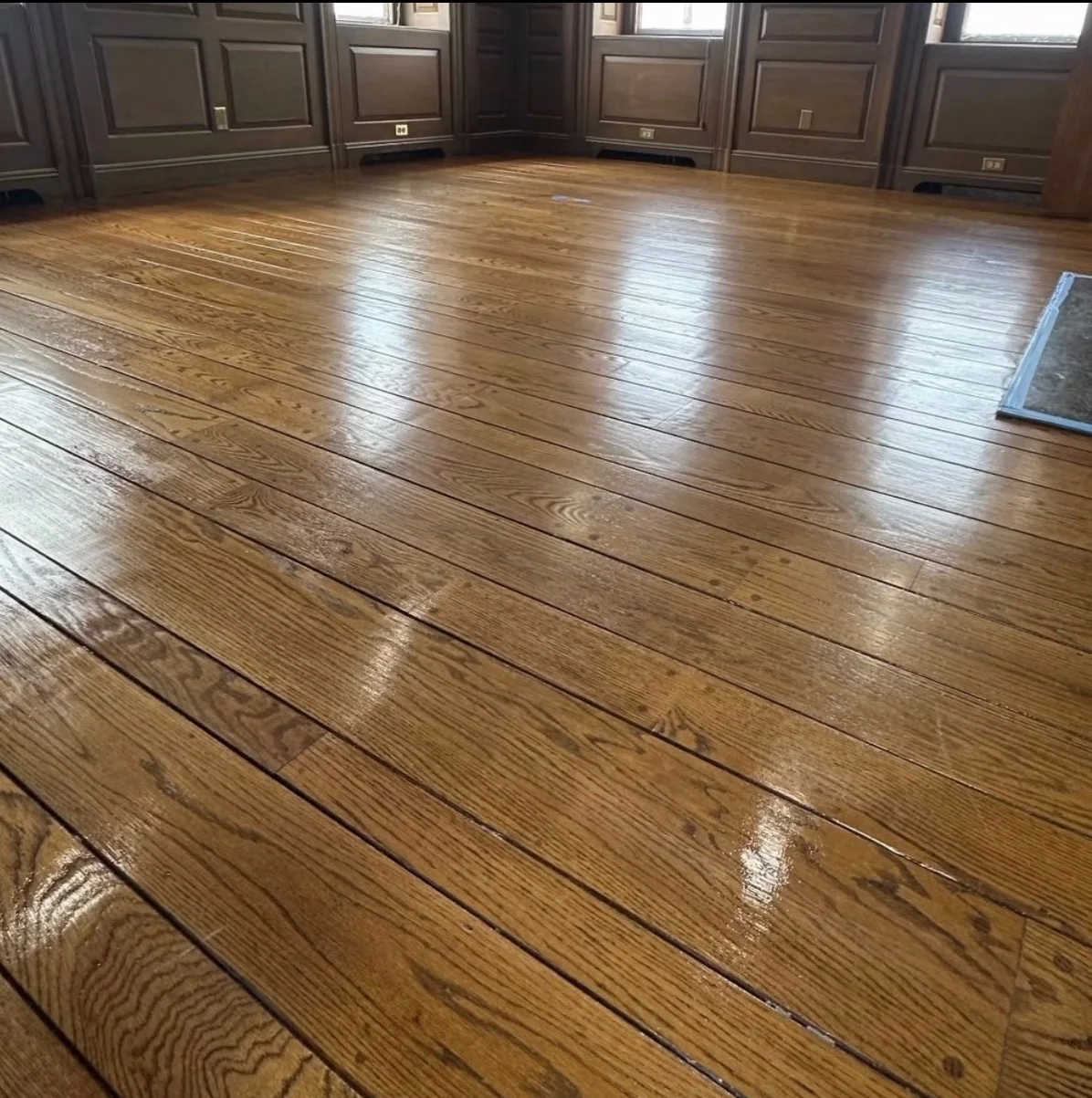
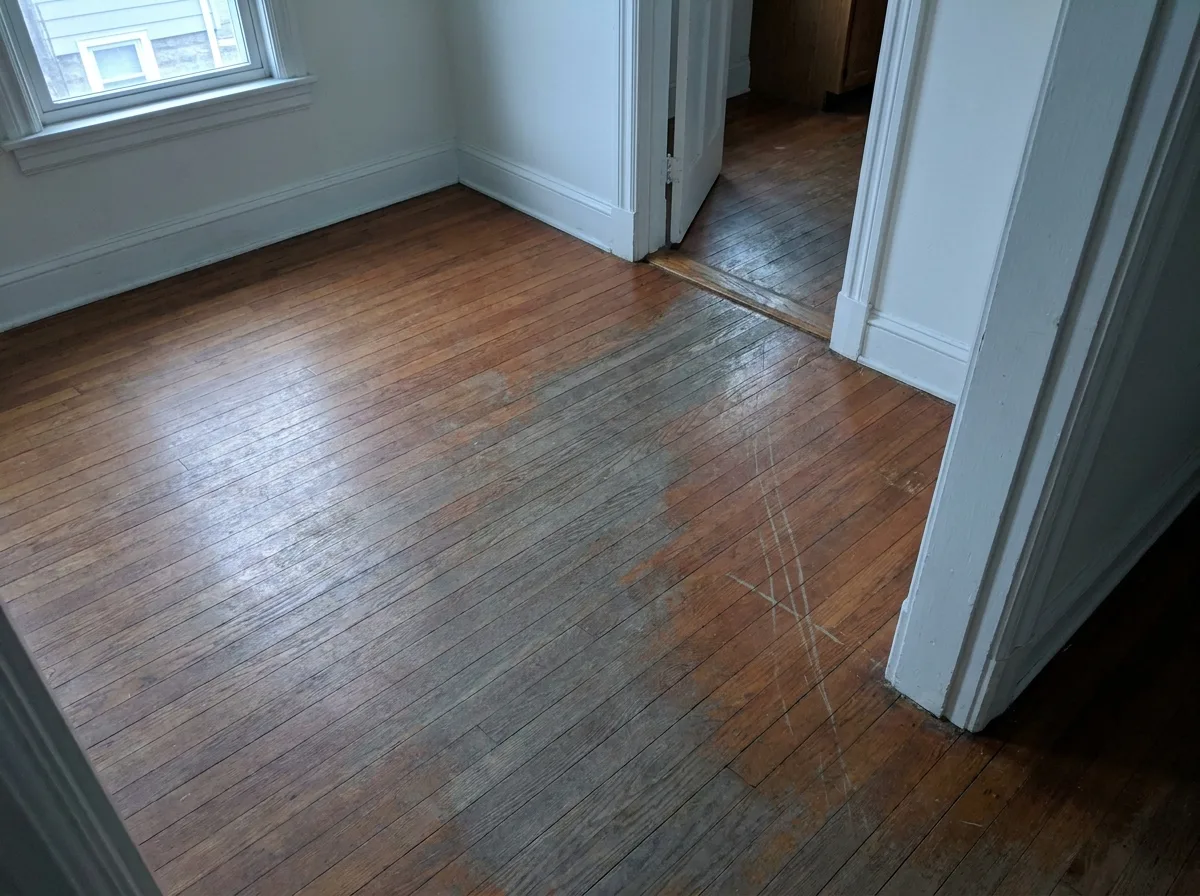
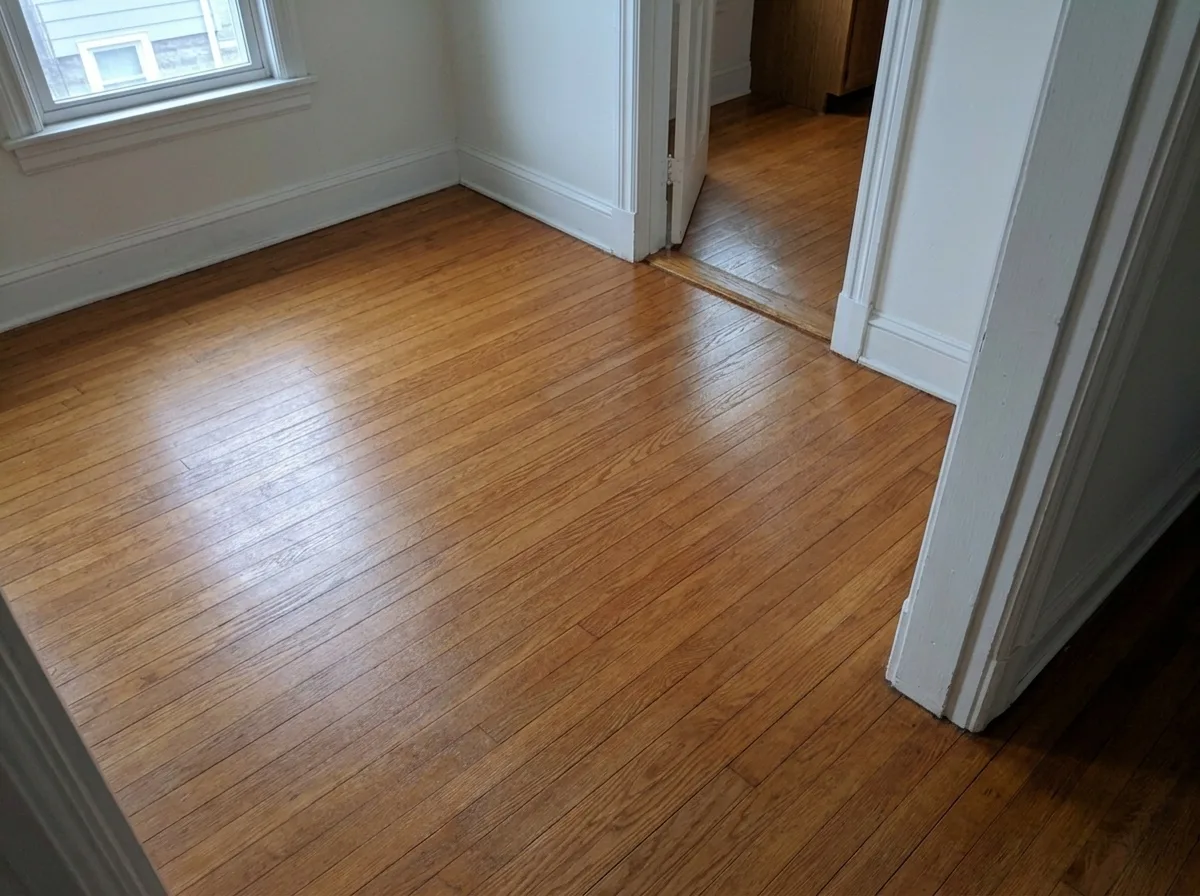
Dull, cloudy hardwood is the biggest one. If your wood floors used to shine and now look flat and gray under lamp light, that's usually just worn finish, not damaged wood. Scratches from dog nails or moved furniture usually sit in the finish layer, not the wood itself. Same story with stone. Marble and travertine that look hazy or have lost their reflection aren't ruined, they're etched. Etching happens when something acidic, wine, vinegar, even lemon juice, sits on the surface and eats into the polish. It looks like damage. It's usually not structural at all.
Grout lines that have gone from white to gray or brown are another one we see constantly in Chester kitchens and bathrooms, especially in homes built before the newer sealed-grout products became standard. That discoloration is embedded soil, not a grout failure.
Here's a quick gut check on what usually means restoration is still on the table:
- Surface feels rough or scratchy but the floor doesn't wobble, crack, or flex underfoot
- Cloudiness or dullness that changes depending on the light angle
- Grout that's discolored but not crumbling out of the joints
- Countertop dullness around the sink where water and acidic foods sit most
- Small chips or nicks in stone or terrazzo, not deep gouges
If the wood is cupping badly, or stone has deep cracks running through it, that's a different conversation. But we'd say what looks like "this floor is shot" is really just years of foot traffic and neglected upkeep. Polishing brings that shine back. Replacement almost never has to be the first move.
Polishing vs. Buffing vs. Refinishing: Picking the Right Fix
People mix these words up all the time, and why wouldn't they? They sound like the same thing. They're not. Buffing is the light touch, a quick pass with a machine and pad that smooths out surface haze on hardwood and brings back some shine without touching the finish underneath. Polishing goes deeper. For stone like marble or travertine, polishing means correcting the actual surface, removing dull patches, etching, and light scratches so the shine comes from the material itself, not a coating. Refinishing is the big one, stripping a floor down and starting over.
Here's the thing most homeowners don't know until we're standing in their living room. Sanding and refinishing isn't always necessary, even when a hardwood floor looks tired and gray. What looks like "the floor is ruined" is really just worn-out finish sitting on top of solid wood underneath. That's exactly why we offer no-sanding wood floor restoration and wood floor recoating as options before anyone jumps to a full refinish.
A lot of homes in Chester built during the 90s growth along Route 10 still have their original hardwood, just buried under 20-plus years of foot traffic and old wax buildup.
So how do you know which one you need? Ask yourself: is the shine gone but the wood still smooth? That's buffing or recoating territory. Do you see cloudy rings, etch marks, or dull spots on stone or a granite countertop? That calls for polishing, and it's a job we're careful with. We're IICRC-certified in stone care specifically so we don't turn a minor etch into a permanent one. Is the finish peeling, cupping, or gouged clear through? That's when refinishing earns its cost.
When Floor Polishing Isn't the Right Fix
Let's be straight with you. Polishing brings back shine and fixes surface wear, but it can't undo everything. If a hardwood floor has deep water damage, cupped boards, or black stains soaked into the wood grain, no amount of buffing solves that. Those boards usually need sanding down past the damage or replacing outright. We see this a lot in older Chester homes built before slab moisture barriers became standard, where a slow leak under the flooring went unnoticed for months.
Same goes for marble and natural stone with deep etching that's worn all the way through the polished layer, or grout that's crumbling instead of just dirty. Polishing addresses the surface. It doesn't rebuild structure.
Cracked tiles, hollow-sounding spots in stone floors, or countertops with chips down to the substrate are repair jobs first, polishing jobs second.
Not sure which category you're in? That's a common question, and most homeowners can't tell the difference between surface wear and structural damage without someone trained to look at it. A dull countertop and a pitted one look similar from three feet away. One's a quick fix, the other needs a different approach entirely.
Here's the honest test: run your hand across the surface. Feel grooves, pits, or soft spots instead of just dullness? That's usually beyond polishing alone. Our team will tell you flat out if your floor or countertop needs repair work before restoration can even happen. We'd rather give you the real answer than sell you a service that won't hold up. Text us a photo and we can usually tell you which category you're dealing with before we ever step foot on the property.
What Happens During a Professional Floor Polishing Visit
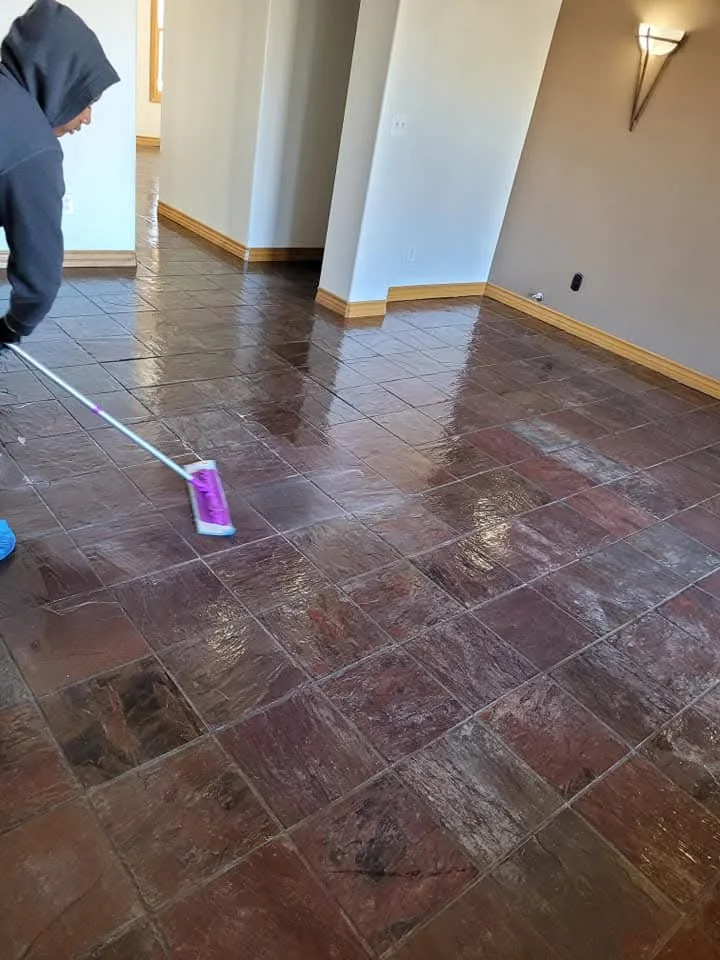
First thing we do is walk the floor with you and look at what's going on. Etching on marble looks different than dulling from foot traffic, and grout that's gone gray from years of ground-in soil needs a different approach than a hardwood floor that's just lost its shine. We're IICRC certified in stone, masonry, and ceramic tile care, so which surfaces can take an aggressive approach and which ones will scratch if you look at them wrong.
Once what we're dealing with, here's roughly how the visit goes:
- We test a small, hidden area first to see how the surface reacts.
- We clean out embedded soil and old sealant or wax buildup.
- We polish or hone using the right grit and compound for that specific material.
- We buff the surface to bring back the shine and check for even coverage.
- We seal where needed, especially on natural stone and grout lines that soak up moisture.
Dust and debris get cleaned up before we leave. That's just standard practice, not something we charge extra for.
Now, timing depends on the job. A single kitchen countertop might take a couple hours. A full hardwood floor across a living and dining area runs longer, sometimes most of the day. Terrazzo and travertine floors usually need more passes because of their porous structure, so those visits tend to stretch out a bit more than a straight buffing job on sealed hardwood.
We walk you through the finished surface before we call it done. If something looks off to you, say so right then, not three days later.
Most homeowners are surprised how much brighter a room looks once the haze and scratches are gone. It's not magic, it's just proper technique and the right equipment for the material in front of us.
How Floor Polishing Pricing Works
Here's how pricing works in this trade, because most homeowners have never had to think about it before. Floor polishing isn't priced like carpet or paint. There's no flat per-room rate that makes sense across every job. Square footage matters, sure. But so does the material, the current condition, and how much prep work the surface needs before any polishing even starts.
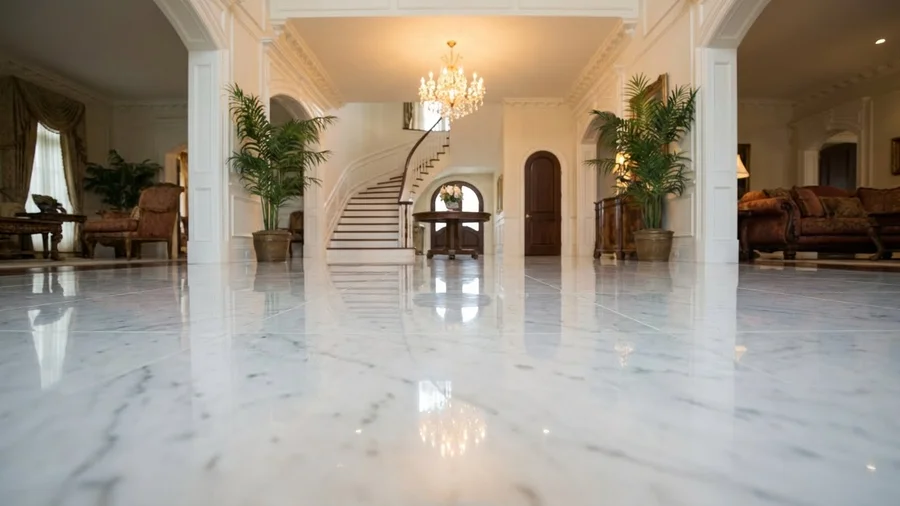
A marble floor with deep etching from years of vinegar-based cleaners takes a lot more work than a lightly dulled travertine floor that just needs a buff. Grout that's packed with years of embedded soil needs a different process than grout that's just lost its seal. Stone countertops with acid damage need honing before polishing can do anything at all. The condition drives the cost, not just the size of the room.
Here's what to ask any company before you hire them: are they diagnosing the actual damage, or just quoting off square footage? Do they know the difference between honing and polishing, and when each one's needed? A rushed quote over the phone with no photos and no questions is usually a red flag.
We keep this part simple. Send us a few photos over text and tell us what's going on, we'll give you a free estimate, no visit needed in most cases. If the job's complicated enough that we need to see it in person first, that visit runs between $75 and $125, and that fee gets applied straight to the service once you book. You're never paying twice. No guessing, no pressure, just an honest look at what your floor needs before we talk numbers.
Measured steps.
A considered result.
- Share the surface
Send a full view and a close-up of the concern.
- Confirm the material
Identify what it is before choosing a method.
- Set the scope
Separate cleaning, finish work, and repair needs.
- Refine with care
Use a process compatible with the existing surface.
- Review the finish
Inspect the result and discuss ongoing care.
Clarity before
the visit.
How do I know if my floor needs polishing instead of full replacement?
You can usually tell by running your hand across the surface. If it feels smooth but looks dull or cloudy, that's worn finish, not damaged material, and polishing will fix it. Cracks, deep gouges, or wobbly boards mean something more is going on. Most Chester homes we visit just need surface restoration. Send us a photo before you assume replacement is your only option.
How quickly can you get to my home for a floor polishing appointment?
We schedule most visits within a few days of your call, and we're happy to look at photos first to get a sense of what you're dealing with. This helps us bring the right equipment for stone, tile, or hardwood on the first trip. Chester homes vary a lot in floor type, especially older properties with original hardwood, so a quick photo saves everyone time.
What actually happens during a floor polishing visit?
We start by walking the floor with you and testing a small, hidden spot to see how the material reacts. From there, we clean out embedded soil or old wax buildup, then polish or hone using the right grit for your specific surface. Because we're IICRC-certified in stone, masonry, and tile care, we adjust our approach depending on whether we're working on marble, grout, or hardwood.
Why do so many Chester homes have dull or gray grout lines?
This is common in kitchens and bathrooms built before newer sealed-grout products became standard. What looks like grout failure is usually just years of embedded soil sitting in the joints. It's not crumbling or falling apart, it's dirty. Professional polishing lifts that discoloration without needing to regrout the whole floor, which saves you time and disruption.
What's the difference between buffing, polishing, and refinishing my floors?
Buffing is a light pass that smooths surface haze without touching the finish underneath. Polishing goes deeper, correcting etching, dull patches, and scratches so shine comes from the material itself. Refinishing strips the floor down completely and starts fresh. Most hardwood in older Chester homes, especially near Route 10, only needs recoating or polishing, not a full refinish.
Can floor polishing fix water damage or deep etching on stone?
No, polishing works on surface wear, not structural damage. Deep etching that's worn through the polished layer, cupped or stained hardwood boards, and crumbling grout all need repair first. We see this in older Chester homes without slab moisture barriers, where a slow leak damaged the wood before anyone noticed. We'll tell you upfront if repair needs to happen before polishing can help.