
Restore the Shine: Floor Cleaning and Polishing in Chester Without Full Replacement
Floor cleaning and polishing in Chester restores worn floors without full replacement. Precision Floor and Surface comes to you. Call to book today.
Google Reviews
Scroll to read all 9 reviews →
“Great work and even better customer service. Very professional, easy to work with, and you can tell they take pride in what they do. Definitely recommend Precision Floor & Surface Restoration if you need your floors or countertops brought back to life.”★★★★★
“Absolutely amazing work! From start to finish, everything was handled professionally and with great attention to detail. They took the time to make sure everything was done right, and the results speak for themselves. The floors and surfaces came out looking incredible, and you can tell they genuinely take pride in their work. I couldn’t be happier with the finished product and would definitely recommend them to anyone looking for quality work and great service. Five stars all the way! ⭐⭐⭐⭐⭐”★★★★★
“Precision Floor & Surface Restoration exceeded my expectations! Professional, punctual, and detail-oriented from start to finish. My floors look amazing, and the quality of work was outstanding. Highly recommend to anyone looking for top-notch floor and surface restoration services.”★★★★★
“Removed stains that previous cleaning services could not. Made the impossible - possible!”★★★★★
“Great quality work! Very professional with communication!!”★★★★★
“Clean and very professional. Highly recommend”★★★★★
“I highly recommend his floor cleaning services! He’s reliable, professional, and does an excellent job. My floors looked amazing, and I couldn’t be happier with the results.”★★★★★ ★★★★★
Diagnosing Dull, Scratched, and Etched Floors
Not every dull floor has the same problem, and that's where a lot of homeowners get it wrong. A marble entryway that's gone cloudy isn't dirty. It's etched. Acidic spills, even something as mild as orange juice or a splash of vinegar cleaner, eat into the calcium carbonate in marble and travertine within minutes. No amount of mopping fixes that. Only honing and polishing brings the shine back.
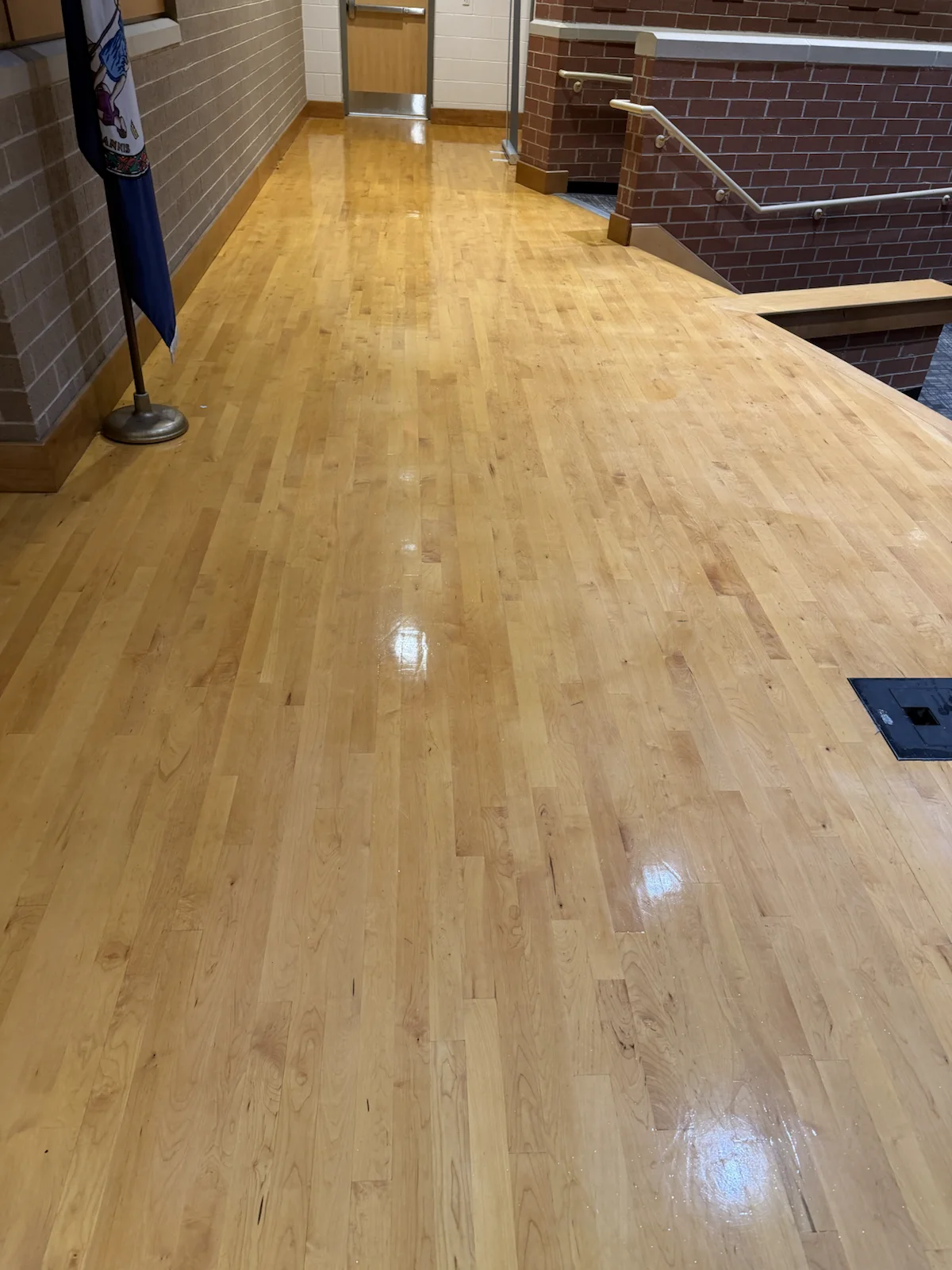
Hardwood is different. We see this every week: a homeowner thinks their floor needs replacing because it looks gray and scratched near the back door. It's worn-through finish letting dirt grind into the wood grain every time someone walks across it in shoes. Chester's older homes near Route 10 tend to show this fast. Our summers are humid and winters run dry with the heat on, so wood planks expand and contract more than folks expect. That movement opens tiny gaps where grit settles in.
Grout tells its own story. If it's gone from tan to gray or black, that's embedded soil and mildew, not a stain you can scrub out with a store-bought brush. And terrazzo? When it loses its reflective shine but has no scratches you can feel with a fingernail, that's usually old wax buildup or worn sealer, not damage to the stone itself.
Polishing, Buffing, and Deep Cleaning: What Each One Does
People use these three words like they're the same thing. They're not, and mixing them up is how homeowners end up disappointed with the result.
Buffing is friction. A machine spins a pad across the surface to smooth out light scratches and bring back shine, mostly on hardwood. It's fast, it's affordable, and it works great when the floor's finish is still intact underneath the dullness. Think of a hallway that gets foot traffic every day. It looks tired but there's no bare wood showing through. That's a buffing job.
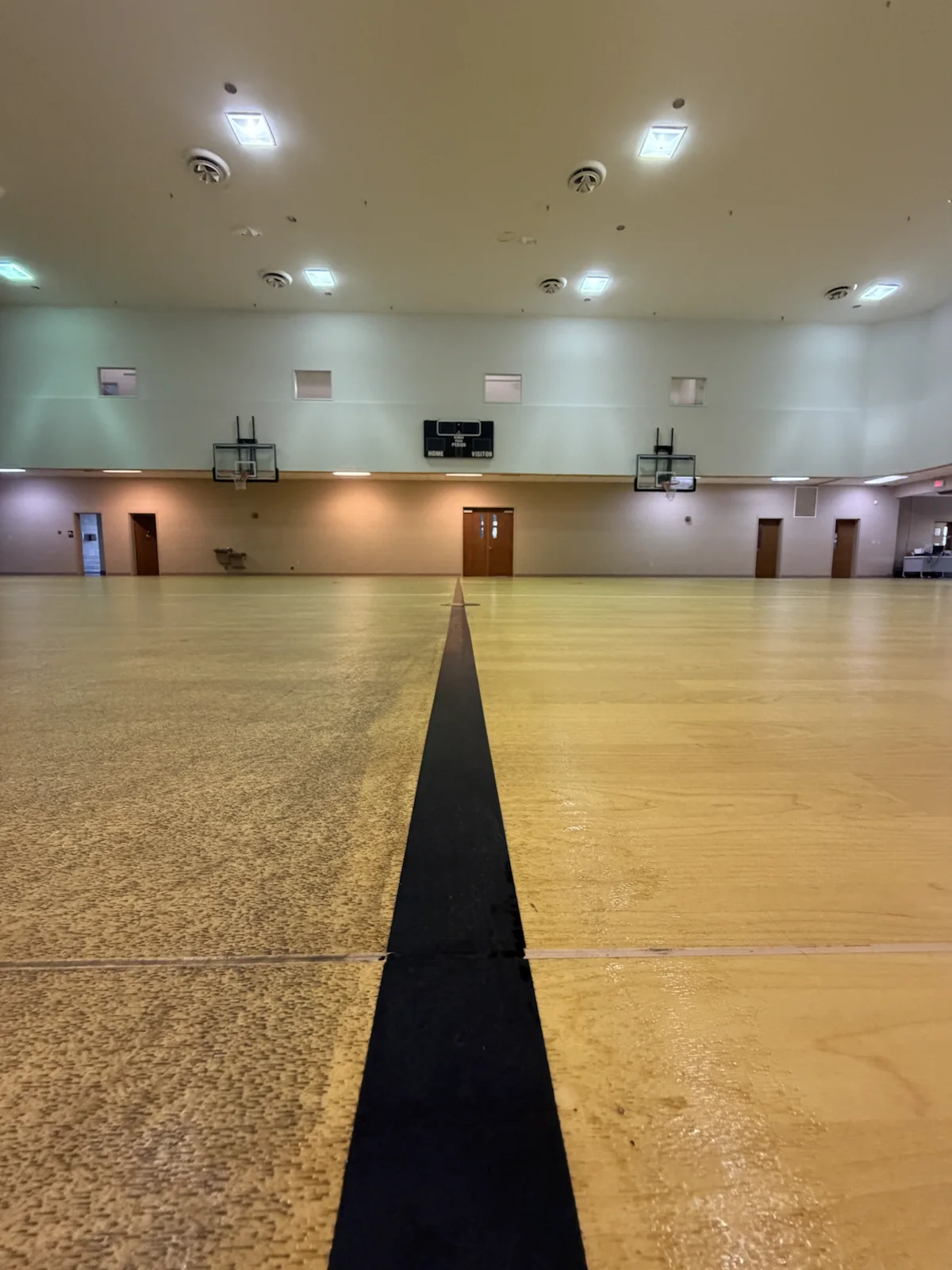
Polishing goes deeper. On hardwood, polishing services correct the finish layer itself, filling in fine scratches and restoring the reflective surface that buffing alone can't fix. On stone, polishing is different. Marble, travertine, and terrazzo get their shine from refining the mineral surface with progressively finer abrasives, not from a coating sitting on top. That's why a marble countertop that's gone dull from acid etching needs polishing, not buffing. Buffing a dull spot on marble just moves dust around. It doesn't touch the etch.
Deep cleaning is the step people skip, and it shows. Wood floor deep cleaning pulls embedded soil and old wax buildup out of the grain before any polish goes on. Skip it and you're sealing dirt under a shiny top coat. We see this constantly on older homes around Chester where decades of wax layers have built up in the grain. Grout cleaning works the same way. It lifts soil out of porous grout lines that a mop just pushes around.
When Sanding or Replacement Makes More Sense Than Polishing
Polishing brings a floor back. It doesn't fix a floor that's already gone too far. There's a real difference, and we'd rather tell you that upfront than take a job that won't hold up.
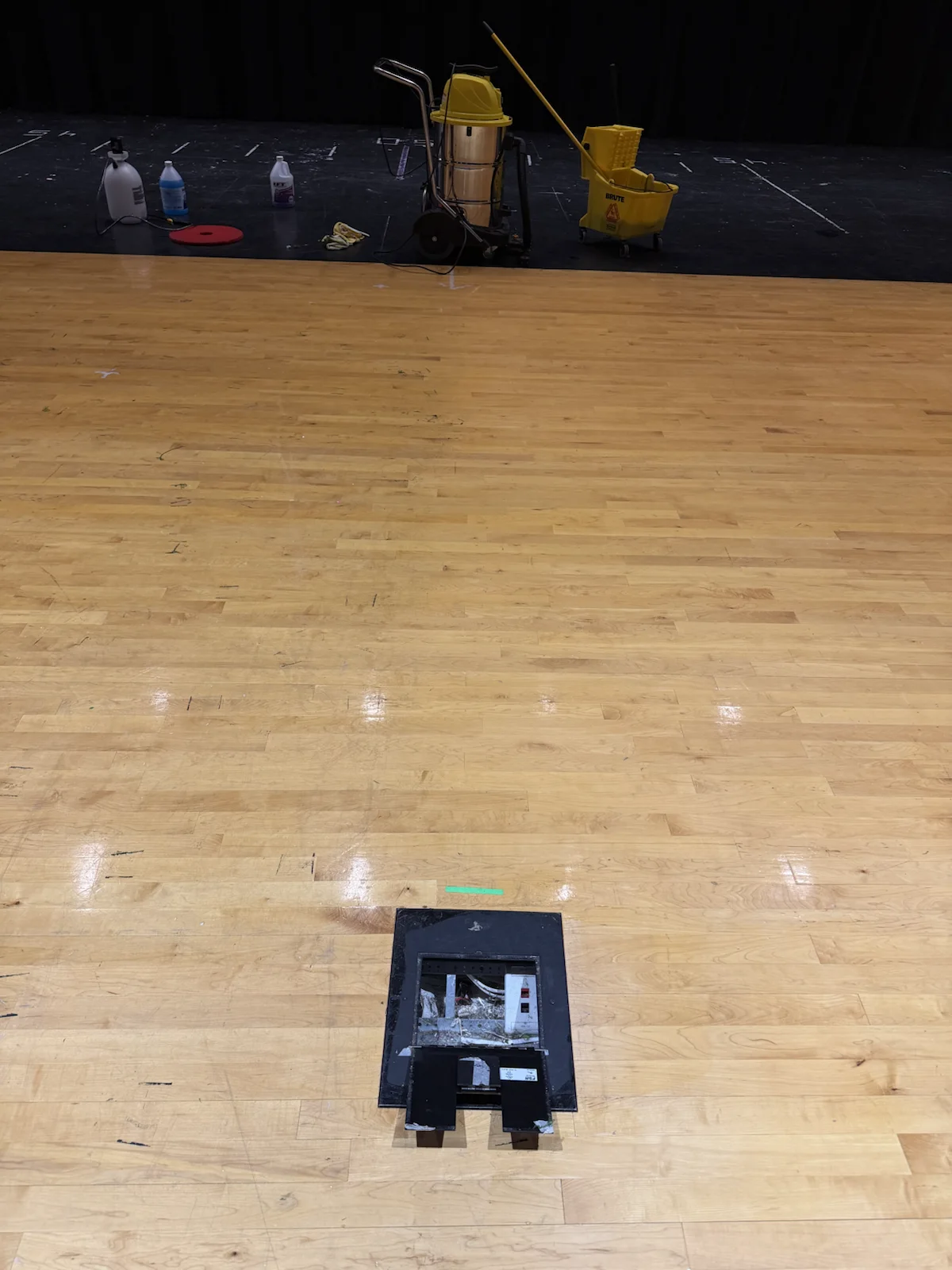
Here's the test we use. If the wear is in the finish, polishing wins. If the wear is in the wood itself, no amount of buffing changes that. Deep gouges that catch your fingernail. Boards that are cupped or crowned from water sitting under them for weeks. Stains that go past the finish and into the grain, dark rings from a leaky planter, pet stains that soaked in years ago. Those need sanding, sometimes a full refinish, sometimes a board replacement.
Same goes for stone and tile. A hairline crack in a marble tile is one thing. A cracked substrate underneath, or grout that's crumbling out in chunks, is another. Polishing a surface that's structurally failing just hides the problem for a few months, then it's back and worse.
We see this a lot in Chester's older homes, especially places built before the 1990s with solid hardwood laid straight over the subfloor. Decades of humidity swings through Central Virginia summers can push moisture into those boards from underneath, and by the time cupping shows up on the surface, the damage is already done below it.
So how do you know which one you've got? A simple gut check: does the damage feel like it's on top of the floor, or in it? Run your hand across it. If you can feel the wood fiber itself is rough, split, or soft, that's a sanding job, not a polishing one.
Inside a Professional Floor and Surface Restoration Visit in Chester
Most folks picture a floor restoration visit as loud machines and a mess. It's not. Here's what happens when we show up at a home in Chester.
We start by looking at the surface before we touch anything. Marble scratches different than granite. Travertine pits different than tile grout stains. We're checking for etching, checking how deep the wear goes, checking whether it's just surface soil or something that's worked into the pores. Homeowners think their stone or wood is ruined when it's really just embedded dirt and old wax buildup sitting on top of a perfectly good surface.
Once what we're dealing with, the process usually goes like this:
- Test a small hidden section first, so we can see how the material reacts.
- Deep clean to strip out old sealer, soil, and grime that's built up in the grout lines or wood grain.
- Polish or hone the surface using the right compound for that specific material.
- Buff it out to bring back the shine without over-processing the surface.
- Reseal where needed, so moisture and daily wear don't undo the work in six months.
A lot of Chester homes built in the last couple decades have travertine or tile entryways that see heavy foot traffic right off the garage. That constant grit gets ground into the grout, and by year five or six it looks gray instead of white. That's not a replacement job. That's a cleaning and sealing job, done right.
Our IICRC certification in stone, masonry, and ceramic tile care matters here, because the wrong chemical on the wrong stone can etch it permanently in seconds. which products work on which surfaces, and we won't guess.
If you can send us a few photos by text, we'll usually give you a free quote right there. If we need to come out and look at it in person, that visit runs between $75 and $125, and it gets applied straight to the work if you move forward.
How Floor Cleaning and Polishing Pricing Works
Floor cleaning and polishing pricing isn't one flat number. It depends on square footage, the material you're working with, and how far gone the surface is before we start. Marble costs more to restore than sealed ceramic tile. Grout that's soaked up years of soil takes longer than grout that's just dusty. So the honest answer is always: it depends on what we find.
Here's what moves the number up or down in this trade:
- Square footage and layout, tight rooms and lots of edges take longer than open floors
- Material type, natural stone and marble need different tools than hardwood or grout
- Current condition, deep etching or years of embedded grime add labor time
- Whether sealing or recoating is needed after the polish step
We keep our quote process simple. Text us a few photos or give us a call and walk us through what you're seeing, and we'll get you a free estimate without anyone stepping foot in your house. That works for most jobs. Sometimes a floor or countertop needs an in-person look before we can be accurate, especially with stone that's got hidden damage under a rug or cabinet. When that happens, there's a small fee to come out, usually somewhere between $75 and $125, and that amount gets applied straight to the job if you hire us.
Ask any provider how they price before you agree to anything. Do they charge by the square foot or by the room? Is sealing included or billed separately? Will they tell you upfront if a floor needs a repair before it can be polished at all? A straight answer to those questions tells you a lot about who you're hiring.
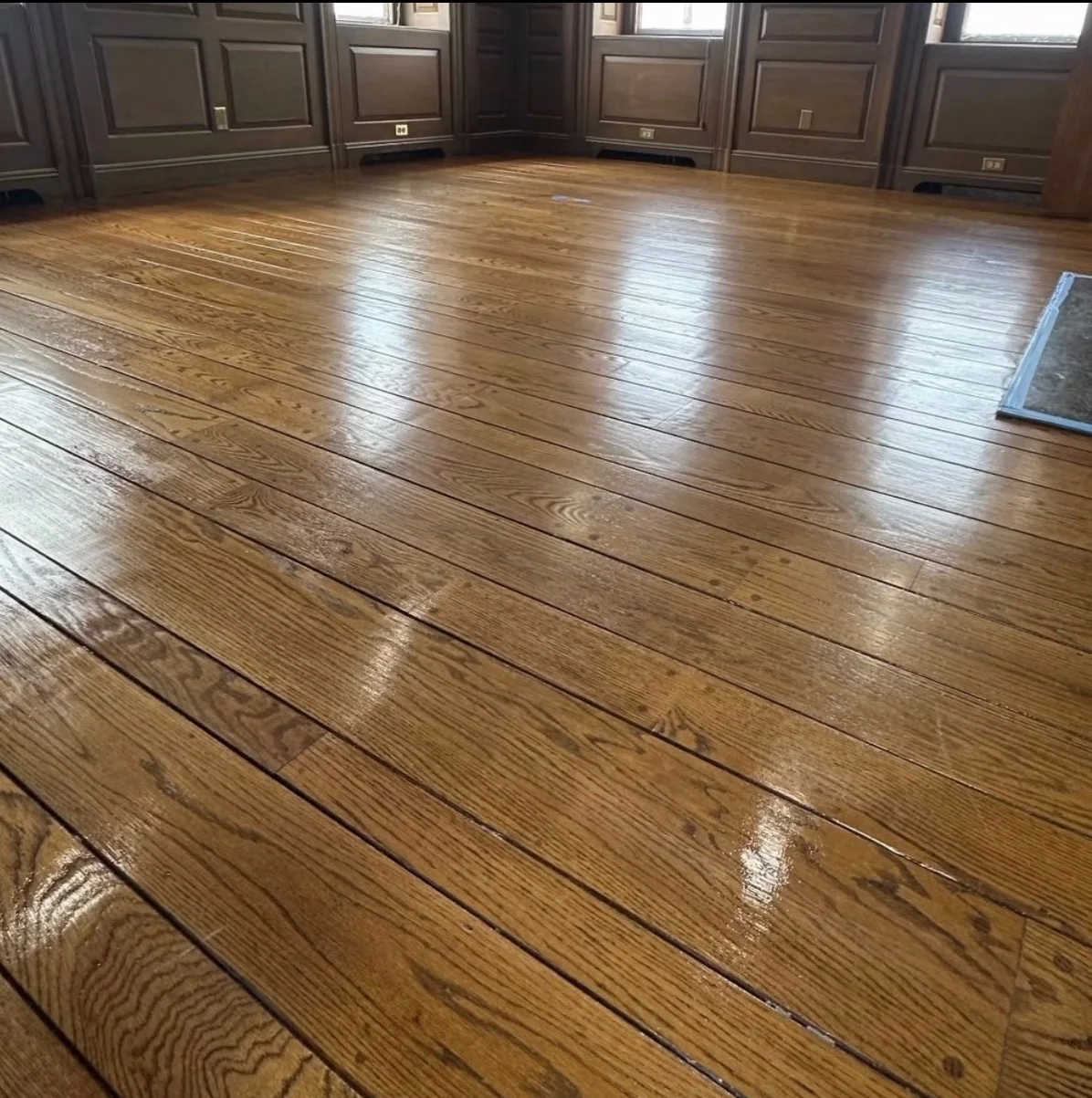
Measured steps.
A considered result.
- Share the surface
Send a full view and a close-up of the concern.
- Confirm the material
Identify what it is before choosing a method.
- Set the scope
Separate cleaning, finish work, and repair needs.
- Refine with care
Use a process compatible with the existing surface.
- Review the finish
Inspect the result and discuss ongoing care.
Clarity before
the visit.
How do I know if my floor needs polishing or a full sanding job?
Run your hand across the damaged spot to find out. If it feels smooth but looks dull or scratched, polishing will bring the shine back. If you feel rough wood fiber, deep gouges, or boards that are cupped or crowned, that damage is in the wood itself and needs sanding or replacement. We check this on every visit before we start any work. Polishing a floor that's structurally worn just hides the problem for a few months before it shows up again, often worse.
What happens during a floor cleaning and polishing visit?
We start by testing a small hidden section so we know how your specific floor reacts. Then we deep clean to strip out old wax, sealer, and grime sitting in the wood grain or grout lines. After that we polish or hone the surface with the right compound for that material, buff it to bring back shine, and reseal where needed. This keeps moisture and daily foot traffic from undoing the work quickly.
Why do Chester homes seem to have more floor wear near entryways and back doors?
Grit gets tracked in from outside and ground into the grout or wood finish with every step, especially near garages and back doors. Many Chester homes built in the last couple decades have travertine or tile entryways that take heavy foot traffic, so grout can turn gray within five or six years. This is soil buildup, not permanent damage, and it usually just needs proper cleaning and resealing rather than replacement.
Can polishing actually remove etching on a marble floor or countertop?
Yes, polishing is the only fix for etching, since mopping and store-bought cleaners can't reverse it. Acidic spills like orange juice or vinegar cleaner eat into the calcium carbonate in marble and travertine within minutes, leaving a cloudy or dull spot. Honing and polishing refine the mineral surface with fine abrasives to restore the shine. Buffing alone won't touch an etch because there's no coating to smooth over, just the stone itself.
Why does my hardwood floor look gray and scratched even though I mop it regularly?
That gray, scratched look usually means the finish has worn through, not that the wood itself is damaged. Once the protective layer wears away, dirt grinds into the grain every time someone walks across it in shoes. Chester's humid summers and dry winters make this worse, since the wood expands and contracts more, opening small gaps where grit settles in. A deep clean followed by polishing usually restores it without a full refinish.
How do I know if grout discoloration can be cleaned or if it's permanent staining?
Most grout that's turned gray or black is embedded soil and mildew sitting in the pores, not permanent staining, and it can be lifted out with proper deep cleaning. A store-bought brush just pushes the grime around instead of pulling it out. If the grout is crumbling in chunks or the substrate underneath is cracked, that's a repair issue rather than a cleaning one, and we'll tell you that upfront.