
Floor Buffing in Chester: Restore the Shine Without Replacing Your Floors
Floor buffing in Chester that restores shine without costly replacement. Precision Floor and Surface brings expert care to your home. Call to schedule.
Google Reviews
Scroll to read all 9 reviews →
“Great work and even better customer service. Very professional, easy to work with, and you can tell they take pride in what they do. Definitely recommend Precision Floor & Surface Restoration if you need your floors or countertops brought back to life.”★★★★★
“Absolutely amazing work! From start to finish, everything was handled professionally and with great attention to detail. They took the time to make sure everything was done right, and the results speak for themselves. The floors and surfaces came out looking incredible, and you can tell they genuinely take pride in their work. I couldn’t be happier with the finished product and would definitely recommend them to anyone looking for quality work and great service. Five stars all the way! ⭐⭐⭐⭐⭐”★★★★★
“Precision Floor & Surface Restoration exceeded my expectations! Professional, punctual, and detail-oriented from start to finish. My floors look amazing, and the quality of work was outstanding. Highly recommend to anyone looking for top-notch floor and surface restoration services.”★★★★★
“Removed stains that previous cleaning services could not. Made the impossible - possible!”★★★★★
“Great quality work! Very professional with communication!!”★★★★★
“Clean and very professional. Highly recommend”★★★★★
“I highly recommend his floor cleaning services! He’s reliable, professional, and does an excellent job. My floors looked amazing, and I couldn’t be happier with the results.”★★★★★ ★★★★★
Signs Your Floors Are Ready for Buffing
Your hardwood floor talks to you before it fails completely. Dull patches near the front door. A haze that won't wipe off no matter how many times you mop it. Scuff marks that used to disappear with a quick pass of a cloth now just sit there, staring back at you. These are the early warning signs, and they mean the finish layer is worn thin, not the wood underneath.
We get calls almost every week where someone says the same thing: "It looked fine a year ago." That's normal. Foot traffic wears finish down slowly, then one day the light hits it wrong and you notice every scratch at once.
Here's what tells us a floor is a good candidate for buffing instead of a full refinish:
- Surface scratches you can feel with a fingernail but that don't go deep into the wood
- Cloudy or gray patches, especially in high-traffic hallways and near exterior doors
- Areas that look fine when dry but show water spots or dull rings after cleaning
- Overall loss of shine across the room, not just one or two spots
- Finish that feels sticky or slightly rough instead of smooth
Older homes around Chester, especially near the Ashton Creek and Chester Village areas, tend to have original hardwood that's seen decades of humidity swings from Central Virginia summers. That constant expansion and contraction wears finish unevenly, so one room can look worse than the next. If your floor still feels solid underfoot, no soft spots, no gaps between boards, buffing usually restores the shine without sanding down to bare wood.
Now, if you see actual gouges, discoloration soaked into the grain, or boards that cup or lift at the edges, that's a different problem. Buffing won't fix damage that's gone past the finish layer, so it's worth having someone take a look before you assume it's a simple shine job.
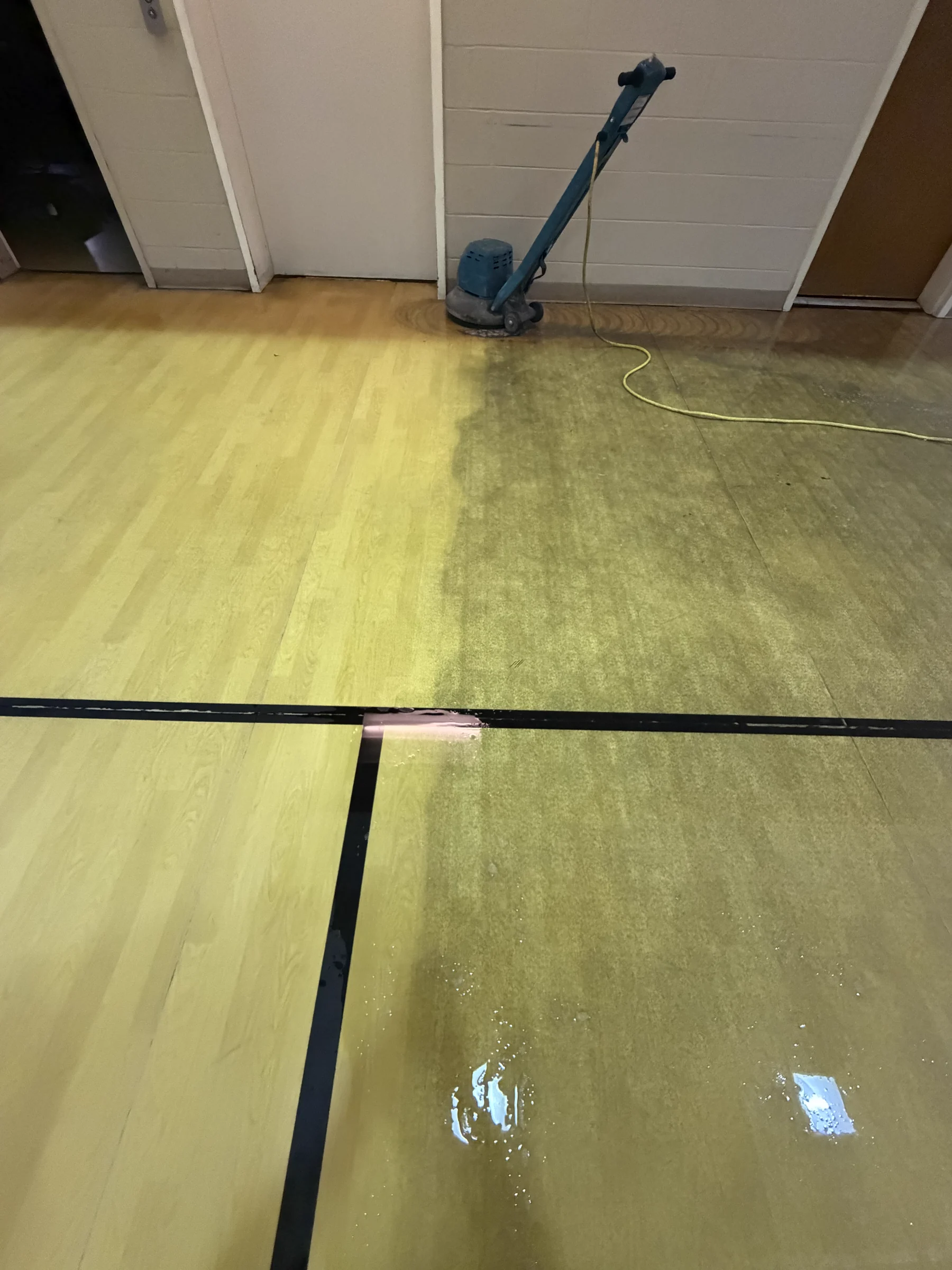
When Buffing Isn't the Right Fix
Buffing is a strong process for reviving a floor's surface shine, but it isn't a universal cure. A skilled flooring specialist working in Chester homes will tell you plainly when your floor needs something more than a buffing pad and finishing compound. This honesty separates a trustworthy tradesperson from someone chasing a quick job. Recommending sanding or recoating when that's genuinely required, rather than upselling an unnecessary buff, is what builds the kind of reputation that generates repeat calls and referrals across Chester's residential streets.
Deep gouges are one of the clearest disqualifiers. Buffing works on the finish layer, gently leveling minor scuffs and dulling caused by foot traffic or light furniture drag. It cannot fill or disguise a gouge that has cut through the finish and into the timber itself. Attempting to buff over such damage simply polishes around the defect, making it more visible rather than less. In these cases, a specialist will recommend spot sanding or a full sand-and-reseal to address the wood beneath.
Water damage and cupping present another situation where buffing simply cannot help. Chester's older properties, particularly those near the River Dee or in areas prone to damp, sometimes suffer from moisture ingress that causes boards to swell, cup, or crown. This is a structural and moisture-related issue, not a surface-level cosmetic one. A trained eye will recognize the telltale signs, slightly raised board edges, an uneven feel underfoot, or discoloration patterns that follow moisture lines, and will explain why buffing would be a waste of time and money until the underlying moisture problem is resolved and the floor has been properly sanded flat.
Discoloration, especially from rugs, pet stains, or UV exposure through south-facing windows common in many Chester conservatories and extensions, often penetrates beyond the finish and into the wood fibers themselves. Buffing only affects the topmost layer, so if the staining has soaked into the timber, no amount of pad work will lift it out. Sanding back to bare wood is usually the only real remedy.
Finally, floors that have never been sealed, common in some older Chester properties where the original finish has long worn away or was never properly applied, lack the protective layer that buffing relies upon to restore shine. Buffing an unsealed floor achieves very little because there is no finish to revive. This is where a specialist's honest assessment matters most: rather than performing a buff that yields disappointing results, they will recommend a full sanding and sealing process, so the floor receives the treatment it genuinely needs.
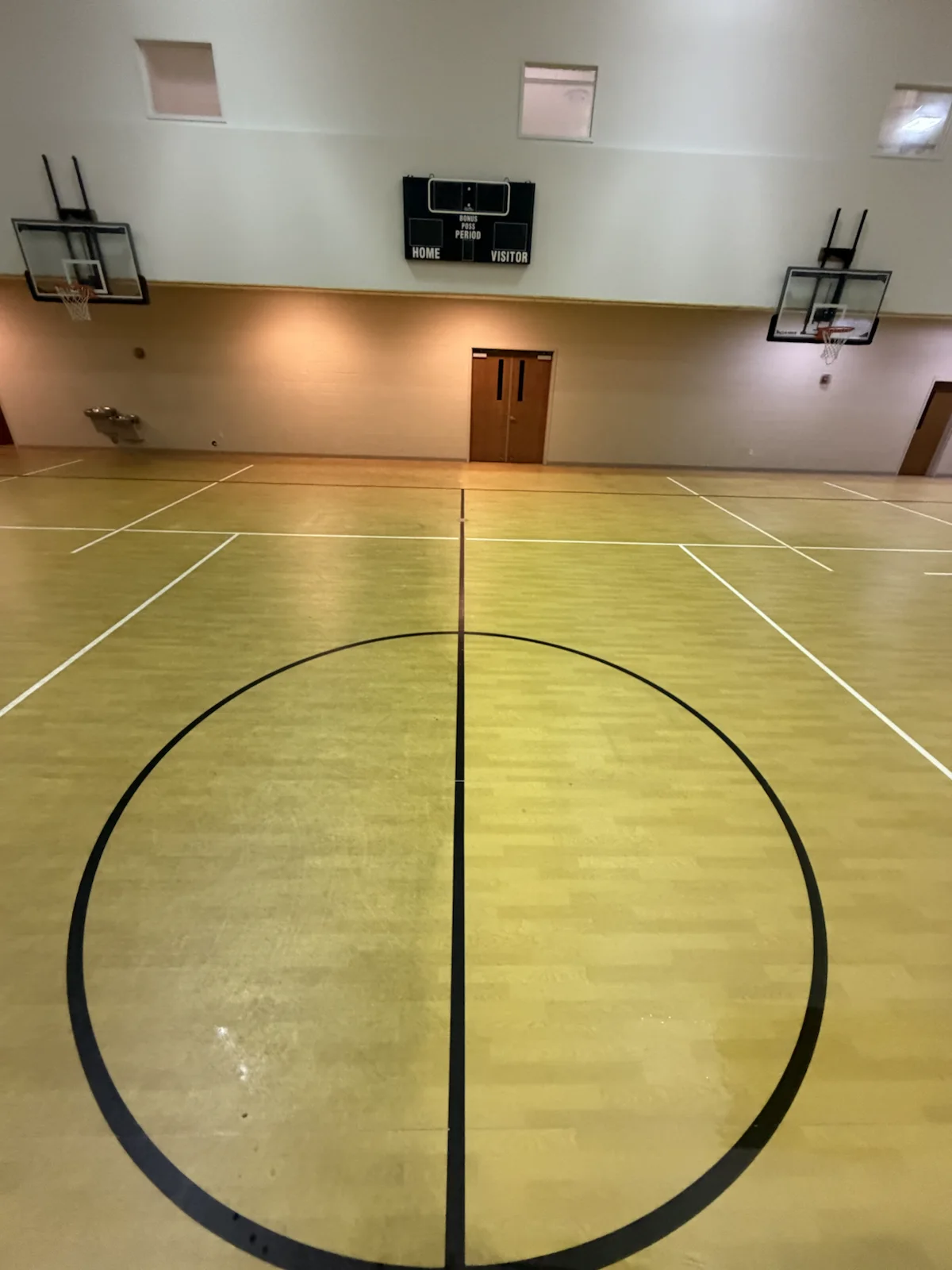
Floor Buffing vs. Refinishing: Choosing the Right Service
One of the most common sources of confusion for Chester homeowners is understanding which floor restoration service they need. Many local companies blur the lines between buffing, recoating, waxing, and full refinishing, often steering customers toward the most expensive option regardless of what their floors truly require. At its core, floor care exists on a spectrum, and knowing where your floors fall on that spectrum can save you hundreds, if not thousands, of dollars while still achieving beautiful results.
Floor buffing is light, non-invasive maintenance. It uses a rotary or orbital machine with a soft or medium pad to polish the existing finish, remove surface scuffs, and restore shine without removing any material from the wood or its coating. This is ideal for hardwood floors in Chester homes, whether in a Victorian terrace in the city center or a newer build in Boughton, that show minor dullness, light foot-traffic wear, or scattered scuff marks but still have an intact protective finish underneath.
Recoating (sometimes called screen and recoat) goes one step further. A technician lightly abrades the existing finish to create a bonding surface, then applies a fresh top coat of polyurethane or similar sealant. This is the right call when a floor shows moderate wear, minor scratches, or graying but the wood itself hasn't been exposed or damaged. It's a fraction of the cost of a full refinish and can extend a floor's life by 5-10 years.
Full refinishing is the most invasive and expensive option, involving heavy sanding down to bare wood to remove deep scratches, water stains, discoloration, or an old finish entirely, followed by staining (if desired) and multiple coats of new sealant. This is genuinely necessary only when the wood is exposed, deeply gouged, or the existing finish has failed across large areas, common in older Chester properties with original floors that haven't been touched in decades.
Waxing, meanwhile, is a separate maintenance track typically used on unfinished or oil-finished floors rather than polyurethane-sealed ones, and applying wax to the wrong floor type can create problems for future refinishing.
A reputable Chester floor care provider should assess your floor's finish type, wear pattern, and history before recommending a service, not simply upsell you into the priciest package. In our experience, roughly 60-70% of service calls in local homes only require buffing or recoating, not a full sand-down. Choosing the right service isn't just about saving money; it's about preserving as much of your original hardwood as possible, since each full refinish removes a thin layer of wood that can only be repeated a limited number of times before the floor needs replacing entirely.
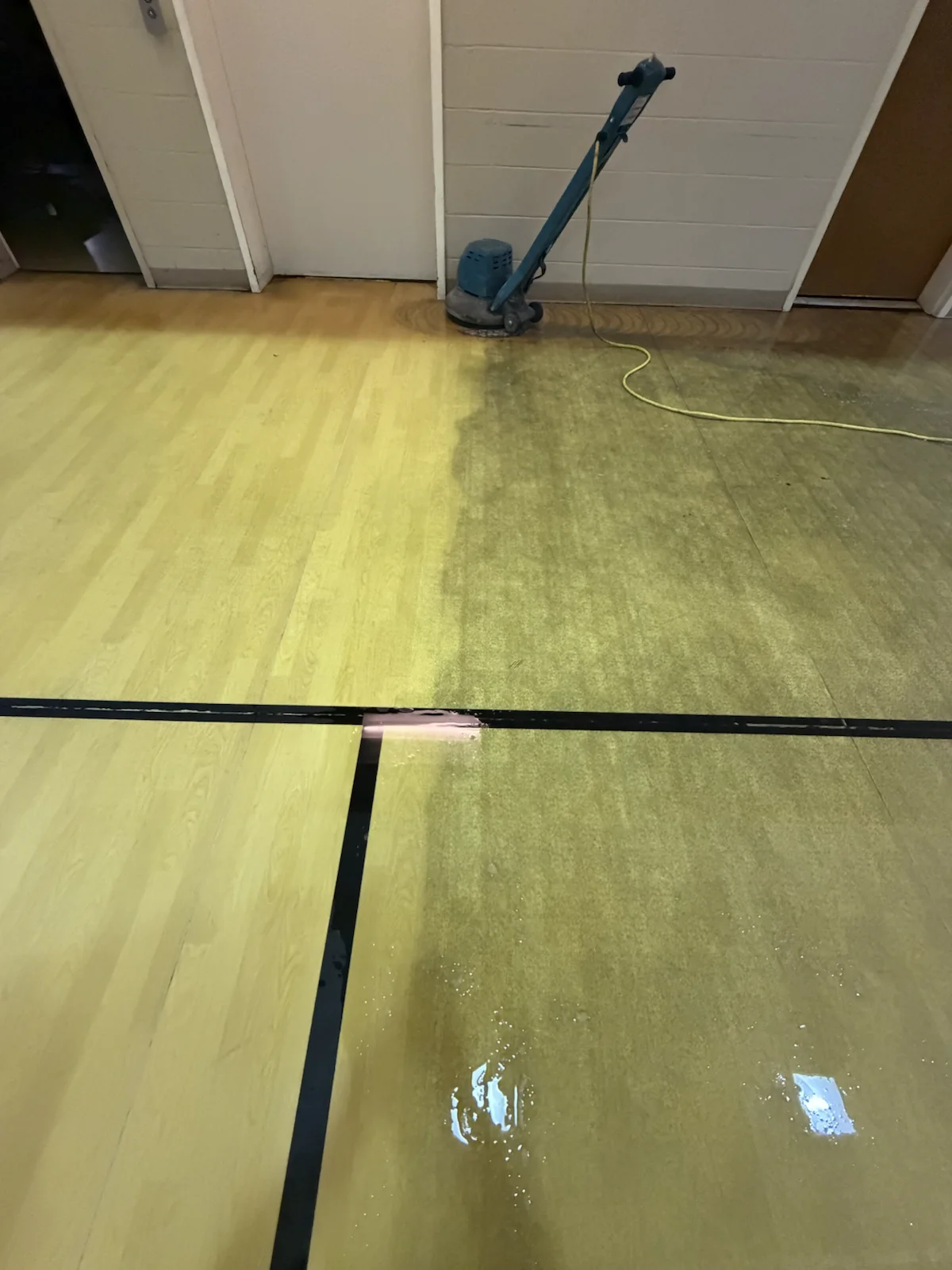
What to Expect During a Floor Buffing Visit in Chester
Here's what happens once you call us. First, we ask for a few photos. A wide shot of the room, a close-up of any dull spots or scratches. That's usually enough for us to tell you what's going on and give you a fair idea of cost before we ever load the truck.
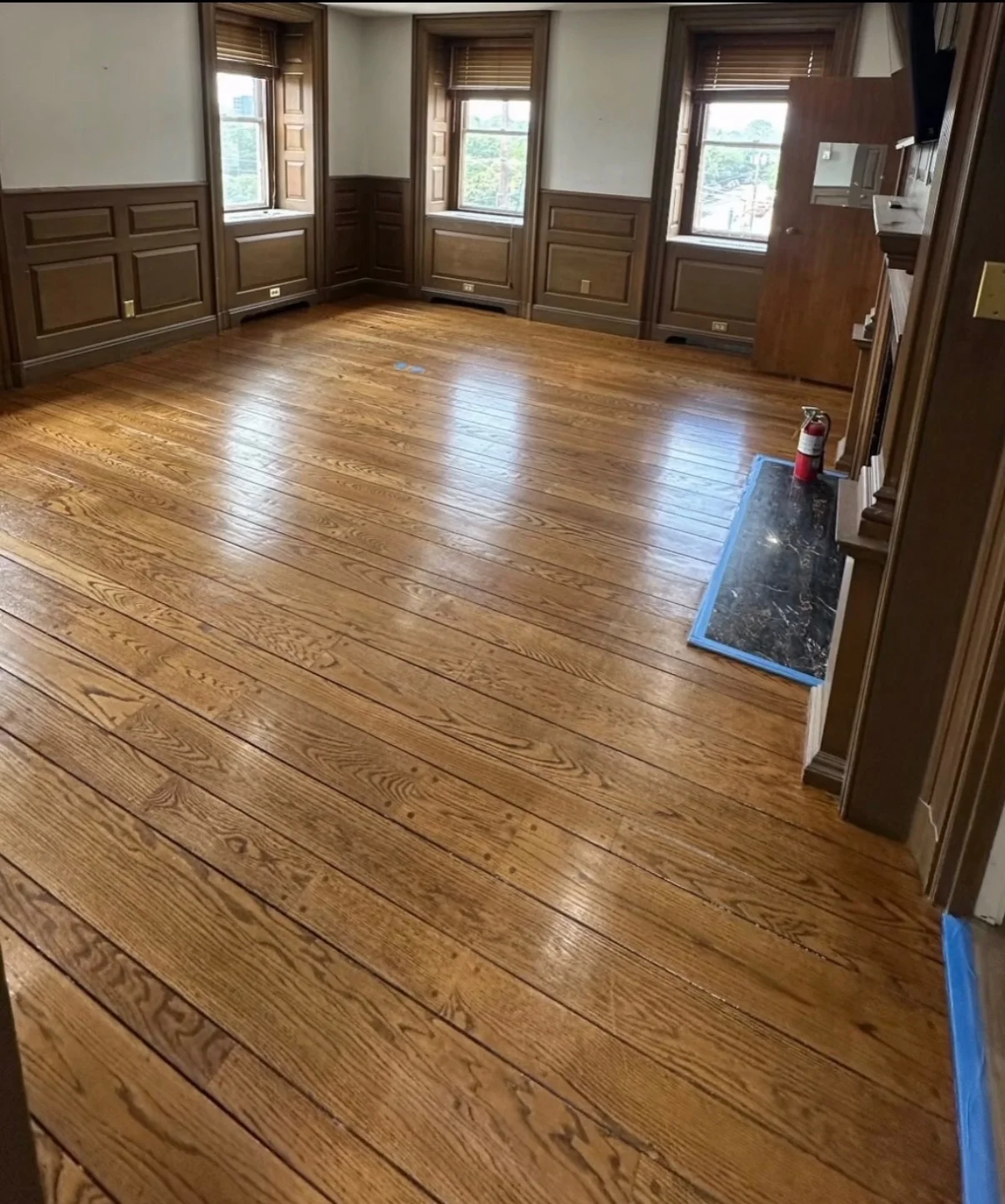
If your floor needs an in-person look, we'll come out and walk the room with you. We check the finish first. Is it worn through to bare wood, or just cloudy from foot traffic and old cleaning products? That answer changes everything. A lot of homes in Chester still have original hardwood under decades of wax buildup, and buffing brings that shine back without sanding down the wood itself.
On the day of the job, we move furniture that's in the way, buff the finish with the right pad and compound for your wood type, and clean up the dust as we go. No harsh chemical smell lingering for days.
A typical visit runs through a few clear steps:
- Walk-through and finish check
- Furniture and rug removal from the work area
- Buffing pass with the correct grit for your floor's condition
- Spot check for missed dull areas or deeper scratches
- Final walk-through with you before we leave
Most rooms take a few hours, not a few days. That surprises people. We're licensed and insured, and every job is backed by our satisfaction guarantee, so you're not left wondering if it'll hold up. You'll see the shine come back right in front of you, and that's usually the moment homeowners realize they didn't need a replacement after all.
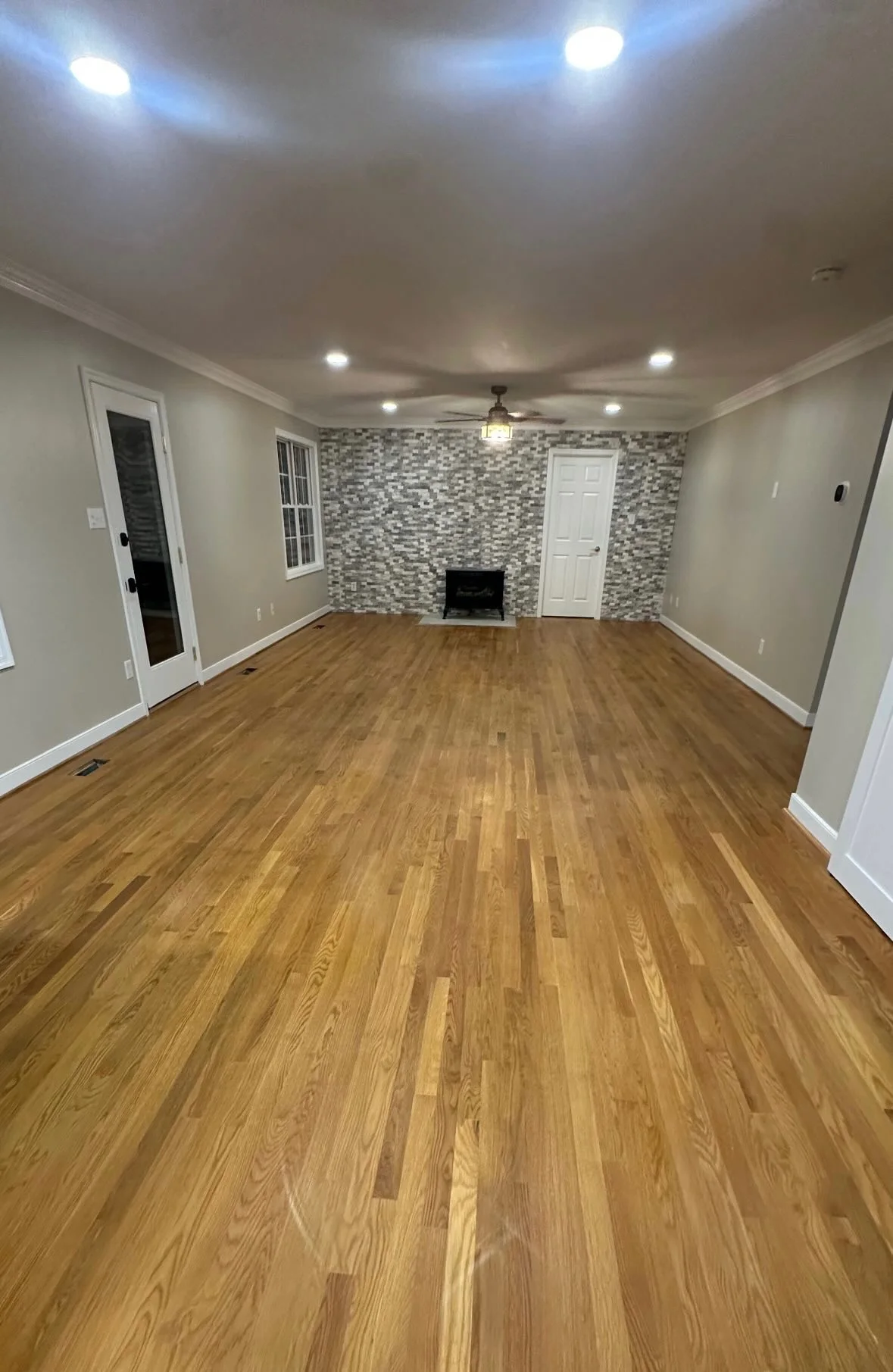
How Floor Buffing Pricing Works
One of the most common questions Chester homeowners and business owners ask is simply, "What will this cost?" The honest answer is that floor buffing pricing is never one-size-fits-all, and any company quoting a flat rate over the phone without seeing your floor is likely guessing. Reputable floor care providers calculate pricing based on several interconnected factors, and understanding this logic helps you evaluate quotes with confidence rather than just comparing bottom-line numbers.
Square footage is the starting point for nearly every estimate, since larger areas require more time, more product, and more equipment passes. But square footage alone doesn't tell the whole story. The type of flooring matters enormously - hardwood, VCT tile, terrazzo, polished concrete, and engineered wood all respond differently to buffing pads, speeds, and compounds. A dense commercial-grade tile in a Chester retail space behaves nothing like a softer residential hardwood, and pricing reflects the specialized approach each material demands.
Current condition is often the biggest variable of all. A floor with light dulling and minor scuffing requires far less labor than one with deep scratches, embedded grit, wax buildup, or water damage. Technicians need to assess whether the finish is simply worn or whether it's failing altogether, because heavily degraded floors sometimes require stripping and refinishing rather than a straightforward buff - a different scope of work and price point. This is why an accurate quote depends on seeing the floor, whether in person or through clear, well-lit photos.
Finally, many jobs call for a protective recoat after buffing - a fresh layer of finish that locks in the shine and extends the time before the next service is needed. Not every floor needs this step, and adding it changes both the labor and material costs. A transparent provider will explain clearly whether a recoat is recommended for your specific floor and why, rather than upselling it automatically.
Because so many variables are at play, the industry standard - and the most trustworthy approach - is an on-site visit or a detailed photo-based estimate, not a generic flat rate. Before hiring anyone in the Chester area, ask a few key questions: What flooring type and condition were factored into this quote? Does the price include a protective recoat, and is one recommended for my floor? Will the estimate change once you see the space in person? Is the quote itemized so I understand what I'm paying for? A company willing to answer these plainly, without pressure tactics or vague reassurances, is one demonstrating the low-pressure pricing approach that reflects genuine expertise - and that's exactly the kind of provider worth trusting with your floors.
Measured steps.
A considered result.
- Share the surface
Send a full view and a close-up of the concern.
- Confirm the material
Identify what it is before choosing a method.
- Set the scope
Separate cleaning, finish work, and repair needs.
- Refine with care
Use a process compatible with the existing surface.
- Review the finish
Inspect the result and discuss ongoing care.
Clarity before
the visit.
How do I know if my floor needs buffing or a full refinish?
You can usually tell by feel and by how the dullness shows up. If your fingernail catches only light surface scratches and the shine loss is spread across the whole room, buffing will likely bring it back. But if you see deep gouges, cupped boards, or stains soaked into the wood grain, that points to refinishing instead. A quick in-home look settles it fast, since photos alone can miss subtle warning signs.
How long does a floor buffing appointment take?
Most floor buffing jobs in a single Chester room take a few hours from setup to final polish. Larger open-plan spaces or homes with multiple rooms needing attention take longer, since each area gets checked individually before buffing starts. We walk the space first, flag any spots that need more than surface work, then move room to room so you're never left without a usable floor for long.
Can buffing fix water stains or dark rings on hardwood floors?
Usually not, if the staining has soaked into the wood fibers rather than sitting on top of the finish. This is common in older Chester homes near the River Dee, where moisture exposure over the years can push discoloration below the surface. Buffing only polishes the finish layer, so deep stains need sanding to remove. We'll tell you honestly during the visit if that's the case, rather than buffing over a problem that won't actually go away.
Will buffing work on floors that have never been sealed?
No, and this trips up a lot of homeowners in Chester's older properties where the original finish wore away long ago. Buffing polishes an existing finish layer, so if there's nothing left to buff, the process won't restore shine. In these cases we recommend a full sanding and sealing instead. Skipping straight to buffing on an unsealed floor just wastes your time and won't give you the results you're hoping for.
Do you come to homes in Chester Village and Boughton for floor buffing?
Yes, we work throughout Chester, including Chester Village, Boughton, and the Ashton Creek area. Older homes in these neighborhoods often have original hardwood that's seen decades of humidity swings from Central Virginia summers, which wears finish unevenly from room to room. We check each space on arrival so the plan matches what your specific floor actually needs, not a one-size-fits-all approach.
What should I do to prepare my home before a floor buffing visit?
Clear the room of furniture, rugs, and small items so we have full access to the floor. Sweep or vacuum beforehand if you can, since loose dirt and grit can affect how the buffing pad glides across the surface. We'll also ask about pets and foot traffic patterns, since keeping the area clear for a few hours after buffing gives the finish time to settle properly.