
Practical surface guide
Wax vs Polish for Hardwood Floors: Which Is Better? A Chester Homeowner's Guide
Wax vs polish for hardwood floors: which is better for your home? Chester pros share field-tested insight on both methods. Learn more today.
Google Reviews
Scroll to read all 9 reviews →
“Great work and even better customer service. Very professional, easy to work with, and you can tell they take pride in what they do. Definitely recommend Precision Floor & Surface Restoration if you need your floors or countertops brought back to life.”★★★★★
“Absolutely amazing work! From start to finish, everything was handled professionally and with great attention to detail. They took the time to make sure everything was done right, and the results speak for themselves. The floors and surfaces came out looking incredible, and you can tell they genuinely take pride in their work. I couldn’t be happier with the finished product and would definitely recommend them to anyone looking for quality work and great service. Five stars all the way! ⭐⭐⭐⭐⭐”★★★★★
“Precision Floor & Surface Restoration exceeded my expectations! Professional, punctual, and detail-oriented from start to finish. My floors look amazing, and the quality of work was outstanding. Highly recommend to anyone looking for top-notch floor and surface restoration services.”★★★★★
“Removed stains that previous cleaning services could not. Made the impossible - possible!”★★★★★
“Great quality work! Very professional with communication!!”★★★★★
“Clean and very professional. Highly recommend”★★★★★
“I highly recommend his floor cleaning services! He’s reliable, professional, and does an excellent job. My floors looked amazing, and I couldn’t be happier with the results.”★★★★★ ★★★★★
What Wax and Polish Do to a Hardwood Floor
Wax and polish fix different issues. Wax leaves a soft film on top of the wood. It fills tiny scratches and gives older hardwood that warm, muted glow.
Polish works another way. Most modern polish products clean the surface, bring back shine, and leave a thin protective layer that grips tighter than wax ever did. They are not really competing products.
Here's the part most homeowners in Chester don't realize until we walk through their door.
Wax was the go-to finish for decades on older hardwood, especially in the historic homes we see around Chester with original oak and pine flooring. Back then, wax made sense. It was easy to reapply and gave floors a rich look. But wax has a habit of yellowing over time. It grabs dust and grit, too. It can get slick when it builds up in layers. We've walked into homes where five or six coats of old wax had made the floor almost gummy in the busy spots.
Polish is built for floors with a factory finish, like polyurethane. It does not soak into the wood. It sits on top of the existing finish and brings back shine without adding wax buildup. So if your floor already has a modern finish, polish usually makes more sense and lasts longer between treatments.
Quick comparison:
- Wax: for older, unfinished or oil-finished hardwood; needs stripping before reapplication; can yellow and get slick
- Polish: for floors with a factory or polyurethane finish; cleans and adds shine; won't build up the same way
- Wax: harder to remove once it's layered on thick
- Polish: easier to maintain with regular hardwood floor maintenance and buffing
So which one is sitting on your floor right now? Most people can't tell by looking. Try this: put a few drops of mineral spirits on a hidden spot. If the finish goes soft or hazy, that's likely wax. If nothing happens, you're probably dealing with a polyurethane finish that needs polish, not wax.
We see this mistake all the time. Someone puts polish over an old waxed floor, and it streaks or won't dry right. The two products do not mix well. Once wax is on the wood, you usually need to strip it before any polish or recoating step will work the way it should.
This is exactly the kind of call we get from folks around Chester with a 1920s farmhouse floor that's gone cloudy, or a newer build with polyurethane that's just lost its shine. The fix is different for each one. If you're not sure what's on your floor, snap a photo and text it to us. It's faster than guessing, and it saves you from buying the wrong product at the hardware store.
How to Tell What's Already on Your Floor
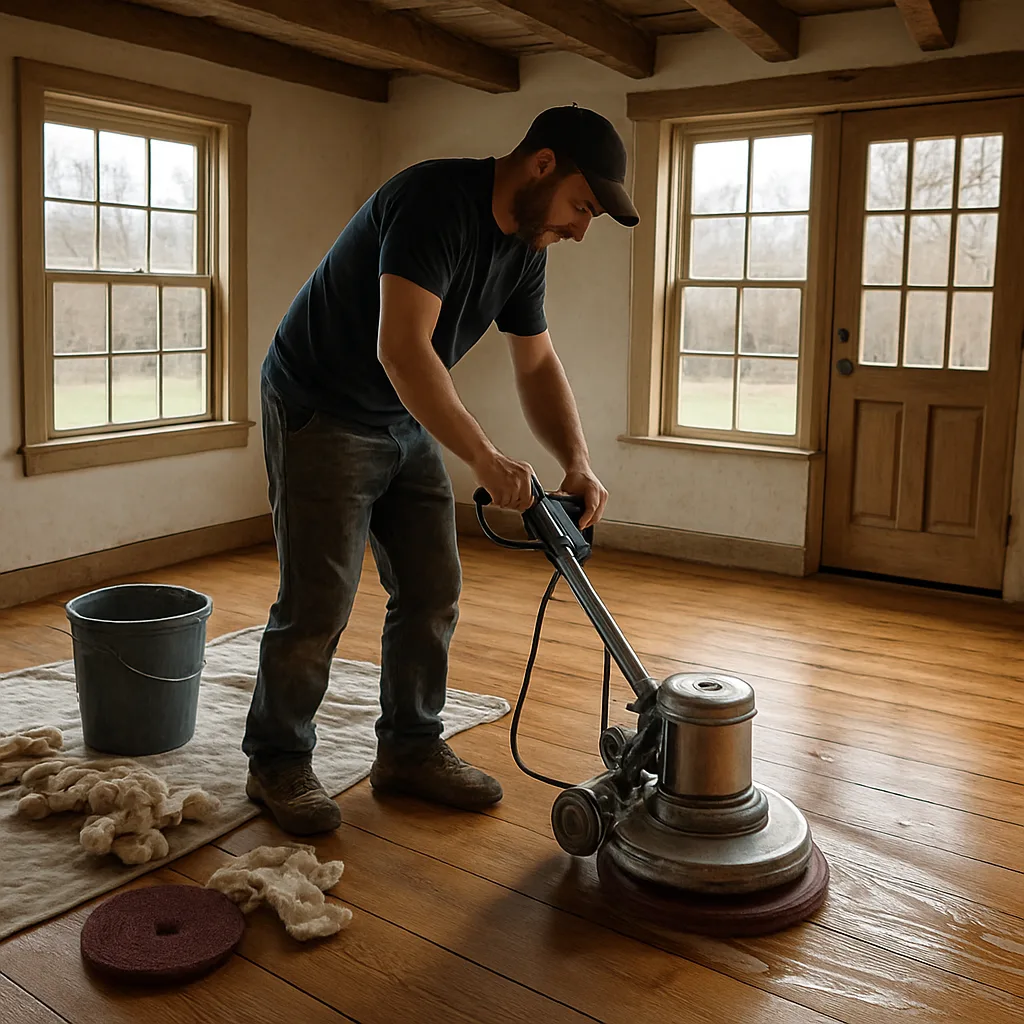
Before you choose between wax and polish, you need to know what's on your floor now. This trips up almost everyone in Chester. Old homes near downtown often have wax buildup from decades ago. Newer builds usually have a factory finish that just needs polishing. Guessing wrong here can cause real problems.
Here's why it matters so much. Wax and polish do not mix well. Polish products won't stick to a waxy surface. They'll bead up or turn cloudy. And if you try to wax over a polyurethane finish, you're just wasting product and time. So the first job isn't picking a method. It's figuring out what you're working with.
We use a simple water drop test on almost every first visit. It takes two minutes and tells you a lot.
- Clean a small section of the floor with a dry cloth, no cleaners.
- Drop a few drops of water onto the bare wood.
- Watch what happens over the next 60 seconds.
- If the water beads up and sits on top, you likely have a polyurethane or polish finish.
- If the water soaks in fast and darkens the wood, you're probably dealing with wax or an oil finish.
- Check a few spots, high traffic areas can wear differently than corners.
Simple test, real answer. Most homeowners are surprised by what they find.
Another sign to look for is that cloudy or hazy look near doorways and hallways. That haze is usually old wax that's picked up dirt over the years. We see this constantly in older Chester homes with original hardwood, the kind built before 1970. Wax was the standard finish back then, and a lot of it never got fully stripped when owners switched to modern products later.
Feel matters too. Run your hand across the floor in bare feet or socks. Does it feel slightly sticky or tacky, especially in humid weather? That's often a wax residue reacting to moisture in the air. Chester summers get humid, and wax finishes respond to that differently than polyurethane does.
Yellowing is another clue, but it's a tricky one. Some yellowing comes from old wax breaking down. Some comes from an aging polyurethane finish. The color alone won't tell you which one you've got. That's why the water test matters more than a visual check.
One more thing we check: scratch resistance. Lightly scratch a hidden spot, like under a rug edge, with a fingernail. Wax finishes scratch and dull more easily than a hard polyurethane topcoat. If your nail leaves a visible mark without much pressure, wax is a likely culprit.
Here's a real scenario. A homeowner near Chester called us about a hallway floor that looked dull no matter how much she cleaned it. Turned out three layers of old wax had built up over a factory finish underneath. Cleaning products alone weren't going to fix that. The wax had to come off first before anything else could work right.
If you're not sure what you're seeing after these checks, don't guess. Text us a few photos of the floor, close up and from a distance in natural light. We can usually tell what's on there and point you toward the right next step before you spend money on the wrong product.
Can You Polish Over a Waxed Floor? The Risks to Know
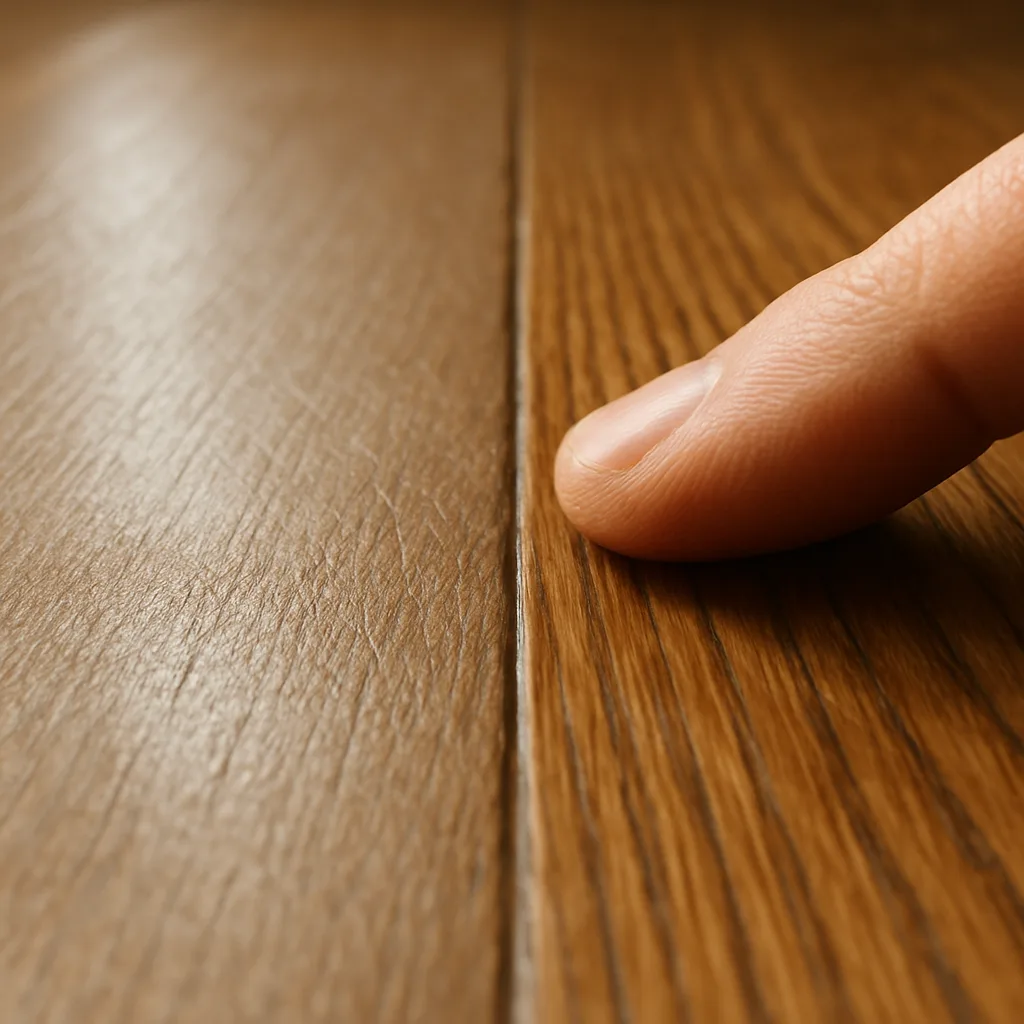
Short answer: no, not without stripping the wax first. This is the question we get more than almost any other when we're out on a job in Chester. A homeowner calls us, says their floor looks dull, and asks if we can just buff it up with a polish product. Once we check and find old wax underneath, the plan changes fast.
Here's the problem. Wax sits on top of the wood like a soft coating. Polish and modern finish products are designed to bond with bare wood or with a factory finish, not with wax. Layer polish over wax, and it won't stick right. You'll get a hazy, cloudy film that looks worse than what you started with. We've seen this happen in older Chester homes where a previous owner waxed the floors for years, then a new owner hired someone to "shine it up" without checking first.
And it's not just about looks. Polishing over wax can cause real damage down the line.
- The new product won't cure properly, so it stays tacky or streaky for weeks.
- Dirt and grit stick to the soft wax layer faster, so the floor gets dingy again in months, not years.
- If you ever need to sand or recoat later, the wax has to come out first, and it makes the wood prep harder.
- Some polish products react with old wax and create a sticky residue that's tough to remove without solvent stripping.
So what's the fix? You strip the wax completely, let the floor dry, then apply polish or a fresh coating. This is a real process, not a quick wipe-down. We use a chemical stripper made for wood, work it into the grain, and pull up every bit of old wax before we touch the floor with anything else. Skip this step and you're just hiding a problem, not solving it.
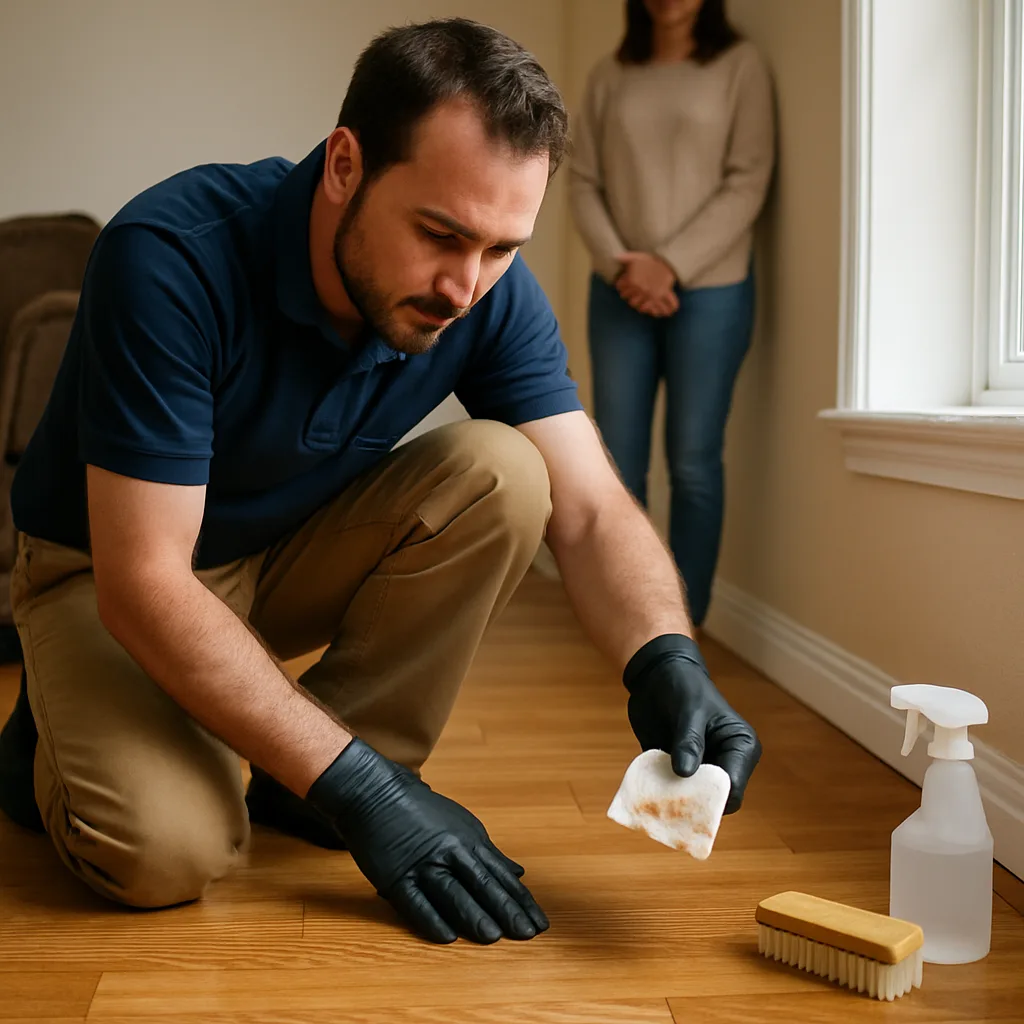
How do you know if your floor even has wax on it? Try this test: rub a small area with a soft cloth and a bit of mineral spirits in an out-of-the-way corner. If the cloth picks up a dull, waxy residue, you've got wax. If nothing comes up, you're likely dealing with a factory finish or an older polish coat instead. This matters because it changes which service your floor needs.
We've walked into homes near downtown Chester where three or four different products had been layered over the years, wax, then a spray polish, then more wax. Untangling that takes patience and the right stripping agent, not a quick buff. This is where firsthand experience really matters. We can usually tell what's on a floor within a few minutes of testing a small patch.
If you're not sure what's on your floors right now, don't guess and don't just start polishing. Text us a few photos of the floor, close up and from a few feet back, and we can usually tell you what you're dealing with before we ever step foot in your home. That's the whole point of our no-sanding wood floor restoration approach on our hardwood floor polishing service page. We figure out what's there before we recommend anything.
Measured steps.
A considered result.
- Share the surface
Send a full view and a close-up of the concern.
- Confirm the material
Identify what it is before choosing a method.
- Set the scope
Separate cleaning, finish work, and repair needs.
- Refine with care
Use a process compatible with the existing surface.
- Review the finish
Inspect the result and discuss ongoing care.
Clarity before
the visit.
How do I know if my hardwood floor has wax or old polish on it?
A simple water drop test tells you fast. Wipe a small spot clean, then drop a few drops of water on the bare wood. If it beads up, you likely have a polyurethane finish. If it soaks in and darkens the wood, you probably have wax. This quick check saves you from buying the wrong product and helps you plan the right care before calling in help for your floor.
Can I put polish on top of a waxed floor?
No, and this is the biggest mistake we see. Polish will not stick to a waxy surface. It beads up, turns cloudy, or won't dry right. Wax has to come off first before polish can work the way it should. Skipping this step wastes time and product. If you're not sure what's under your feet, a photo can help before you grab anything off the shelf.
When should I call a professional instead of trying this myself?
Call a professional once you spot buildup, yellowing, or a sticky feel that won't clean off with normal mopping. Store-bought polish or wax removers can react badly with old layers, especially when multiple coats have built up over years. A professional can test the finish, strip it safely, and set up a hardwood floor maintenance plan that keeps your floor looking right without repeating the same mistake twice.
Why do so many older homes in Chester still have wax on their floors?
Wax was the standard finish for decades, especially on original oak and pine floors found in older Chester homes. Many owners switched to modern polyurethane over the years but never fully stripped the old wax first. That leftover wax sits under newer coats and causes the cloudy, sticky look we see in hallways and doorways. It's one of the most common issues we find on first visits around Chester.
Does Chester's humidity make wax or polish perform differently?
Yes, humidity changes how wax feels underfoot. Chester summers bring higher moisture in the air, and wax finishes can turn slightly sticky or tacky in that weather. Polyurethane finishes handle humidity better since they sit as a sealed layer rather than an absorbent coating. If your floor feels tacky during warm, humid months, that's often a sign wax is present and may need attention soon.
What's the biggest misconception homeowners have about hardwood floor shine?
Most people think dullness always means the floor needs refinishing. Often it just means old wax has built up and picked up dirt over time. Cleaning alone won't fix that kind of haze. The wax needs to come off first. Sending a few clear photos can help figure out whether your floor needs a simple polish refresh or a deeper wax removal step.
Talk With Us About Your Wood Floor
Tell us what looks worn, which products have been used, and what you want to improve. Photos are helpful, but you can call first.