
Chester, Virginia · Precision Floor & Surface
Bring Back the Shine: Countertop Shine Restoration in Chester
Countertop shine restoration in Chester homes, restoring dull, worn surfaces to a clear, lasting shine. Contact us to schedule your service today.
Signs Your Countertop Has Lost Its Shine
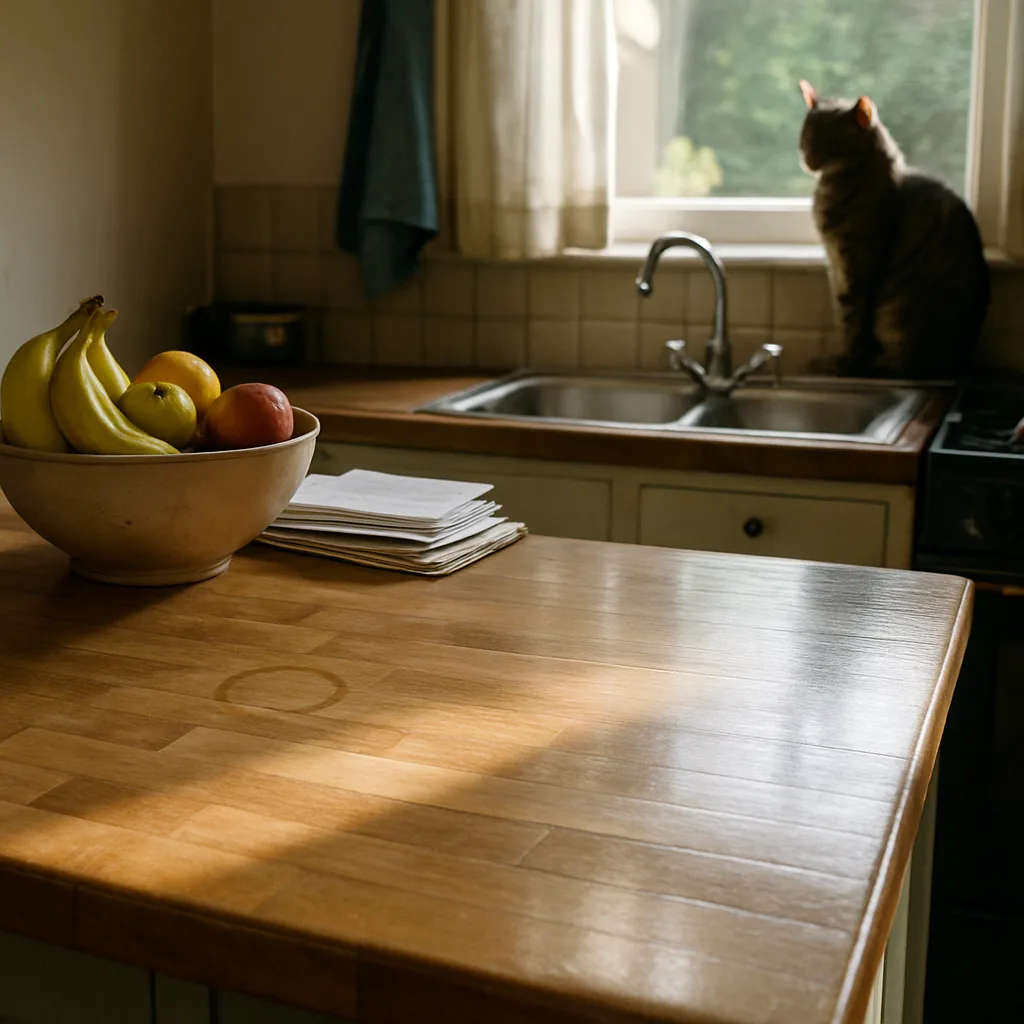
Run your hand across the counter near your sink. Feel that slightly rough patch? That's usually the first clue. Granite and marble start dull right where water sits the longest, and most homeowners don't notice until the whole slab looks flat under kitchen lights instead of reflecting them.
Etching is the big one we get called about. It happens when something acidic, lemon juice, vinegar, even a splash of wine, sits on marble or polished granite and eats into the surface. You'll see a dull gray ring or cloudy spot that won't wipe off no matter how hard you scrub. That's not dirt. That's the surface itself changed.
Then there's the haze that builds up over years of cleaning products, especially in homes near older Chester subdivisions built during the early 2000s boom, where builder-grade granite was standard and rarely sealed properly at install. Hard water leaves a chalky film too, and it looks a lot like the counter is just dirty, so folks scrub harder, and that makes the dullness worse.
A few things to check for:
- Dull or cloudy patches instead of a clear reflection
- Rough spots you can feel but not always see
- Water that no longer beads up and instead soaks in
- Faint rings or halos near sinks and stoves
- A gritty texture around the edges where cleaning happens most
Not sure if what you're seeing is etching or just buildup? That's a fair question. Homeowners think their stone is scratched when it's just lost its seal and needs polishing, not replacement.
Polishing and Sealing Are Two Different Steps
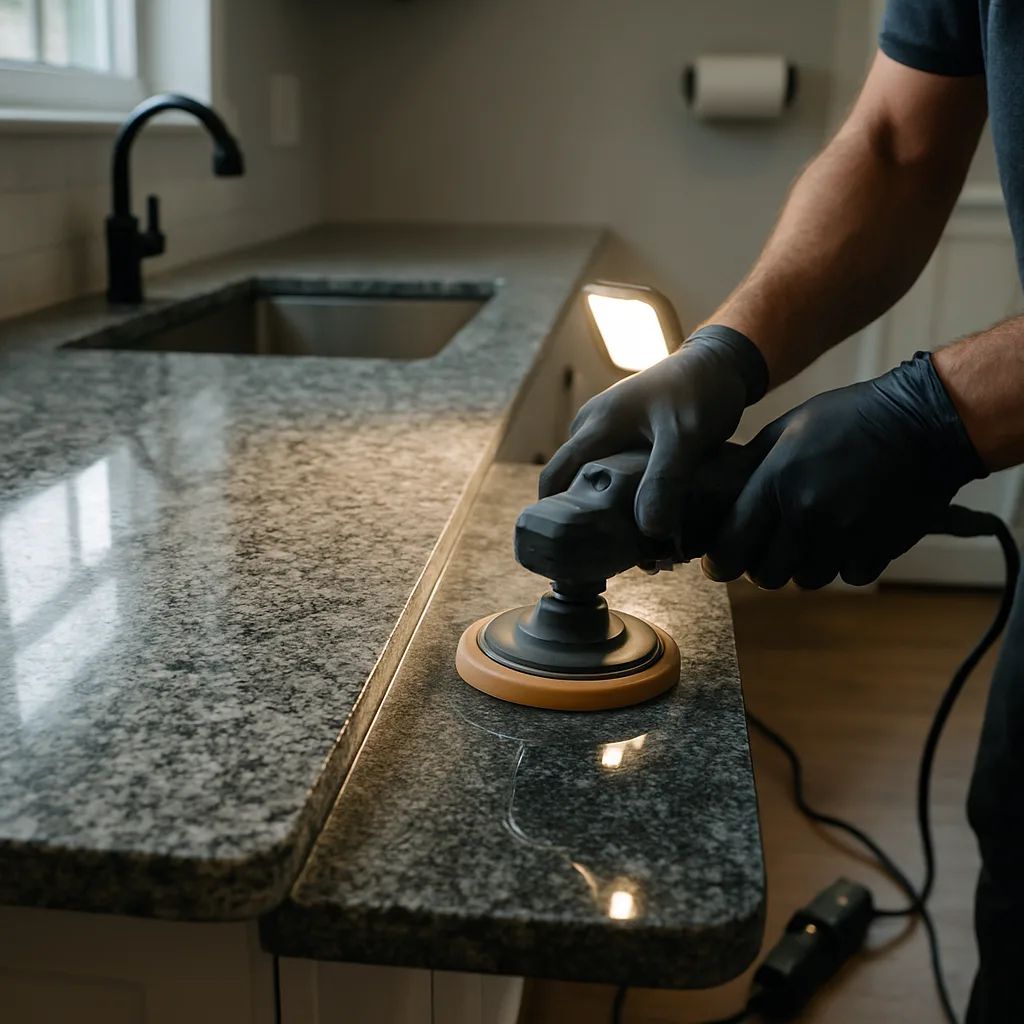
Here's something a lot of homeowners get mixed up. Countertop polishing brings back the shine. Countertop sealing protects that shine once it's there. They're not the same job, and skipping one usually means you're back to square one in a year.
Polishing works on the surface itself. We're using diamond pads and compounds to smooth out fine scratches, buff away dull spots, and bring the stone's natural reflection back to life. On granite countertop polishing jobs, this step alone can make a counter look brand new. Marble is trickier. Marble scratches and etches easier because it's softer and more reactive to acid.
Sealing is different. It doesn't touch the shine. It protects it. A sealer soaks into the stone's pores and blocks liquid, oil, and acid from getting underneath the surface. Without it, every lemon slice or wine spill has a shot at leaving a permanent mark. Granite is naturally more resistant, but marble and other softer stones need that barrier more than most people realize.
Some counters need both in the same visit. Others just need a fresh seal because the shine's fine, the protection just wore off. We see this every week. A countertop that looks dull but really just needs sealing, not a full polish. That's why we ask for a photo first. It tells us which step, or both, your counter needs, so you're not paying for work it doesn't need.
When Polishing Won't Fix the Problem
Here's the honest part. Polishing brings back shine on the surface. It doesn't fix what's happening underneath. If your marble or granite has deep pitting, a crack that runs through the slab, or a chip you can catch your fingernail on, buffing won't touch it. That kind of damage needs a repair step first, sometimes a fill, sometimes something more involved than what shine restoration covers.
Etching is the one we get asked about most. A ring from a wine glass on a marble countertop looks like a stain, but it's the acid eating into the stone's surface. Light etching responds well to polishing and honing. Deep etching that's gone through several layers of the stone? That's a different conversation.
Water damage is another one to watch for, especially in older Chester homes near the James River where humidity swings hard between seasons. If a counter has been soaking up moisture around a sink edge for months, you might see dark discoloration or a soft, chalky texture that won't polish out. That's not a shine problem anymore. That's a sealing and moisture issue underneath the surface.
So how do you know which one you've got? Ask yourself if the damage is flat and shallow, or if you can feel it with your finger. Flat and shallow usually means restoration will work great. Deep grooves, structural cracks, or missing chunks of stone mean you need an honest conversation before anyone touches a buffer.
We'd rather tell you upfront if polishing isn't the right fix than take the job and hand back a counter that still bothers you.
What Happens During Countertop Shine Restoration in Chester
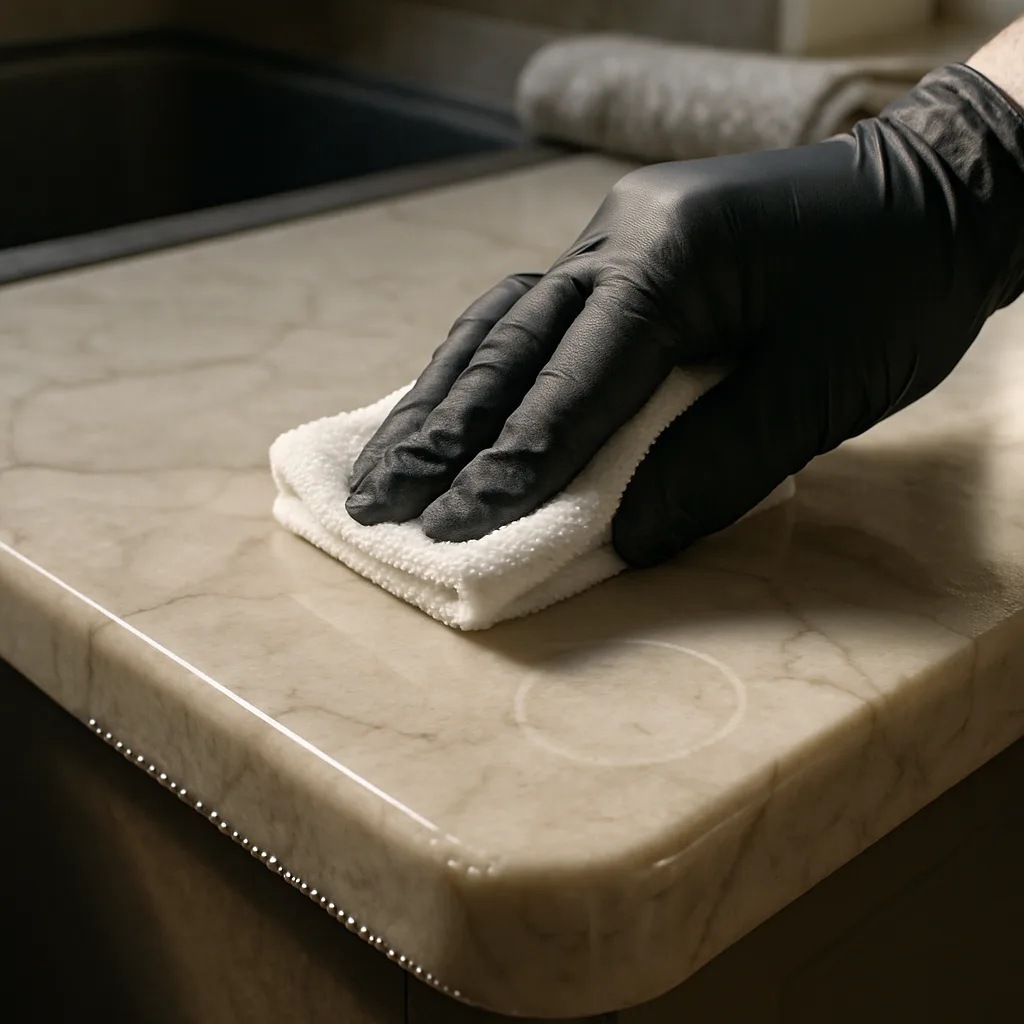
Here's what happens once we're standing at your counter with a diagnostic light and a test spot picked out. First, we look. Granite, marble, and quartz all wear differently, and the fix depends on what we're dealing with. Marble scratches and etches from lemon juice, wine, even tomato sauce. The acid eats into the calcium in the stone. Granite usually just loses its sheen from years of cleaner buildup and micro scratching from knives and abrasive sponges.
We start with a test area, usually a back corner or under the sink lip where nobody will notice if something looks slightly different for a minute. This tells us how the stone responds before we touch the whole counter.
- Deep clean the surface to strip old wax, soap film, and cooking oil residue that's built up in the pores
- Diagnose etching depth and scratch pattern under raking light
- Polish in stages, working through progressively finer compounds until the shine comes back evenly
- Buff the full surface so there's no patchy or cloudy between the repaired spot and the rest of the counter
- Seal the stone so it resists future staining and etching
That sealing step matters more than people think. An unsealed counter soaks up spills like a sponge, and every wine glass ring becomes a permanent shadow. Our IICRC certification in stone care means which sealer works with which stone. Marble and granite don't take the same product the same way.
Most jobs run a few hours, sometimes longer if the etching is deep or the counter's been neglected a while. We don't rush a polish job just to move to the next one. And we won't seal over a surface that's still holding moisture or residue underneath - that traps problems instead of fixing them.
Protecting the Shine After Restoration
Here's the truth nobody likes to hear: a fresh polish isn't permanent. Countertop shine restoration brings the surface back, but what you do in the weeks after decides how long that shine sticks around.
Sealant is your first line of defense. Granite, marble, and travertine are all porous to some degree, granite less so, marble and travertine more. Once we've polished the surface, we apply a sealer that fills those tiny pores so liquids bead up instead of soaking in. Chester's humid summers work against unsealed stone. Moisture gets pulled into the pores and can loosen the shine faster than you'd expect. That's why we recommend resealing on a schedule instead of waiting until you notice a problem.
Day to day care matters just as much. Wipe up spills fast, especially anything acidic like wine, citrus, or tomato sauce. Those etch marble almost on contact. Use a pH neutral cleaner, not the all purpose spray under your sink. And skip the vinegar and lemon "natural cleaner" trend. We see etched marble from that mistake constantly.
- Wipe spills within a few minutes, don't let them sit overnight
- Use cutting boards and trivets, even on sealed granite
- Clean with a stone-safe, pH neutral product only
- Avoid bleach, ammonia, and vinegar based cleaners
Some homeowners ask if they can reseal it themselves between our visits. You can, but the product matters. Drugstore sealers often don't penetrate deep enough for real protection. If your countertop is starting to look dull again after a year or so, that's usually your cue. Not a disaster, just a sign it's time for another look.
Common questions
Answers before the visit.
How do I know if my countertop needs polishing or sealing?
The easiest way is to send us a photo before we book your visit. Polishing fixes the shine itself, buffing out dull spots and light scratches. Sealing protects that shine once it's there, blocking water and acid from soaking into the stone. Many Chester homeowners think their counter needs a full polish when it actually just needs a fresh seal. A quick photo tells us which step your counter actually needs.
What happens during a countertop shine restoration visit?
We start with a small test spot, usually near the sink or under a corner, before touching the whole counter. This shows us how your stone responds to the polishing compounds. From there, we deep clean the surface, polish in stages with progressively finer pads, then buff and seal so the whole counter matches evenly. Most visits run through this same process whether you have granite, marble, or quartz, since each stone wears a little differently.
Can a wine or lemon juice stain actually be fixed?
Yes, in most cases, if the etching is shallow. Acidic spills like wine, vinegar, or lemon juice eat into the calcium in marble and polished granite, leaving a dull gray ring instead of a stain you can wipe away. Light etching responds well to polishing and honing. If the ring goes deep into several layers of the stone, that's a different repair and we'll tell you upfront before touching a buffer.
Why do granite counters in older Chester homes lose their shine faster?
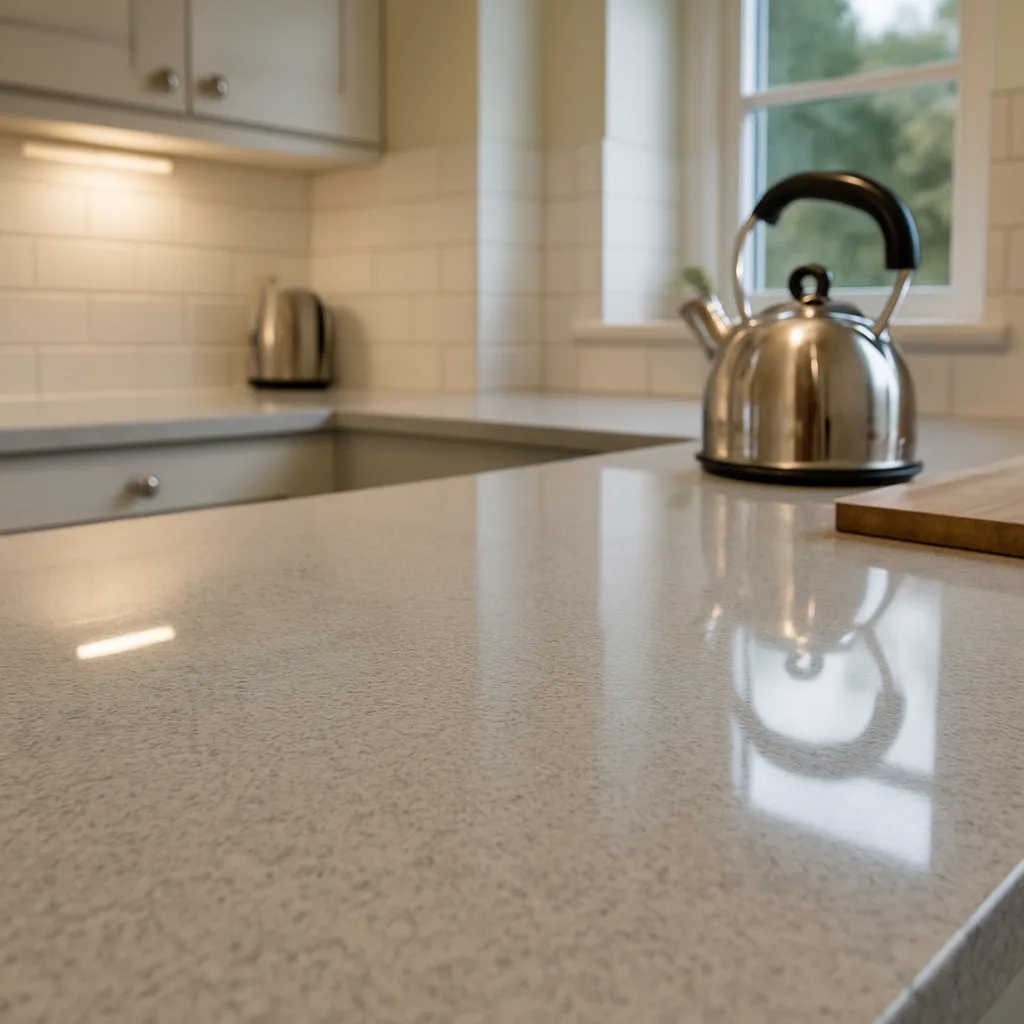
It usually comes down to how the stone was sealed at install. Homes in Chester subdivisions built during the early 2000s boom often got builder-grade granite that wasn't properly sealed from day one. Combine that with years of everyday cleaners and hard water, and you get a chalky haze that looks like dirt but is actually a worn-out seal. Once we polish and reseal it, that shine comes back and holds much longer.
How do you decide if it's worth scheduling a restoration visit or if the counter needs a deeper repair?
We ask you to check whether the damage is flat and shallow or something you can feel with your finger. Flat, shallow dullness or light etching almost always responds well to shine restoration. Deep pitting, a running crack, or a chip you can catch a fingernail on needs a repair step first. We'd rather have that honest conversation on the phone before your visit than start a job that won't solve the real problem.
Start with a photo